Team Velocity Unifies Auto Retail, Tackling Digital Fragmentation
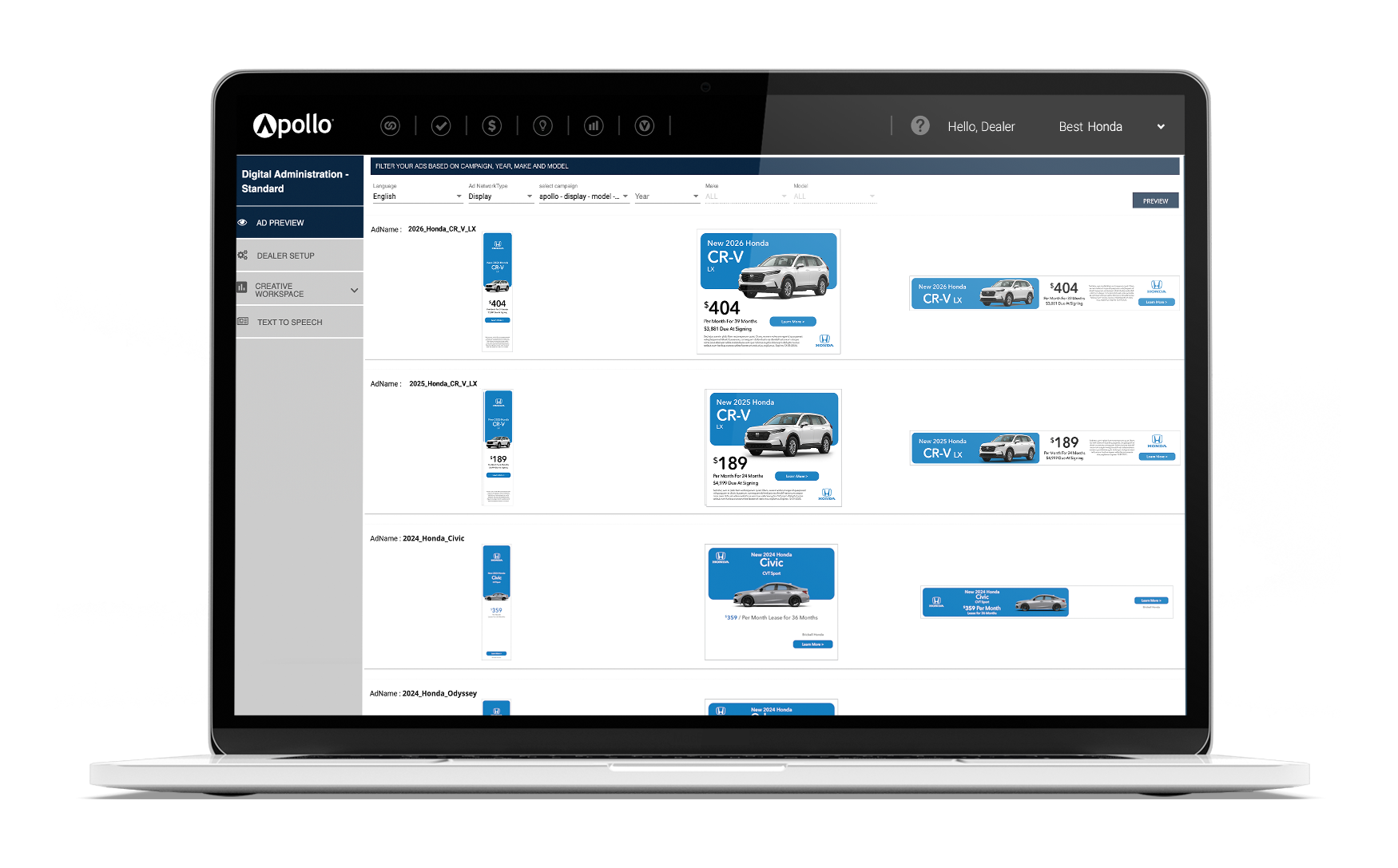
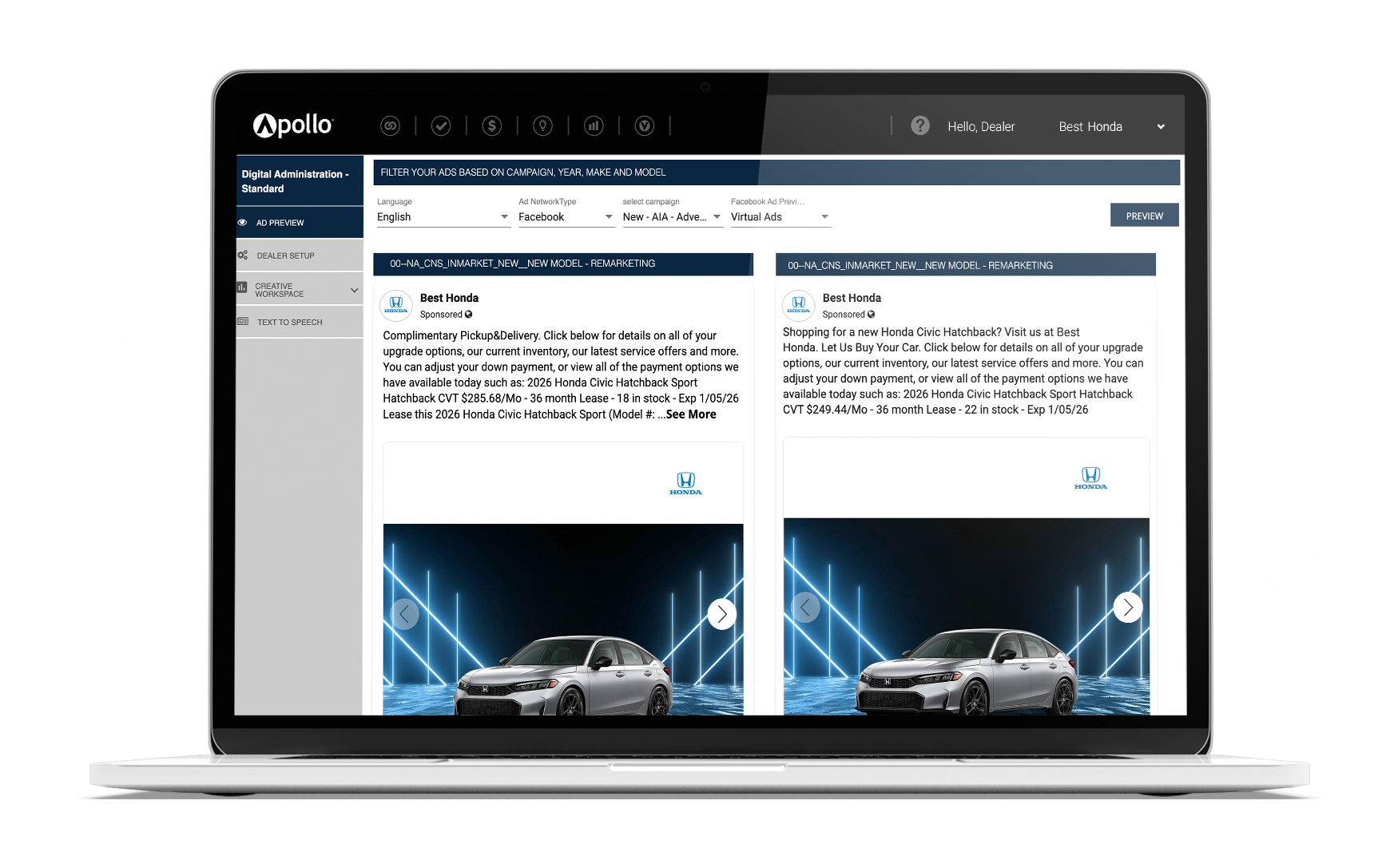
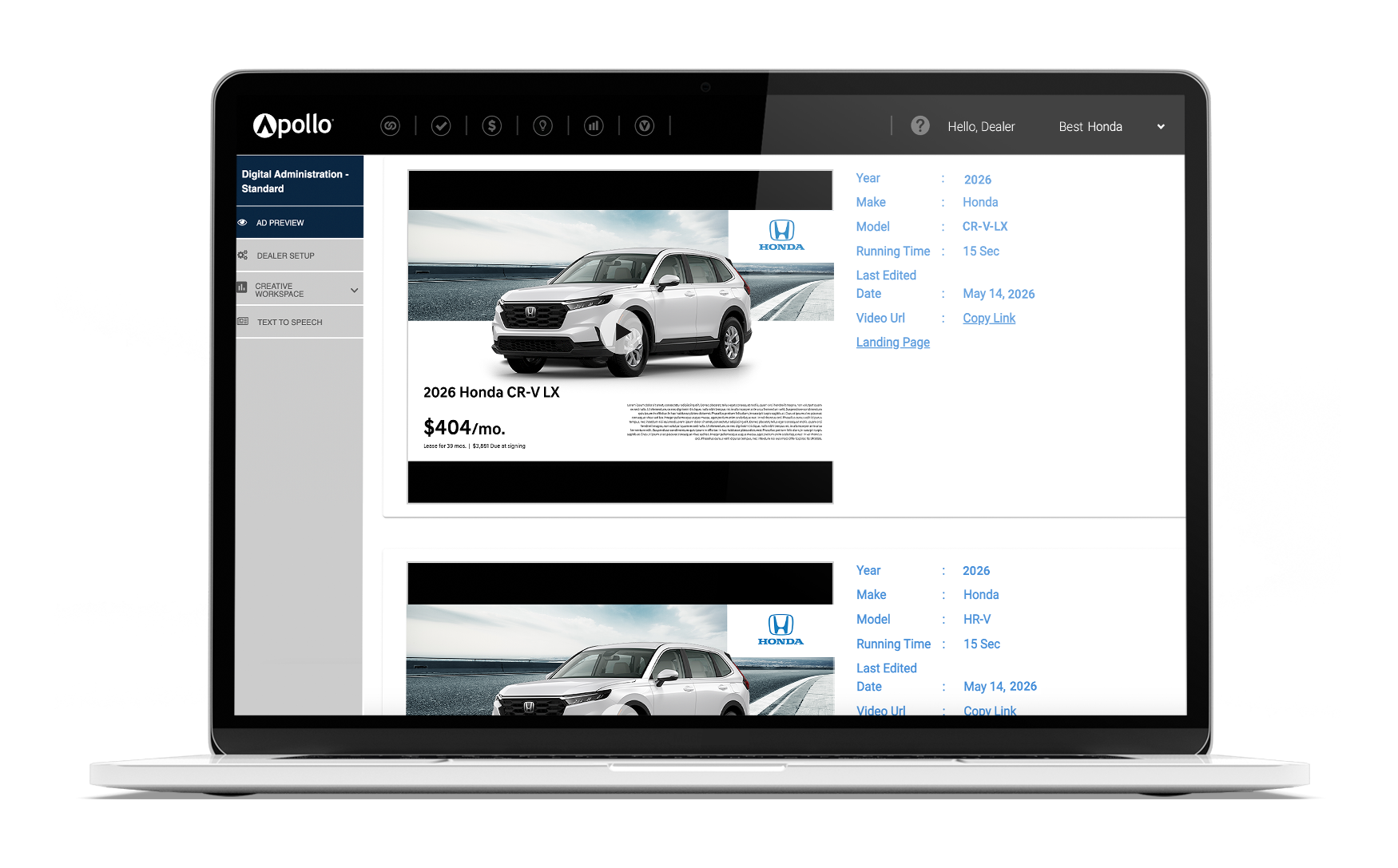
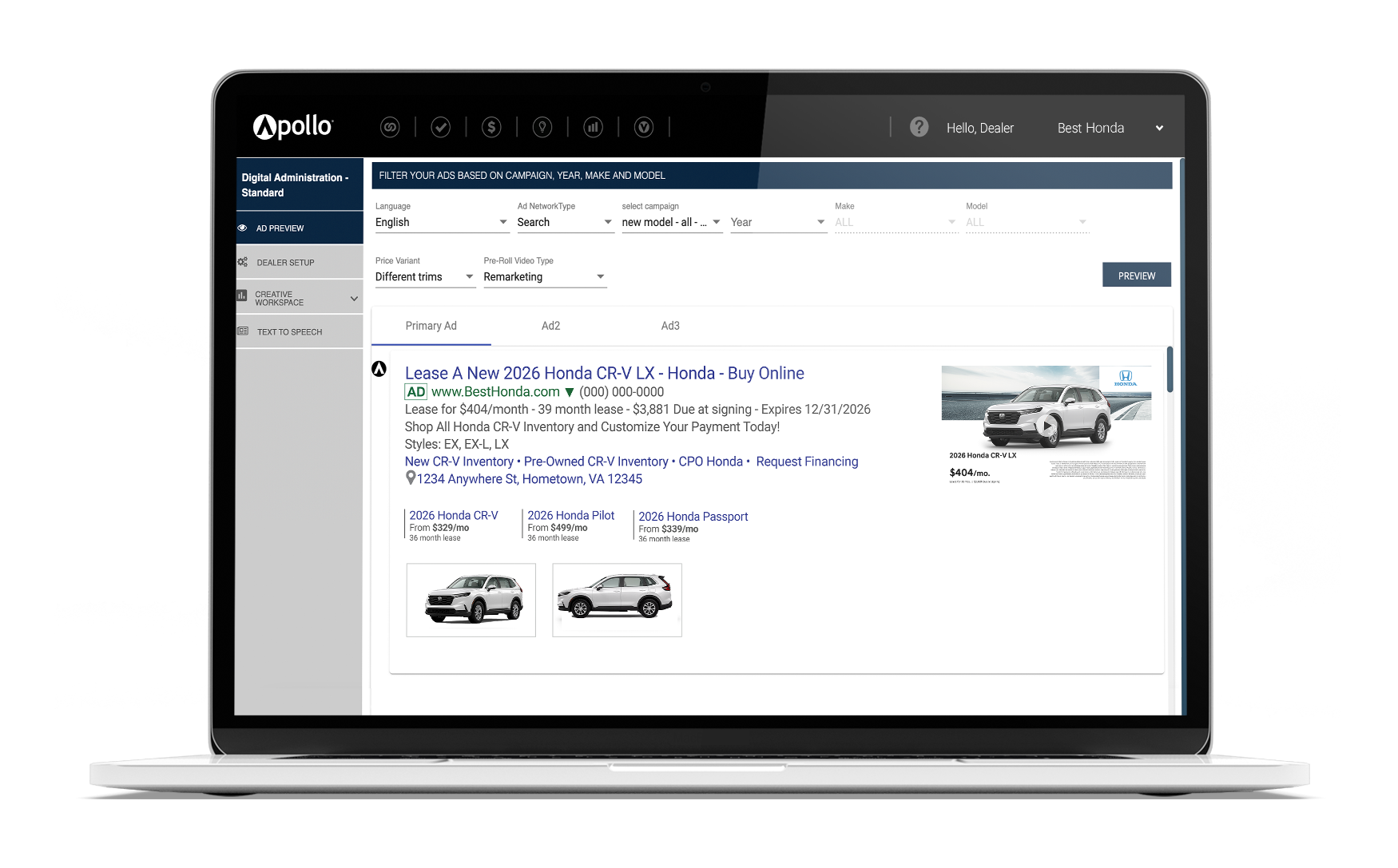
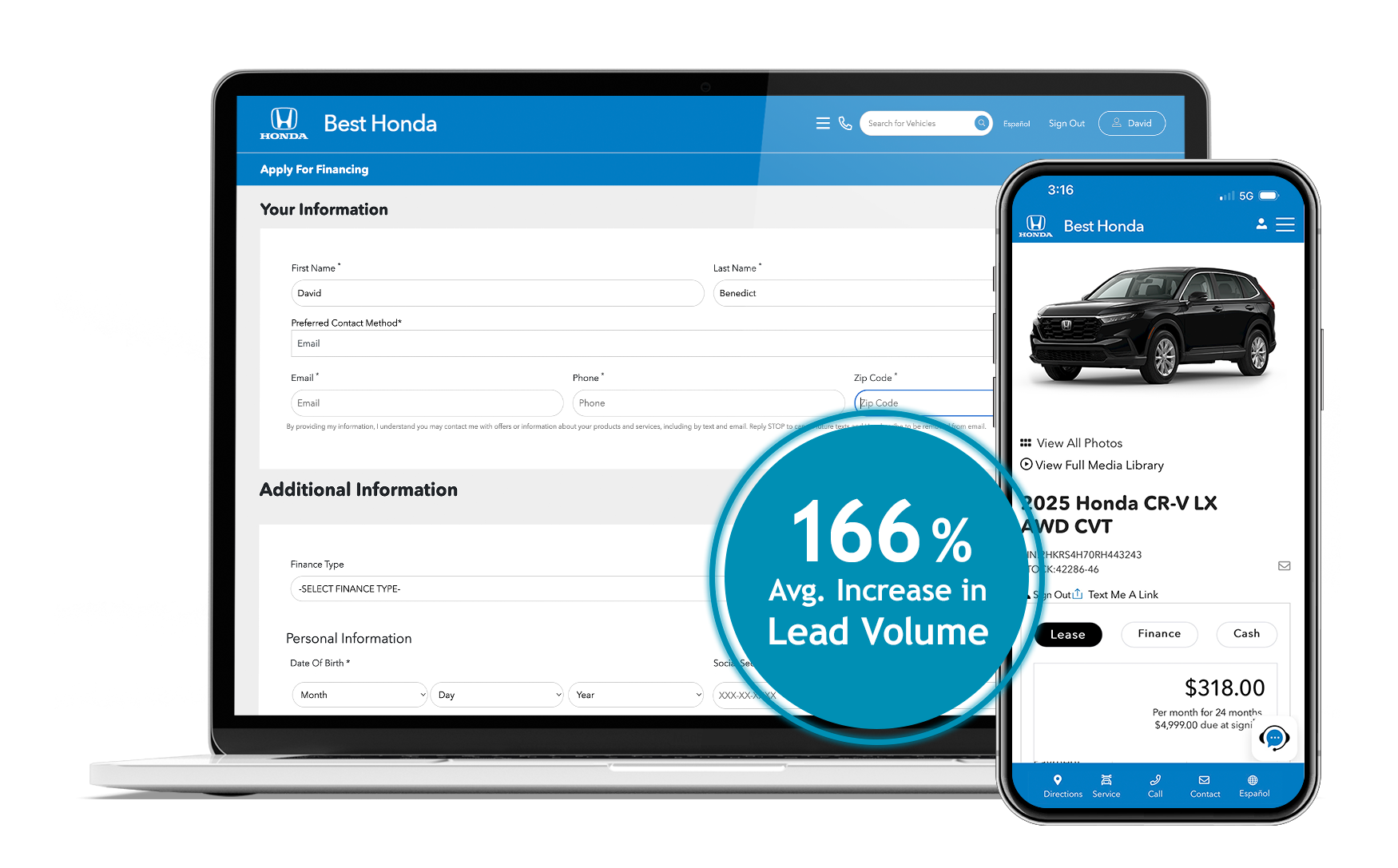
WASHINGTON, DC – January 23, 2026 – The digital experience for most car buyers remains a frustrating maze of slow-loading websites, disjointed tools, and inconsistent information. For years, automotive dealerships have struggled to stitch together a patchwork of third-party vendors, resulting in a clunky, inefficient process for both their staff and their customers. Now, retail technology provider Team Velocity is spotlighting a solution designed to end this fragmentation: its Apollo Customer Experience Platform, which leverages a deep ecosystem of native integrations to create a single, fluid journey from online search to driveway delivery.
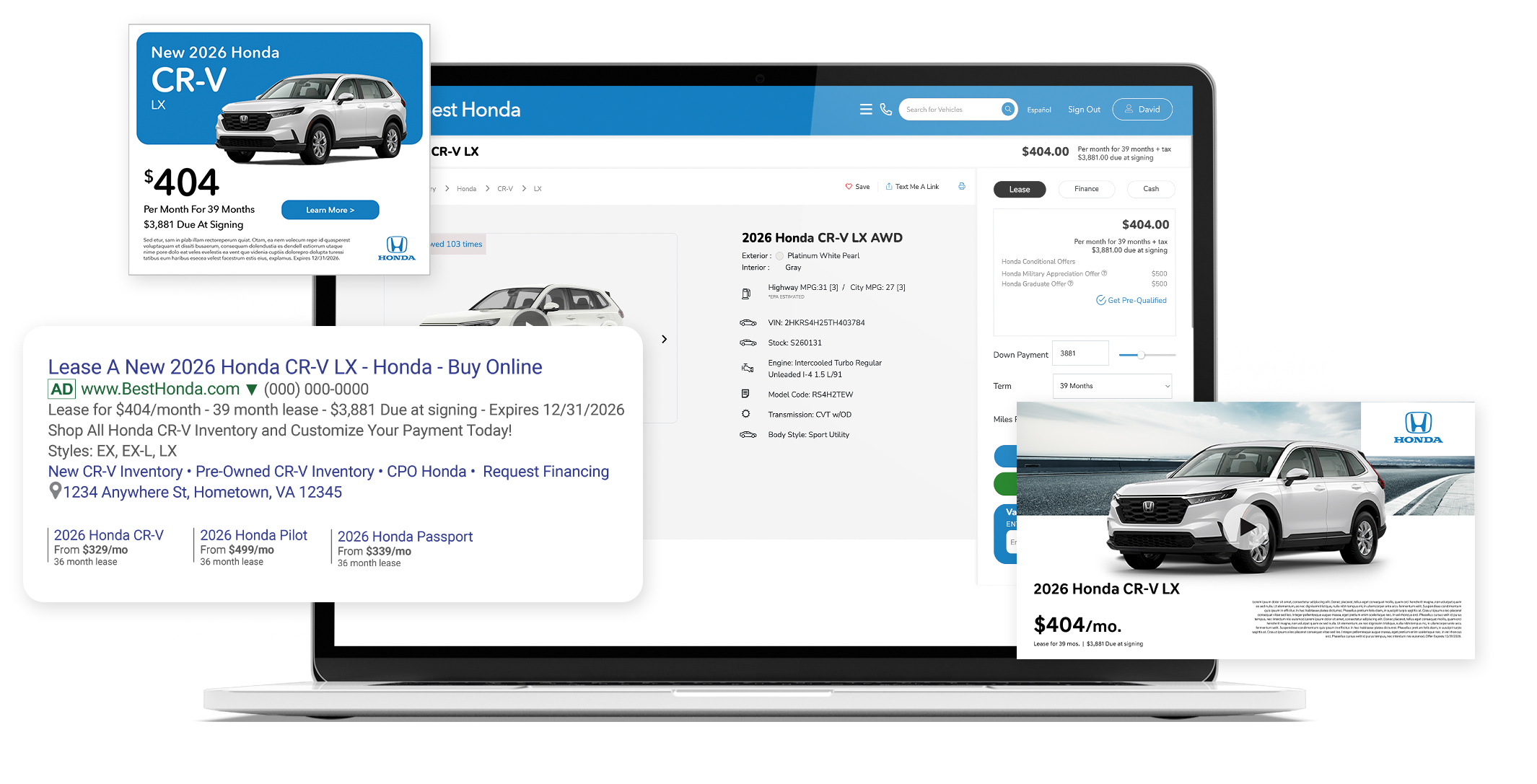
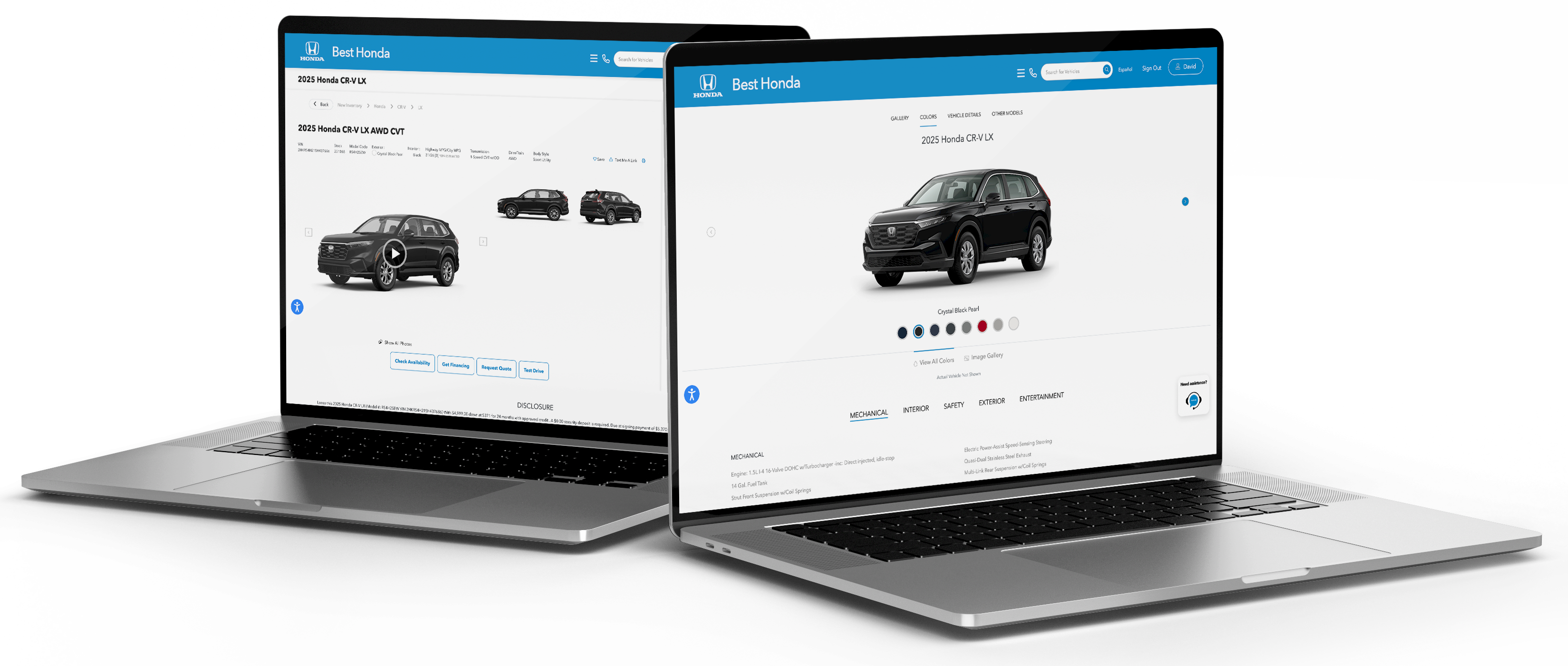
The core challenge has been the reliance on disparate systems—one for inventory, another for trade-in valuation, a third for financing, and yet another for service scheduling. These often manifest as pop-ups, iframes, or redirects that slow down websites and create a jarring user experience. Team Velocity’s approach with Apollo is to replace this disjointed model with an all-in-one platform where partner technologies are woven directly into the system’s fabric.
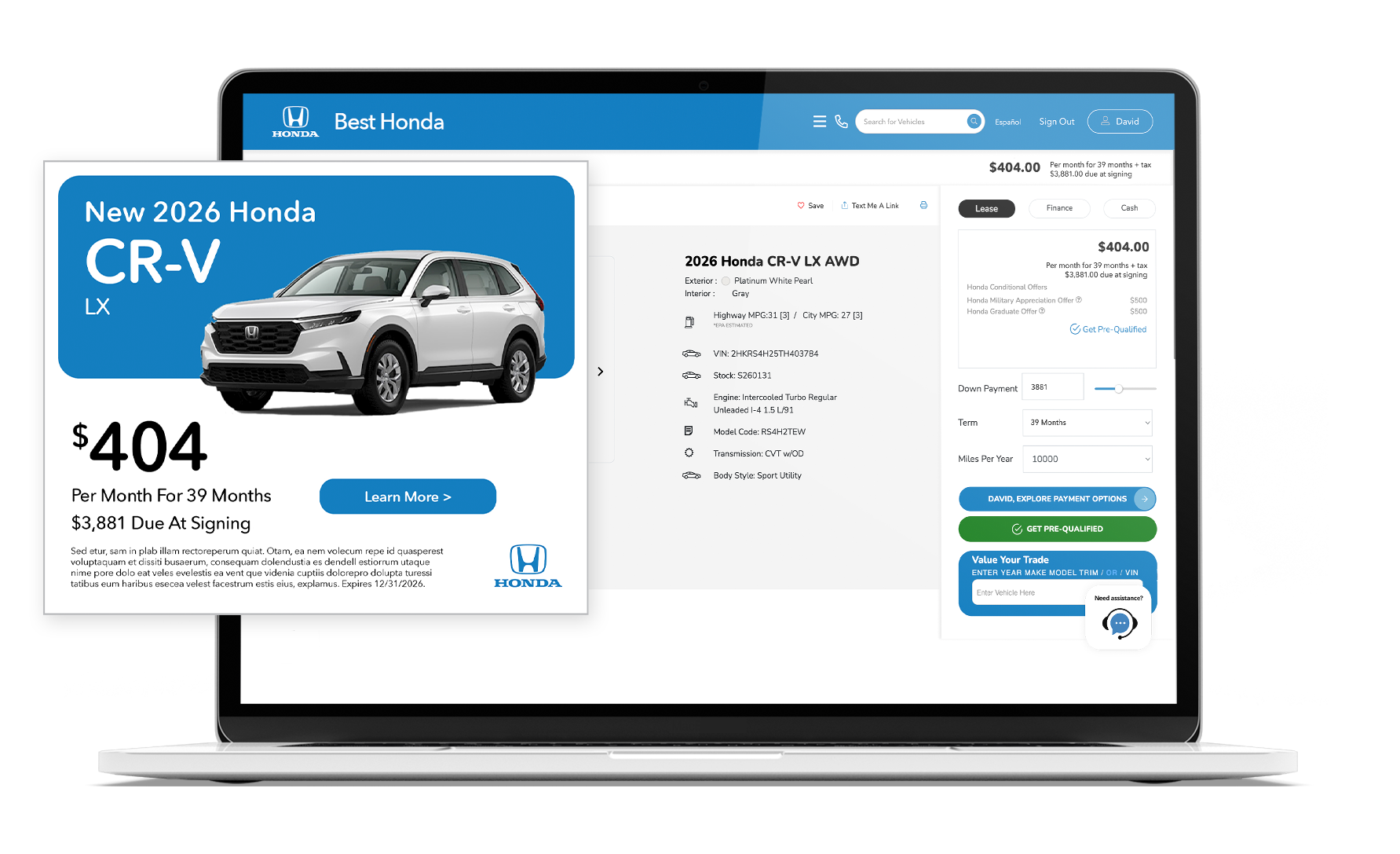
“Our dealers compete in a market where speed, personalization, and trust define success,” said David Boice, co-founder and CEO of Team Velocity, in a recent announcement. “We built Team Velocity and our Apollo platform to be an all-in-one resource for automotive retail… No iframes. No disconnected widgets. This provides a smoother customer experience and also provides valuable insights into the customer journey.”
A Seamless Ecosystem to Combat Fragmentation
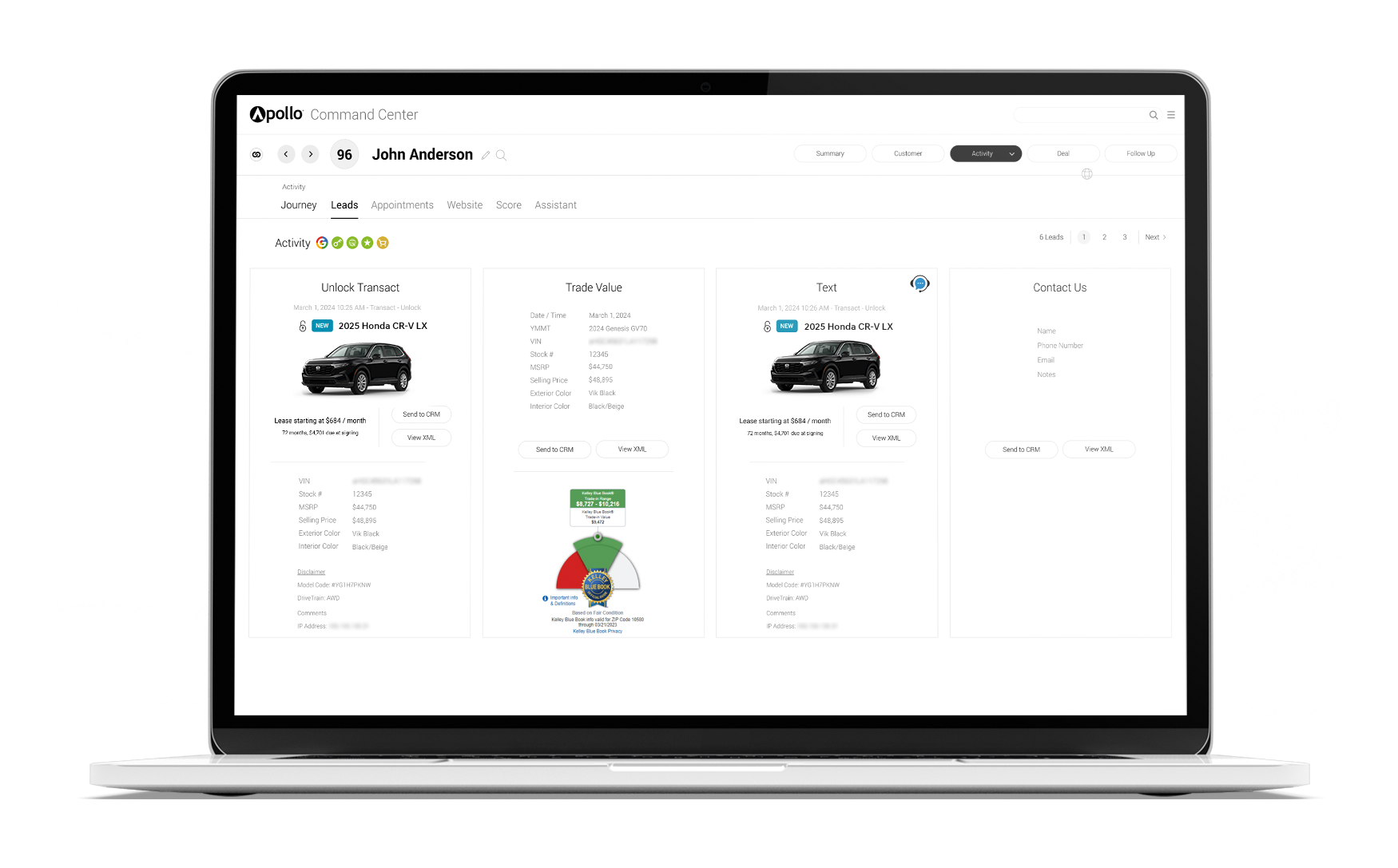
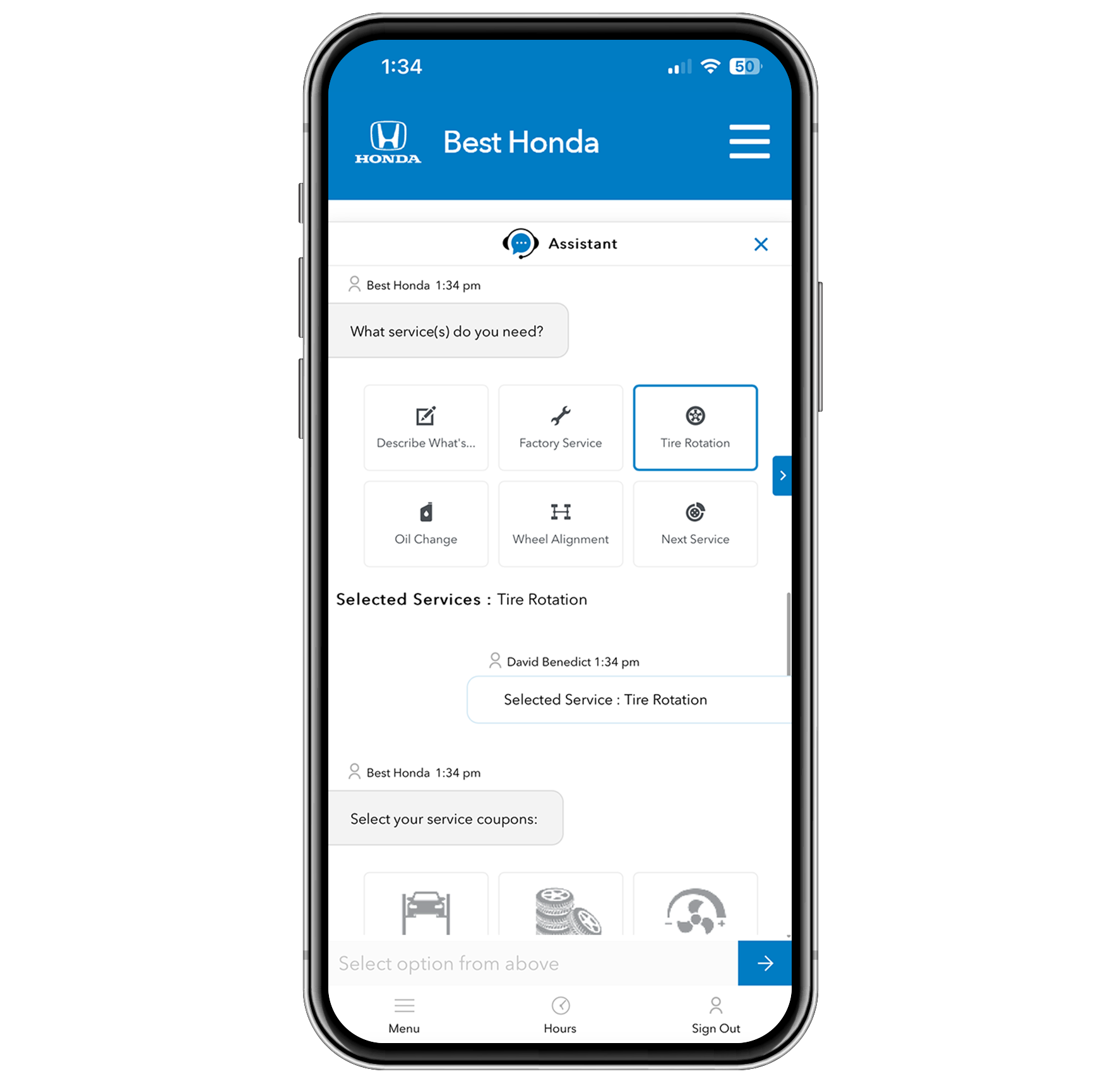
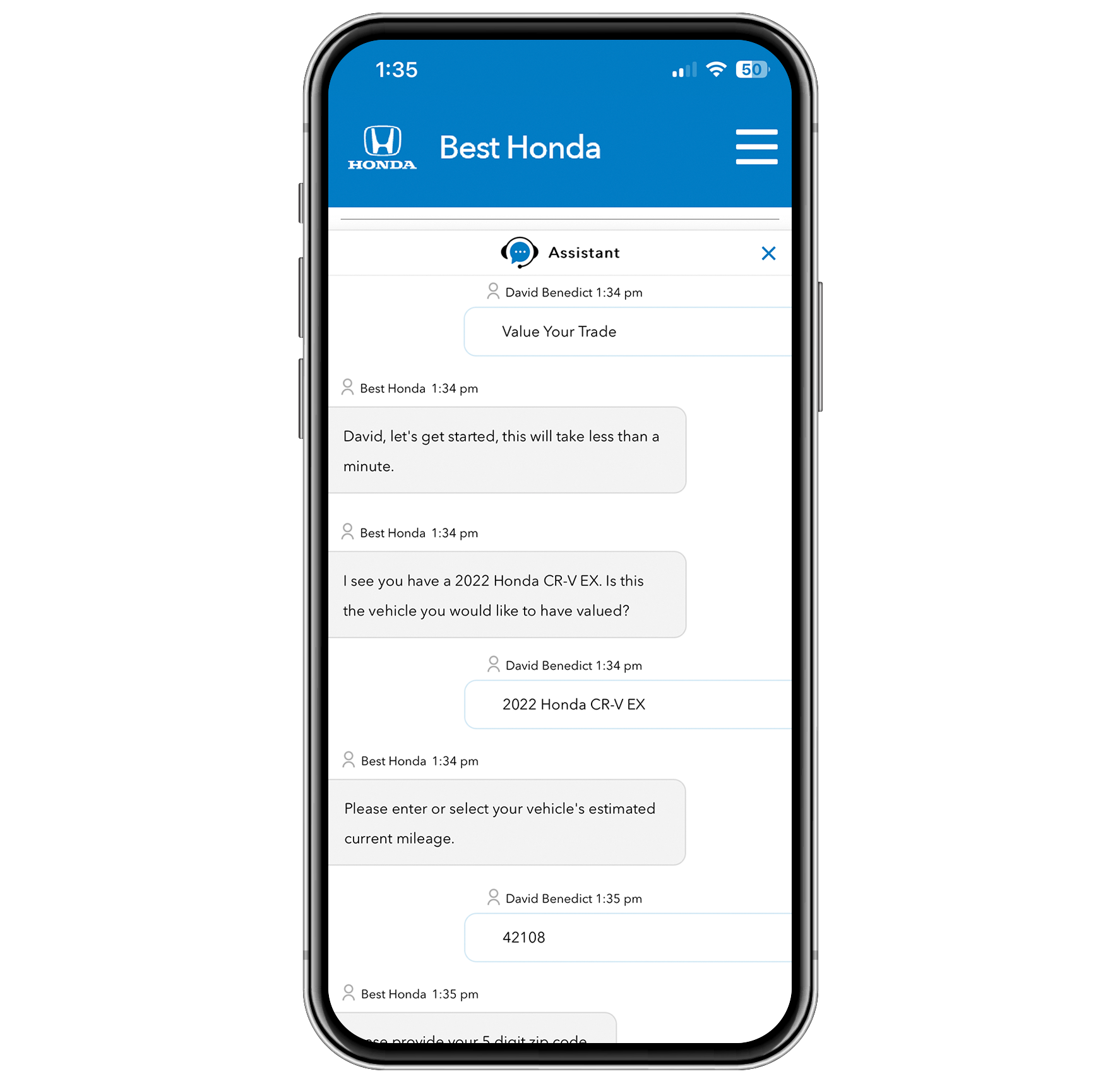
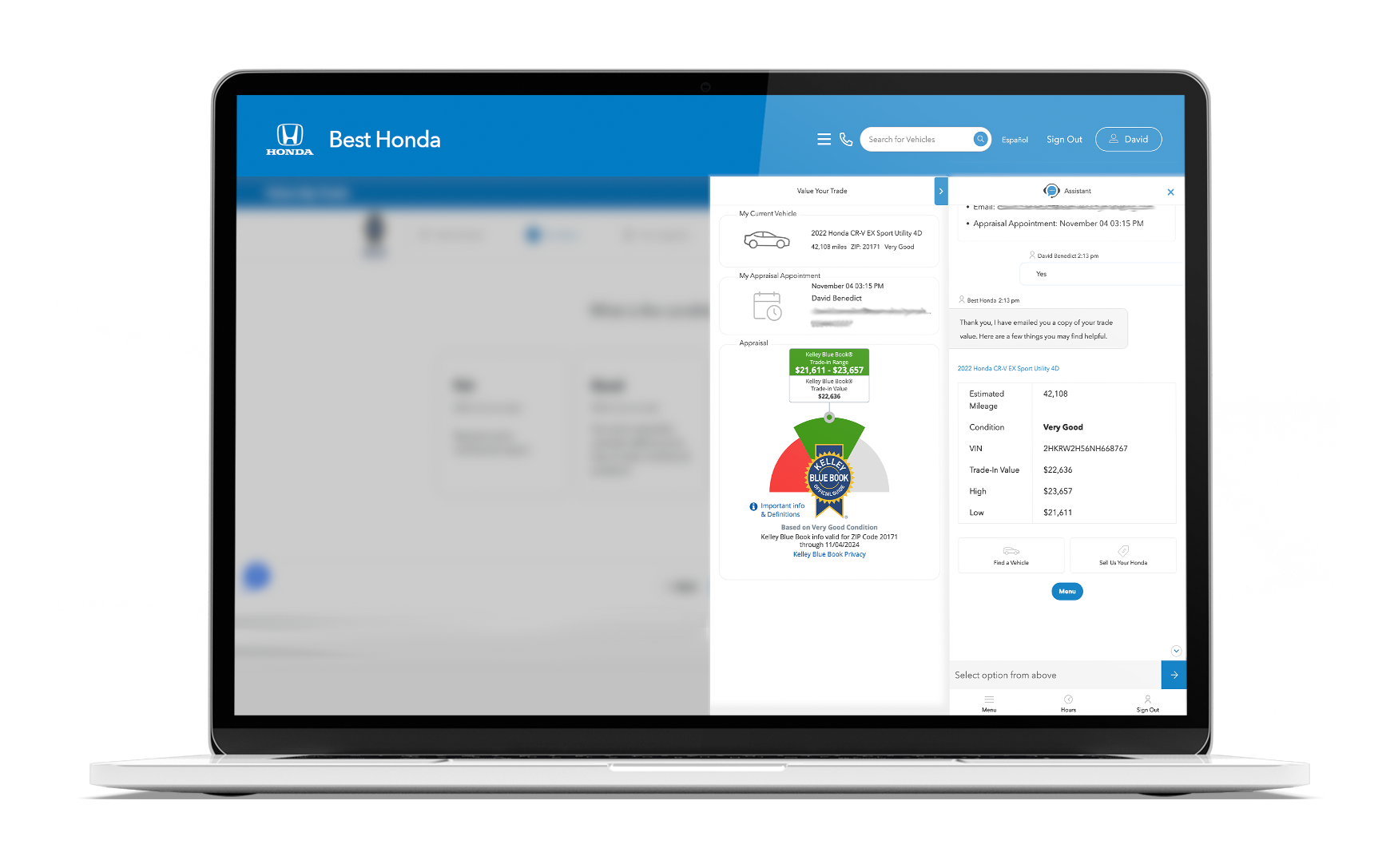
At the heart of Apollo’s strategy is its extensive list of native integrations with trusted industry partners. Instead of simply bolting on external tools, the platform incorporates them seamlessly. This means when a customer schedules a service appointment through an Apollo-powered website, they are using embedded technology from partners like Xtime or CDK without ever being redirected to another site. Similarly, obtaining a trade-in value from Kelley Blue Book, VINCUE, or TradePending happens within the native interface, ensuring consistency.
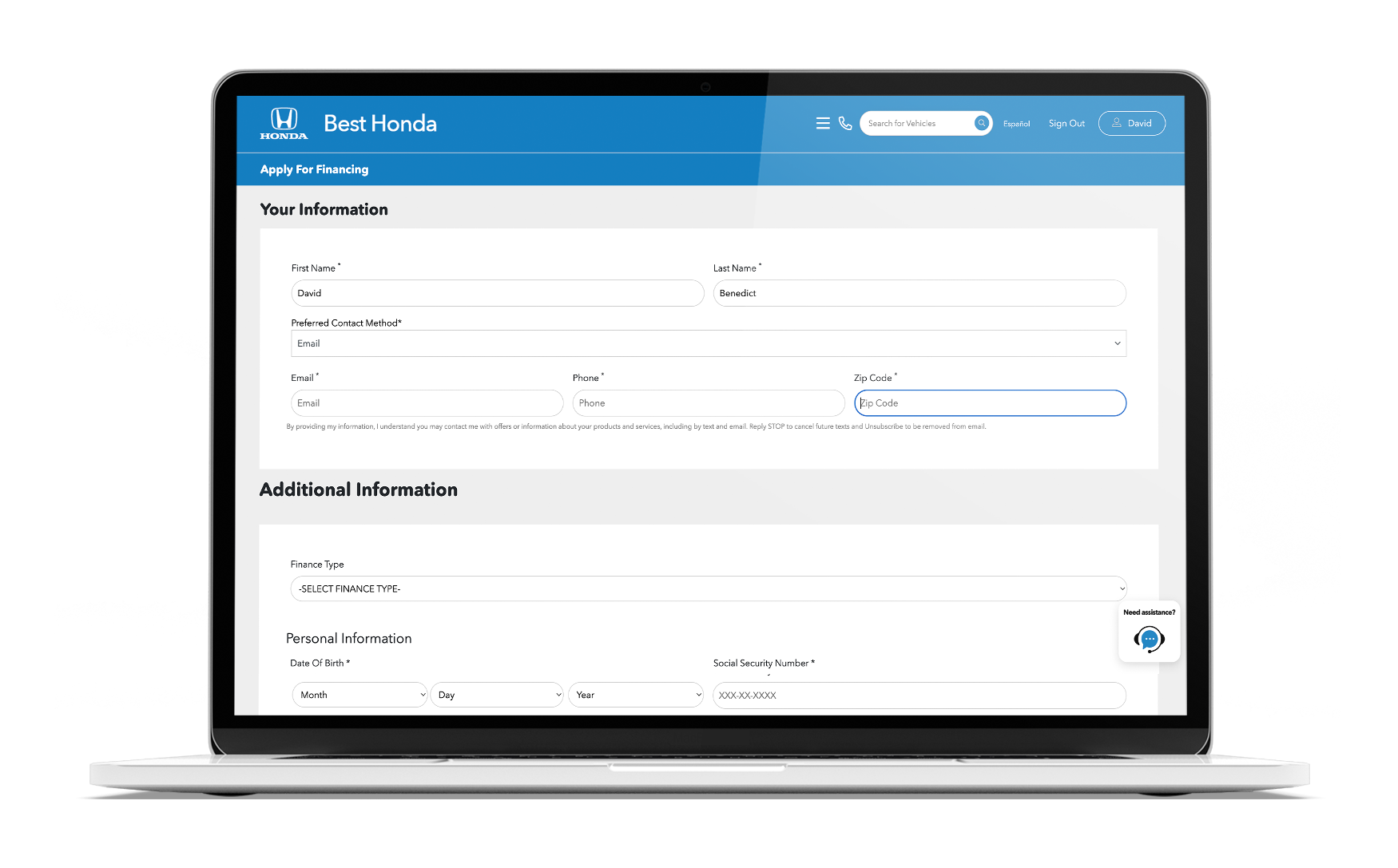
This integrated network spans every critical dealership function. Customer data is synchronized from all major Dealer Management Systems (DMS), including CDK, Reynolds & Reynolds, and Tekion. Real-time financing and credit approvals are handled through direct connections with RouteOne and Equifax. Even post-sale logistics are integrated, with on-demand vehicle shipping and delivery managed via partners like RedCap and RunBuggy.
By centralizing these functions, the platform aims to eliminate data silos and process bottlenecks. The result is a website that not only loads faster but also provides a more coherent and trustworthy experience for the consumer, who can move from browsing inventory to securing financing and arranging delivery within a single, uninterrupted digital environment. This commitment to performance is underlined by the company’s goal to have 75% of its dealer websites meet or exceed Google’s stringent Core Web Vitals standards by the end of 2025—a benchmark less than one percent of dealership sites currently achieve.
Driving Dealer Profitability and Efficiency
Beyond improving the customer-facing experience, this unified approach promises significant operational and financial benefits for dealerships. By consolidating technology vendors and automating workflows, dealers can reduce complexity and lower monthly operational costs. Real-world results appear to validate these claims. Coral Springs Honda, after implementing the full Apollo platform, reported a 12:1 return on investment, optimizing its budget while simultaneously achieving a 33% year-over-year increase in sales. The dealership also saw its customer engagement rate triple the industry average.
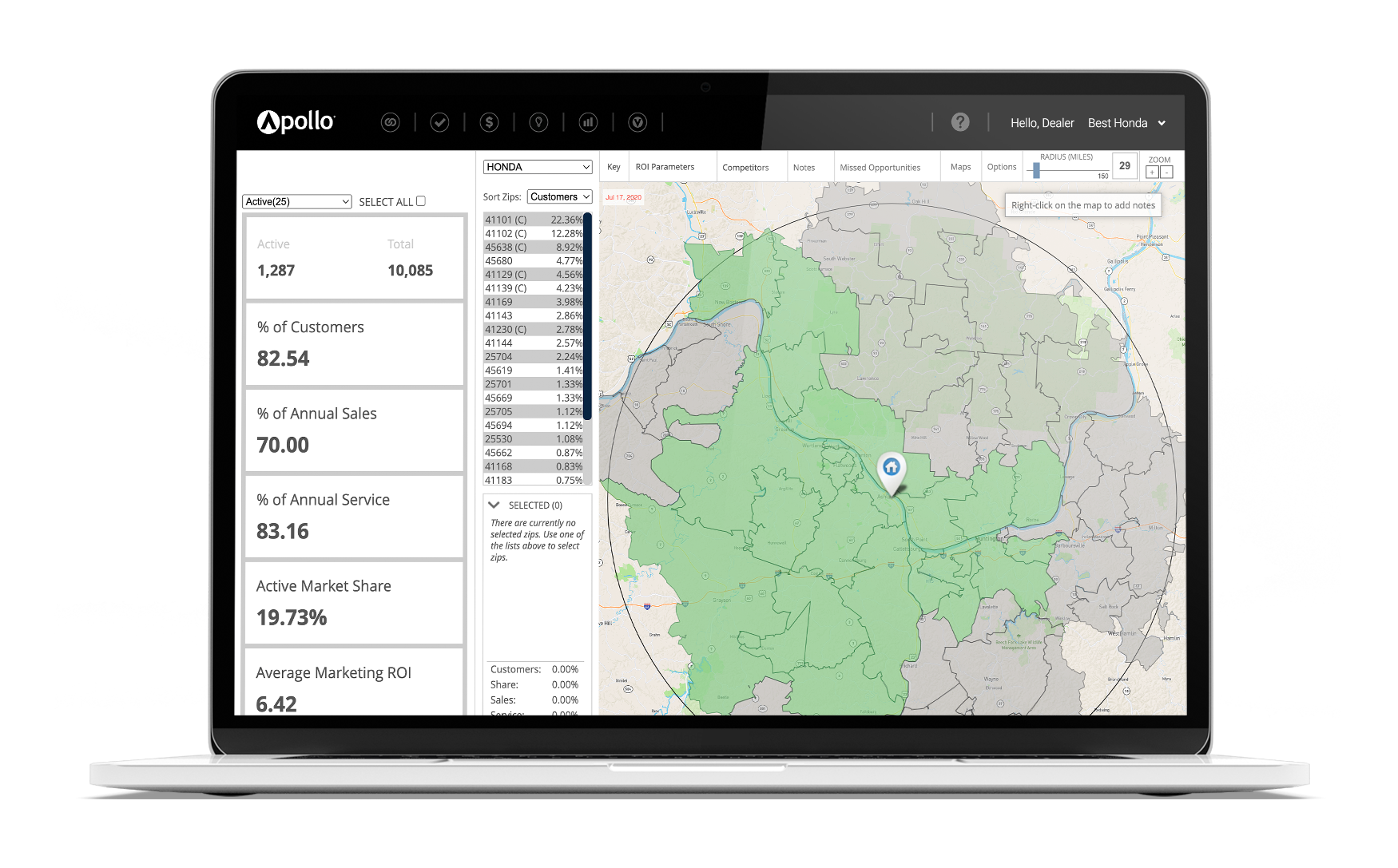
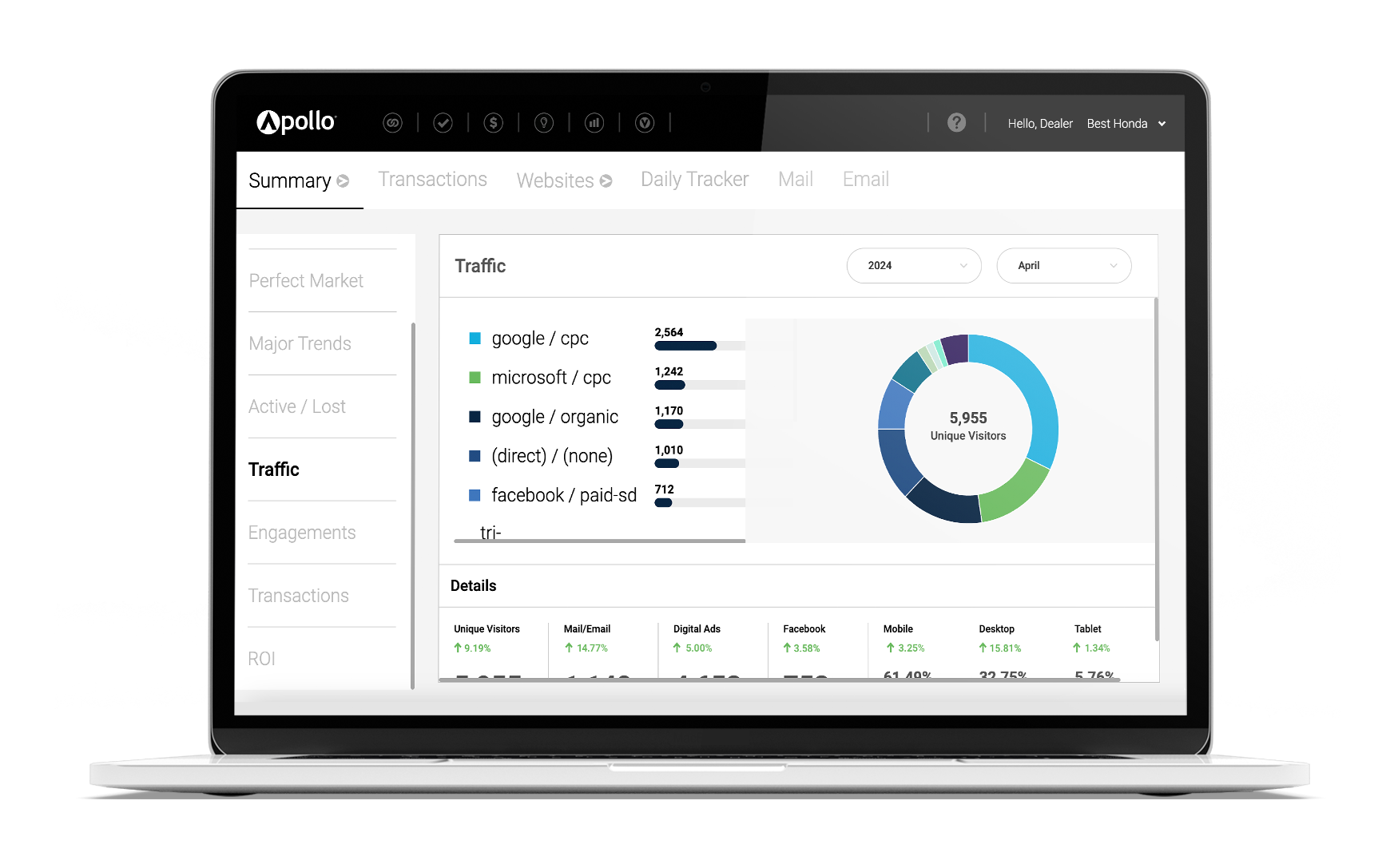
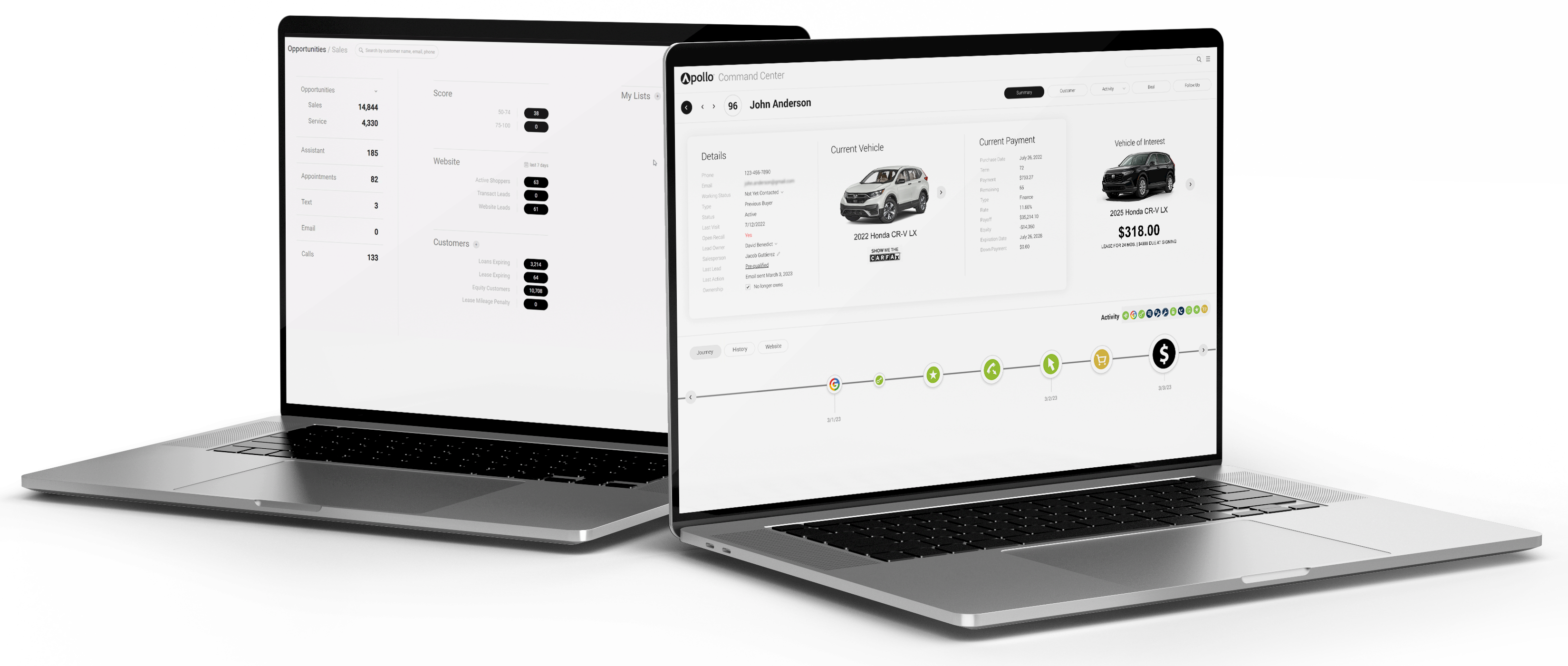
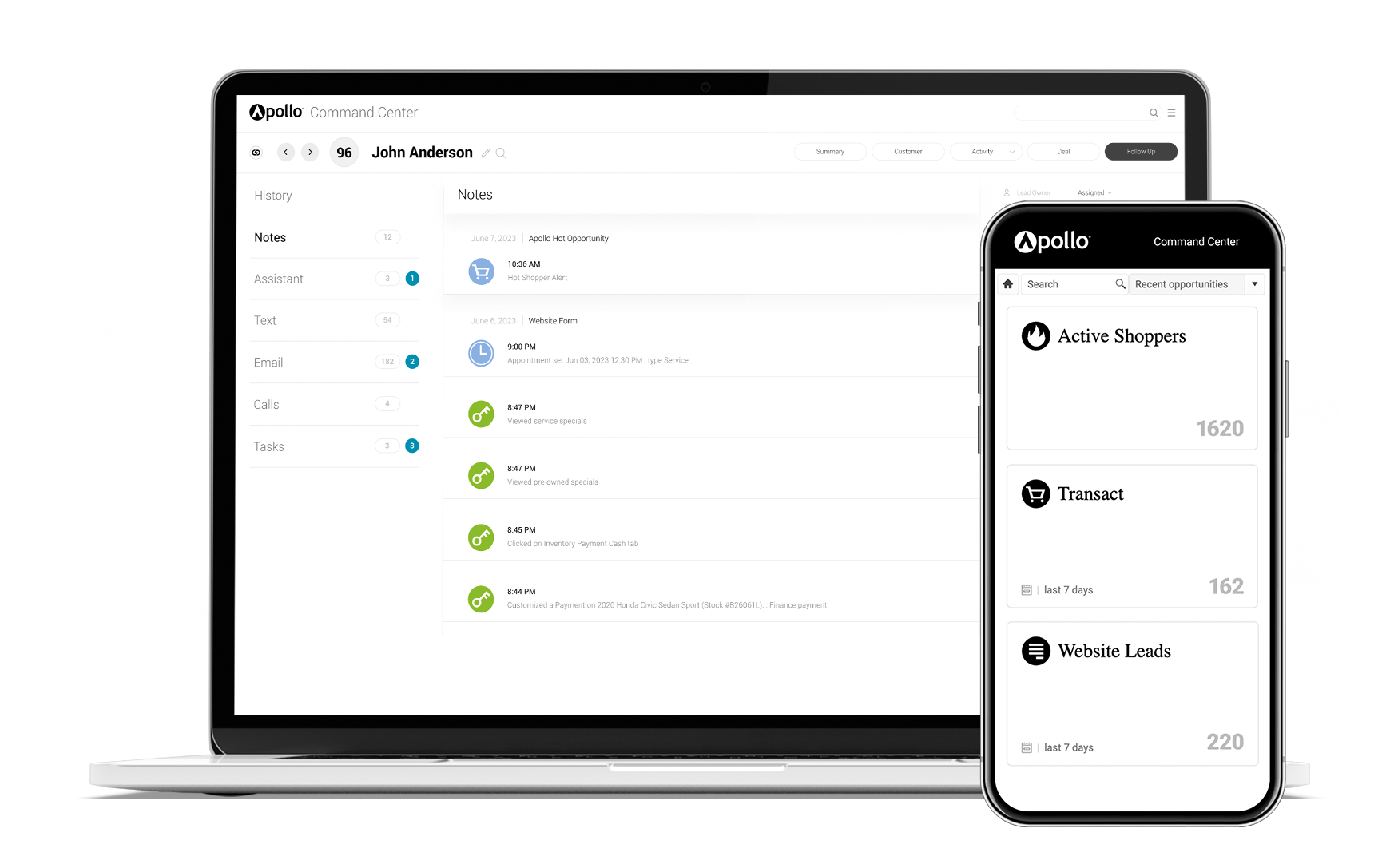
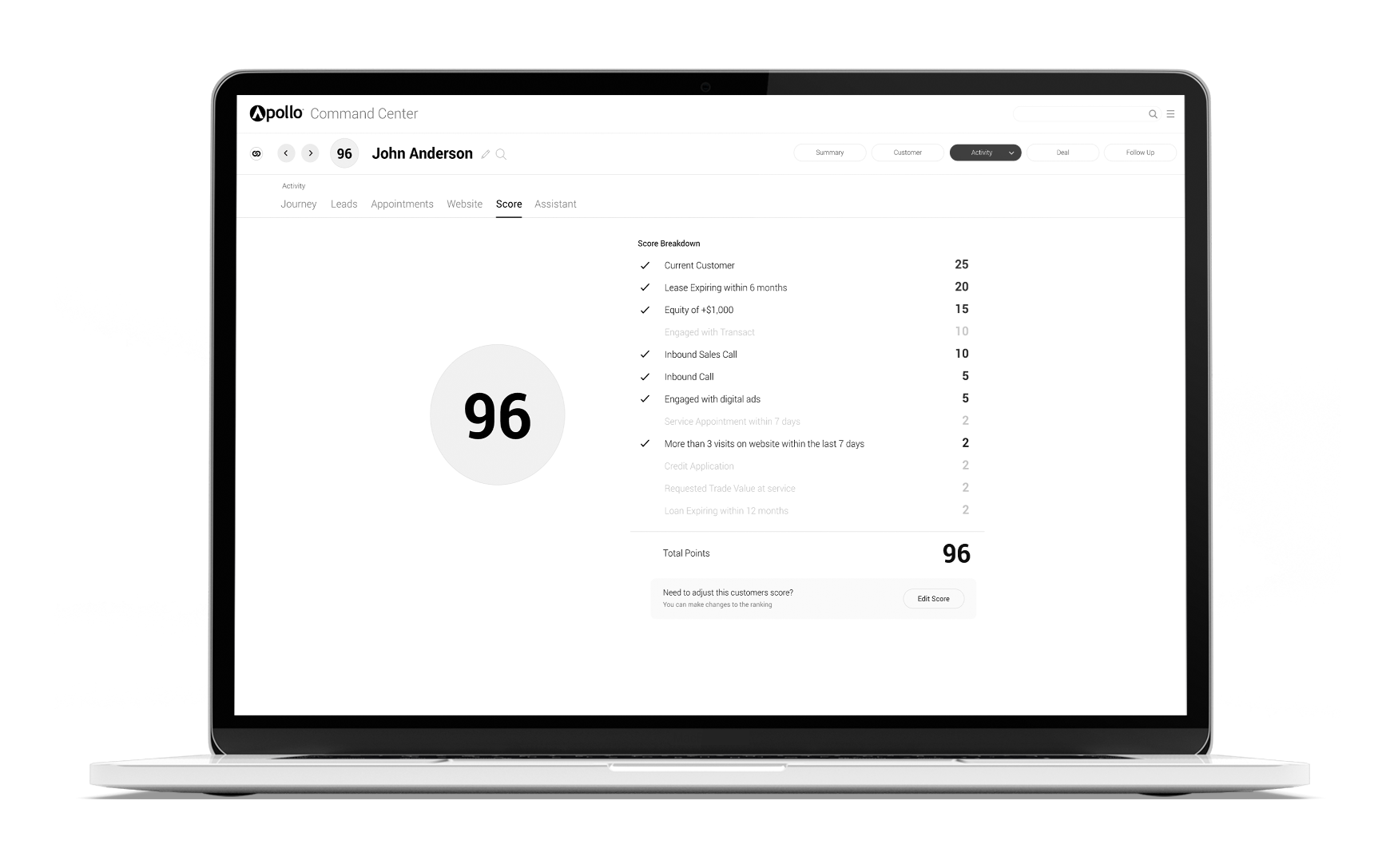
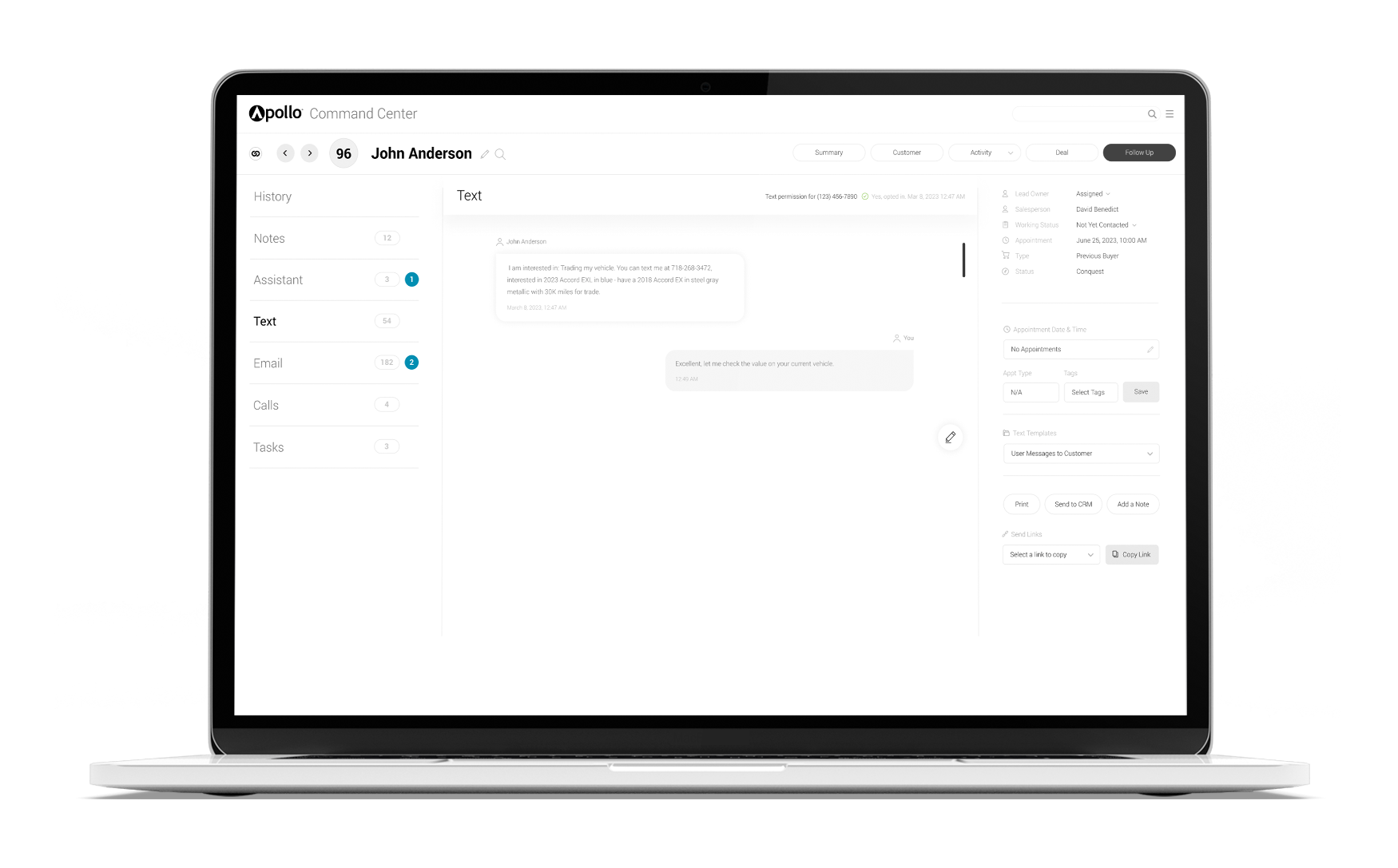
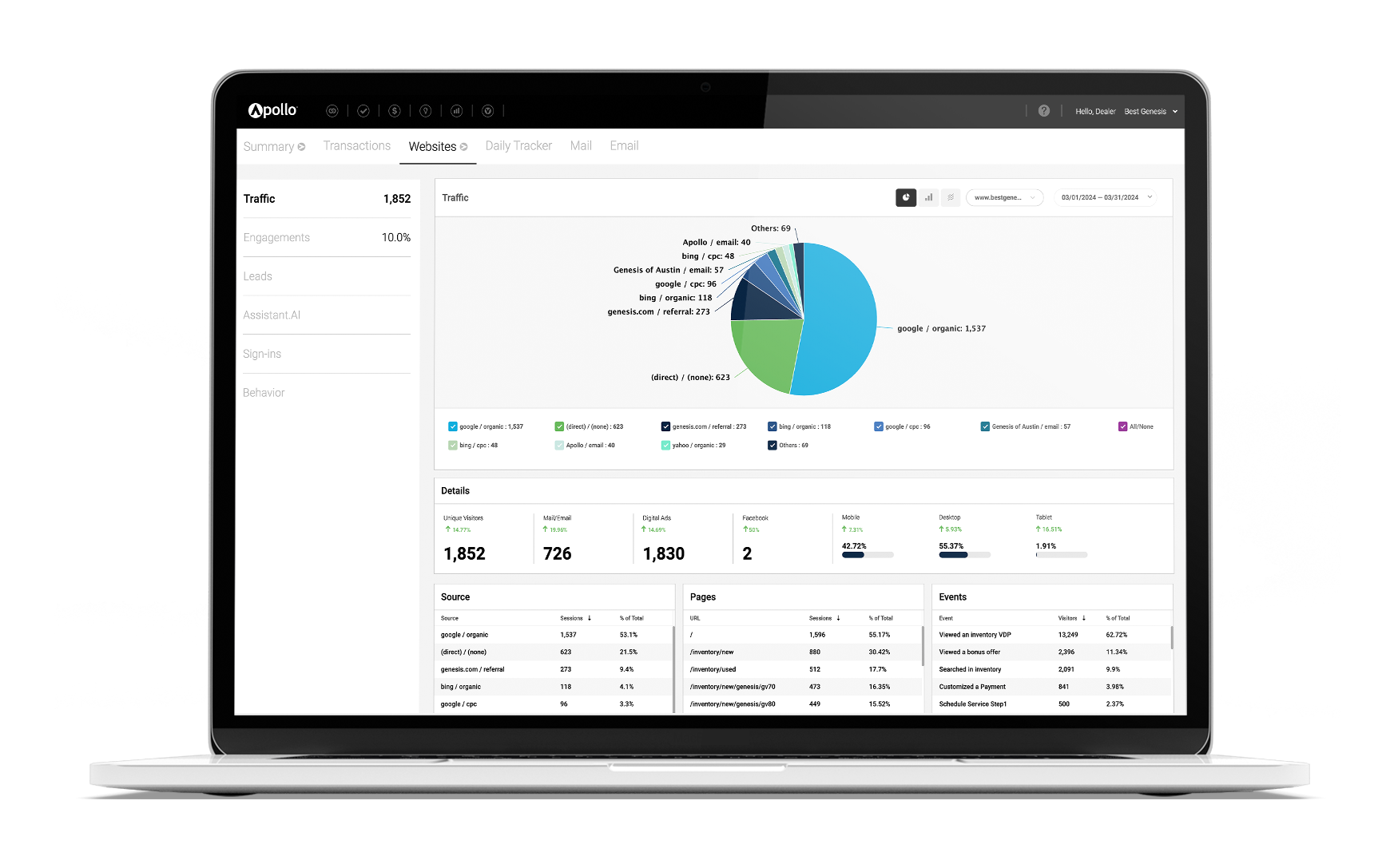
The platform’s data intelligence is another key driver of efficiency. A feature called “Deal Alerts” uses predictive technology to analyze customer behavior and score their readiness to buy. When a shopper reaches a certain threshold, the sales team receives an instant notification. Beta tests of this feature with Murgado Automotive Group and Yark Automotive Group yielded closing ratios three to four times higher than those from traditional sales leads, often within just five days. This allows sales teams to focus their efforts on high-intent buyers, dramatically improving efficiency.
This focus on tangible results has earned strong marks from dealers. In a recent Pasch Website Research Report, dealers overwhelmingly ranked Team Velocity highest among its competitors across multiple categories. 84% gave the company top scores for customer support, while 71% ranked it number one for innovation, suggesting that its integrated platform model is resonating with its target market.
Rebuilding the Consumer Car-Buying Journey
For the average consumer, the car-buying process is notoriously stressful, with a recent study showing that 87% of Americans feel frustrated by it. Much of this anxiety stems from a lack of transparency and a disconnected process. Team Velocity’s Apollo platform directly addresses these pain points by creating a more empowered and transparent journey.
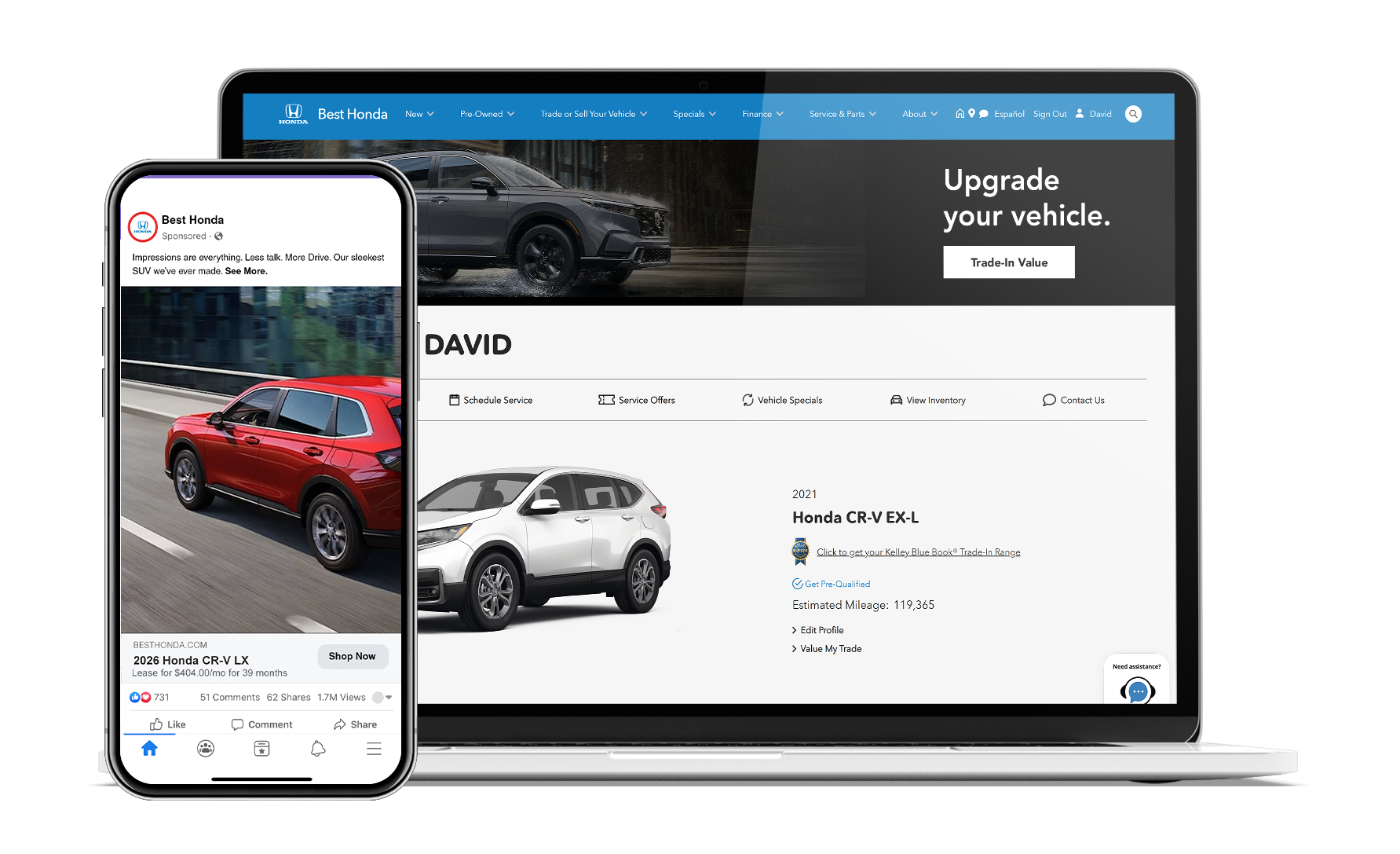
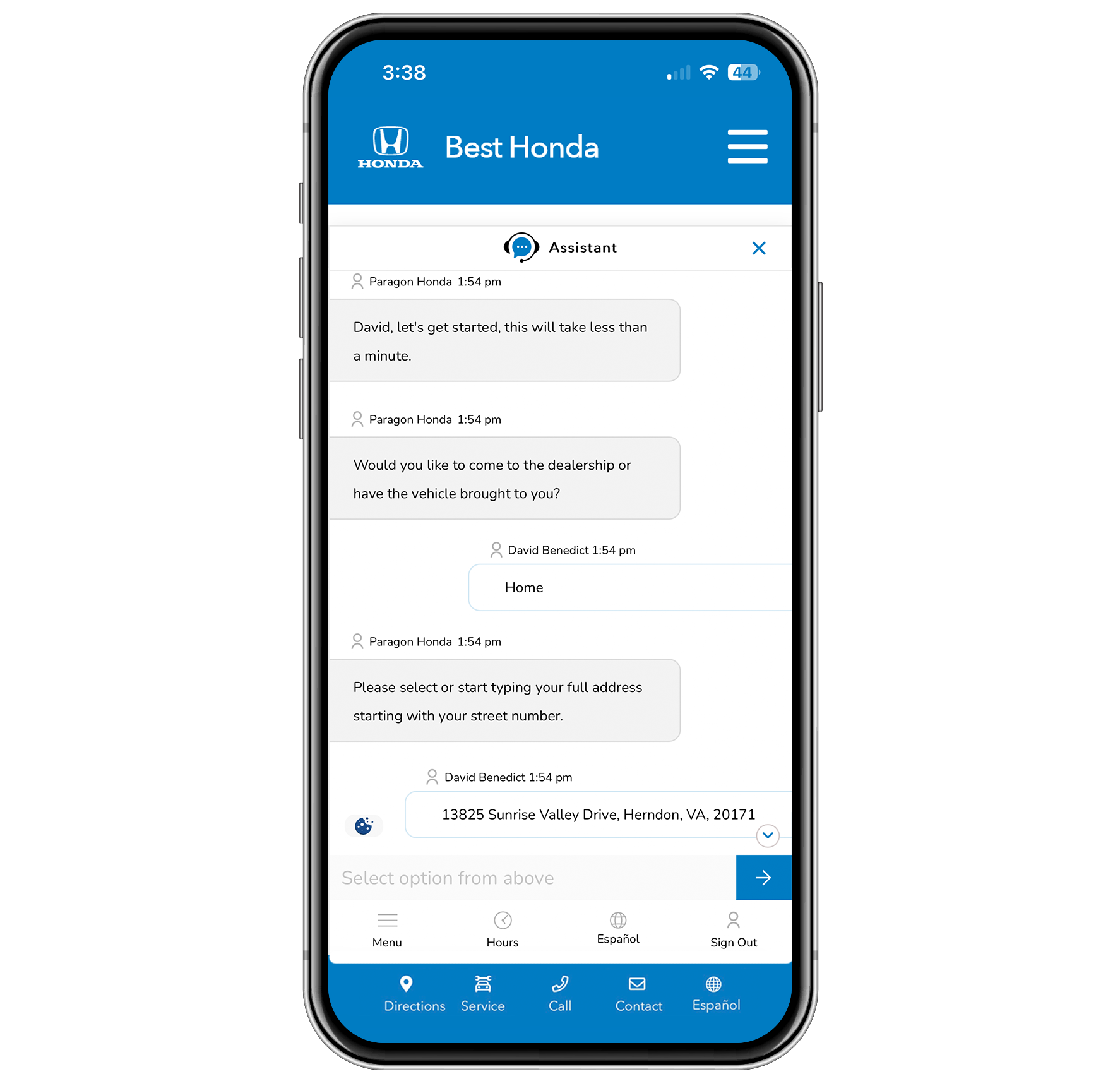
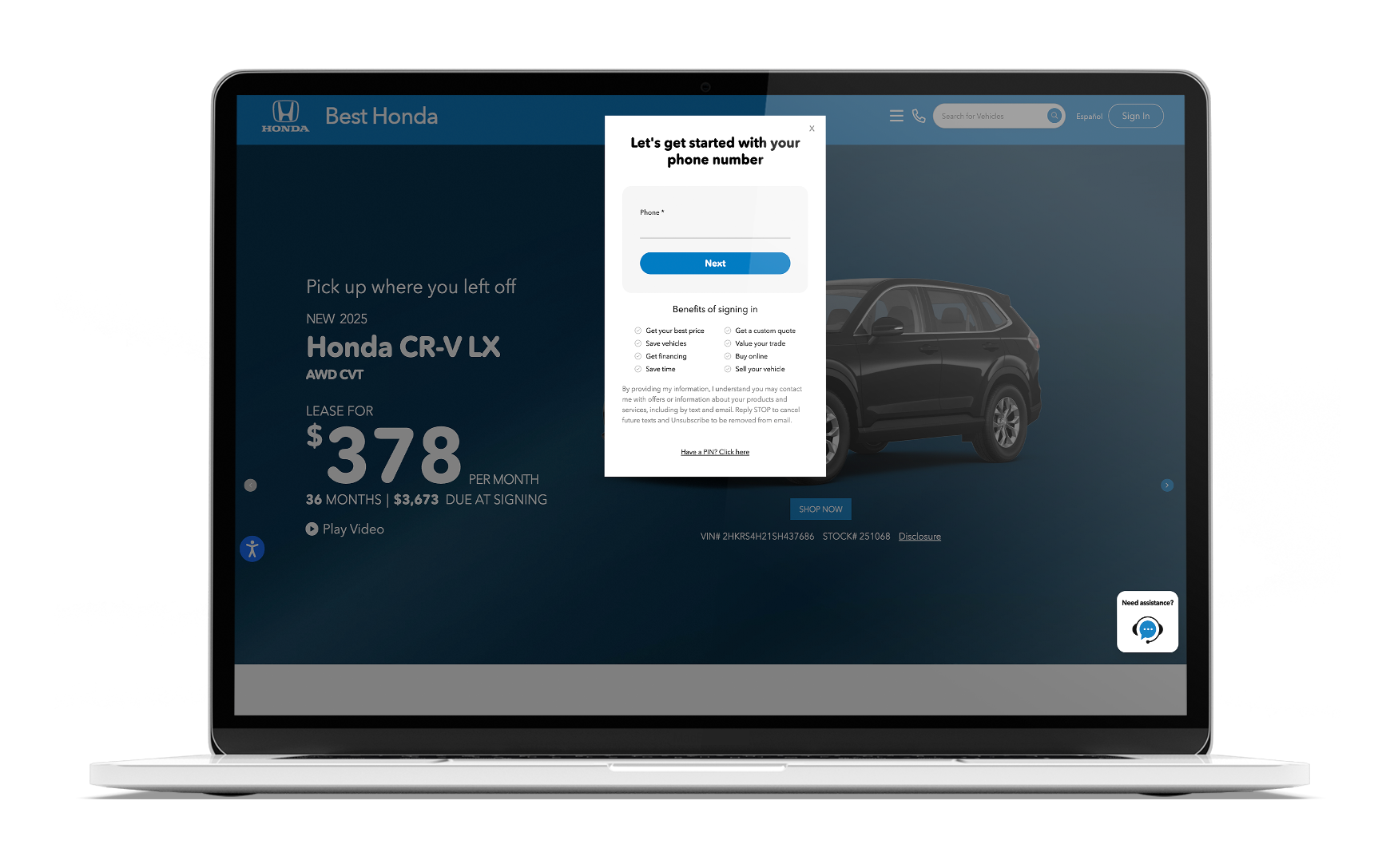
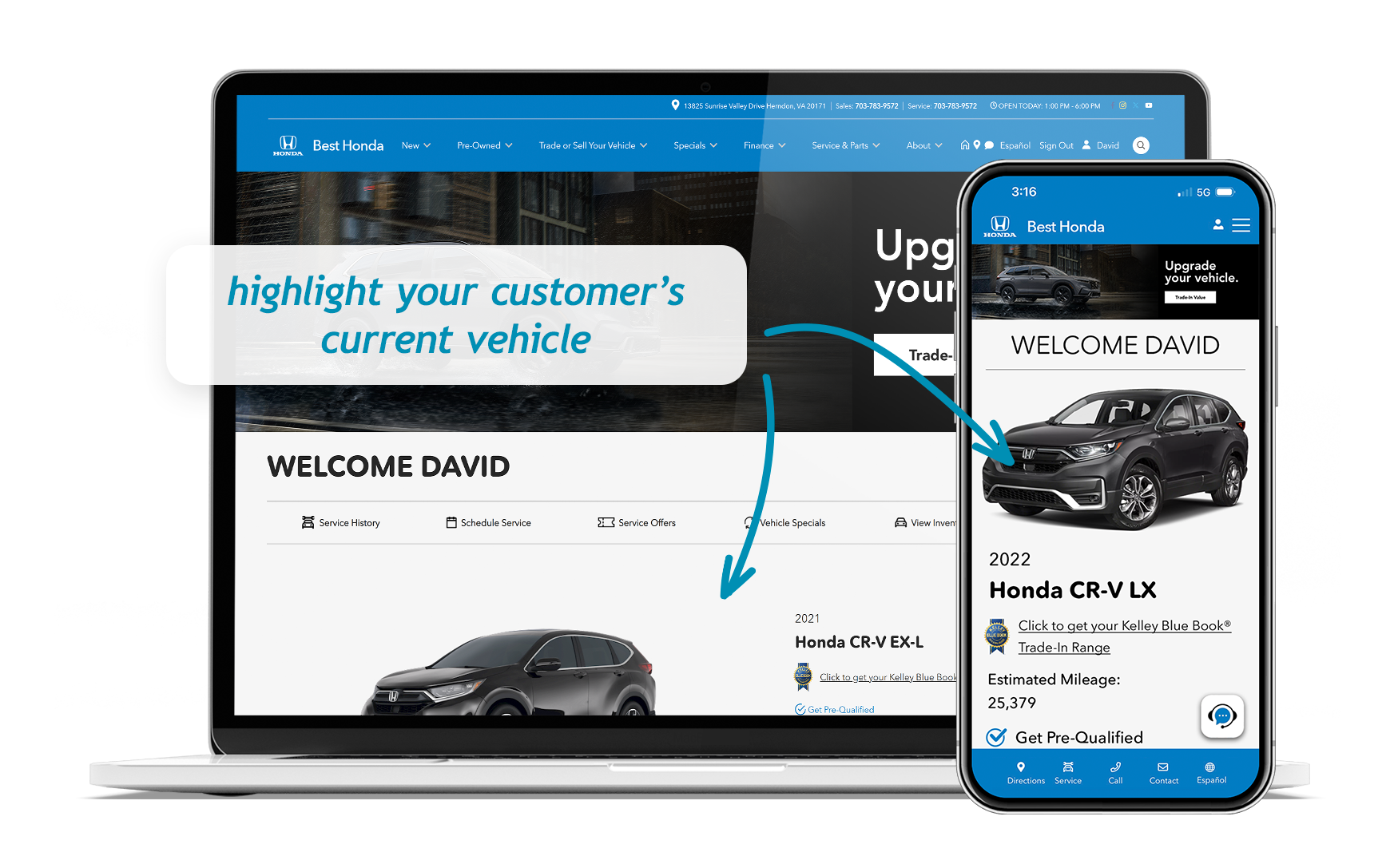
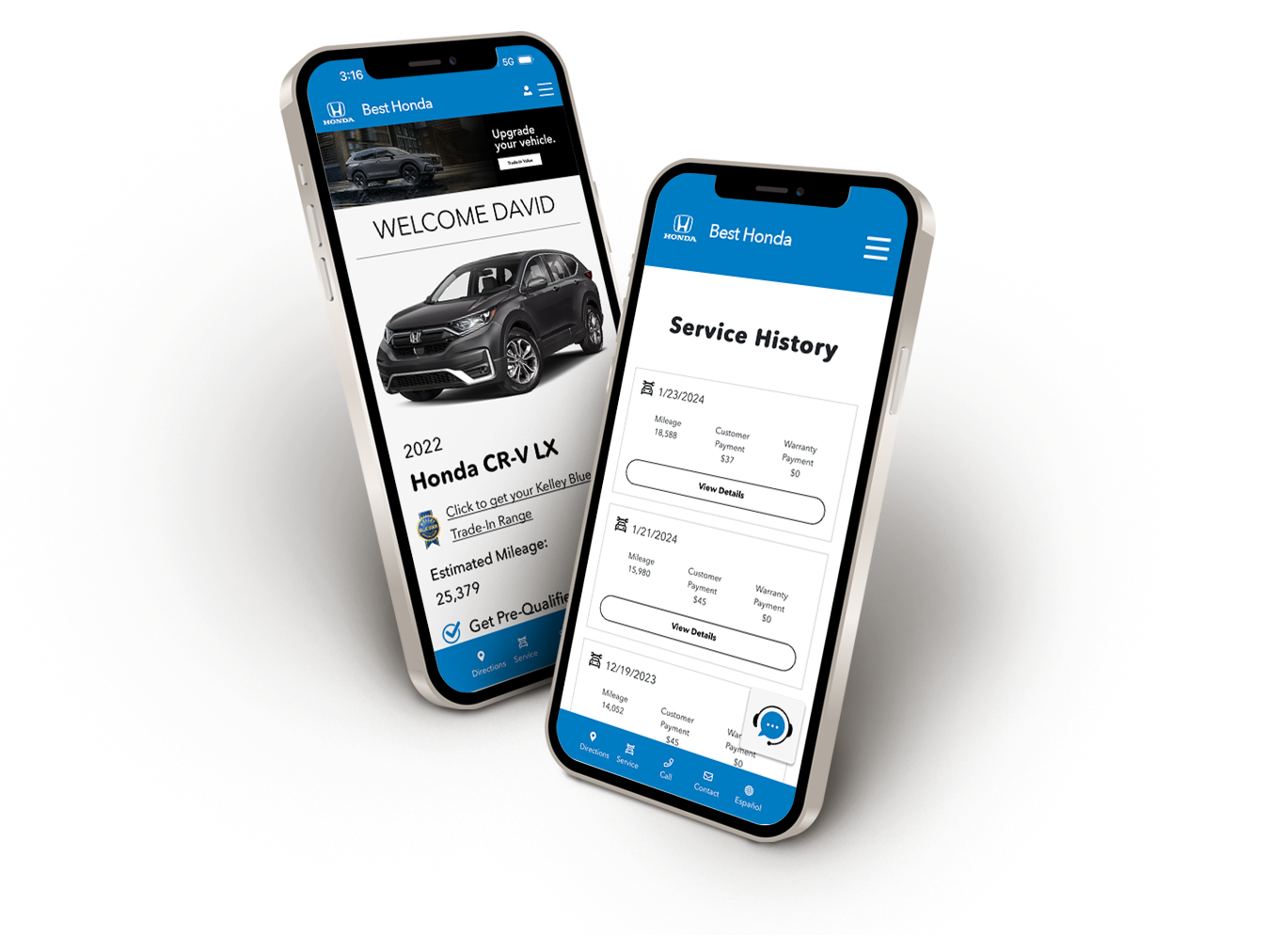
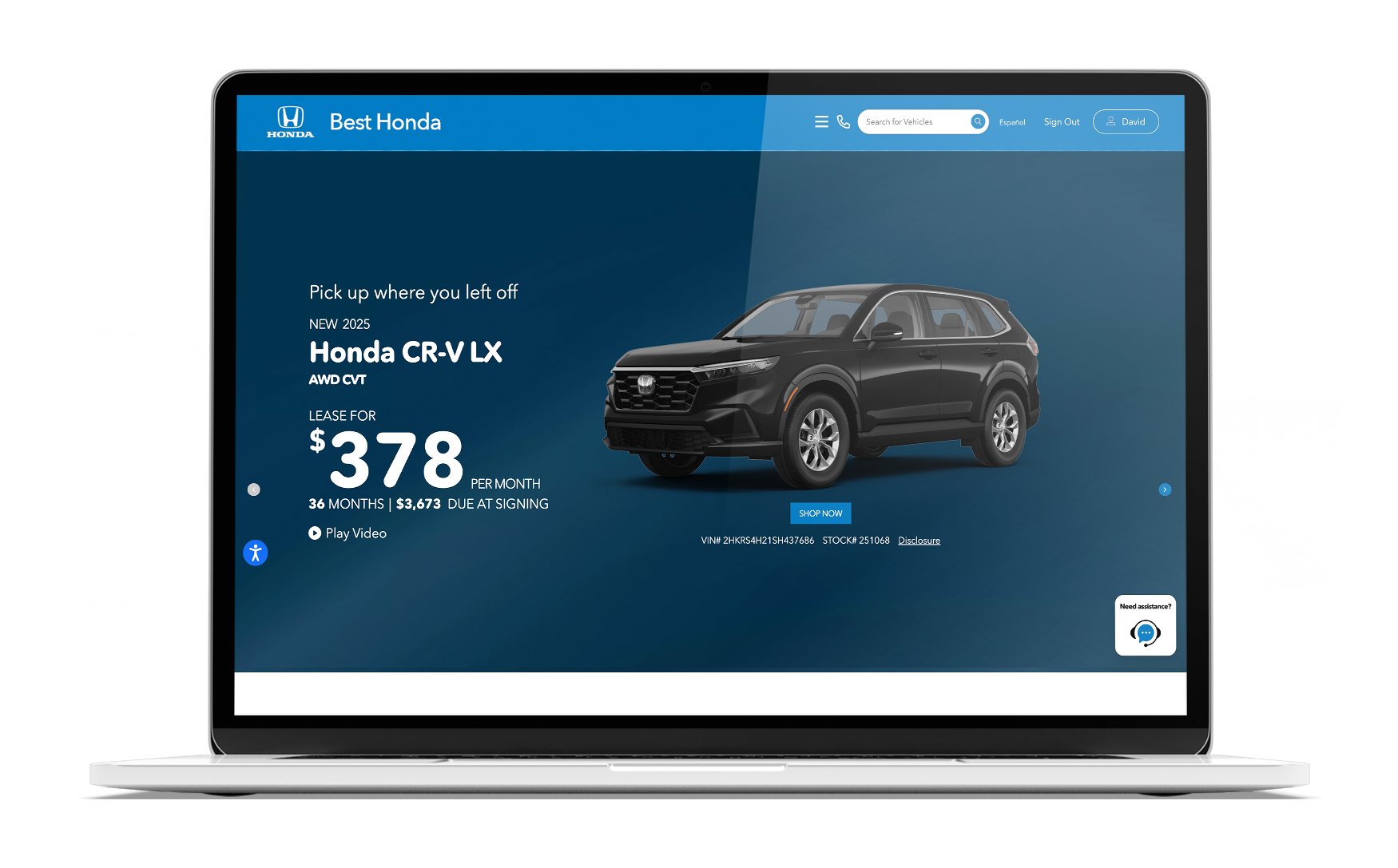
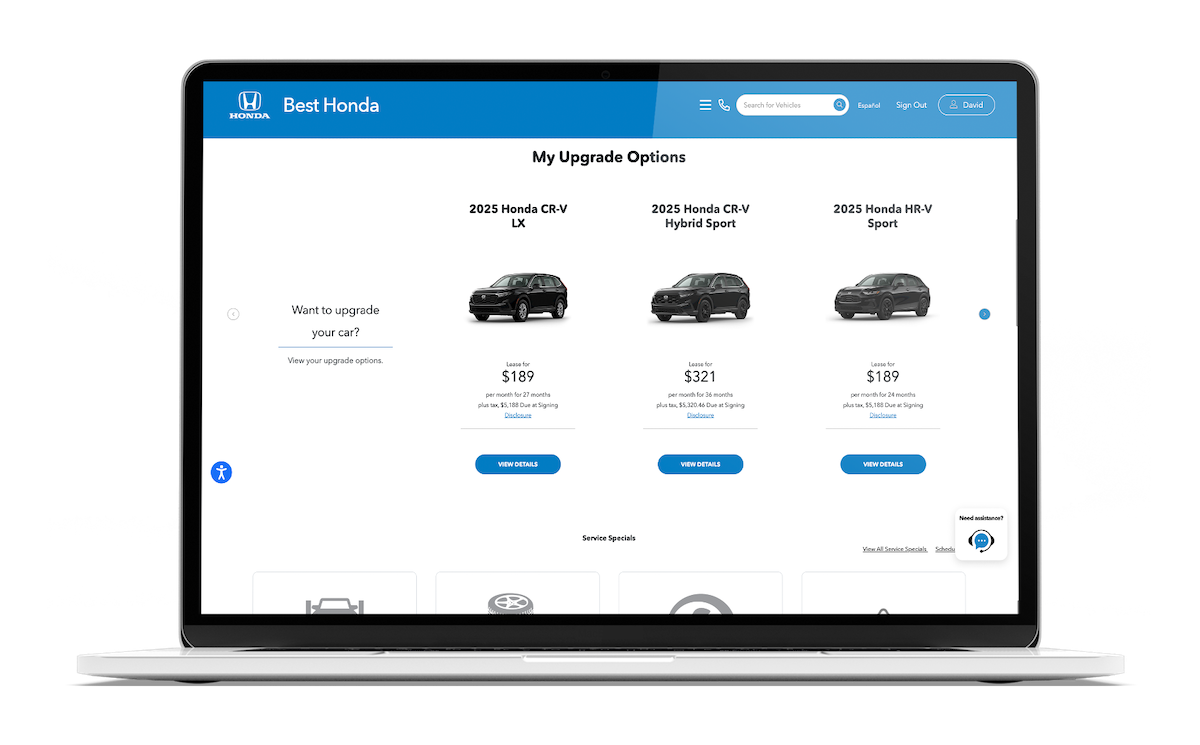
The platform enables a “personalization at scale” approach, creating a unique website experience for each customer. A returning visitor can see their vehicle’s service history, check for recalls, view personalized upgrade options based on their current equity, and explore new vehicles with their trade-in value automatically applied. This level of personalization mirrors the curated experiences consumers have come to expect from e-commerce giants like Amazon.
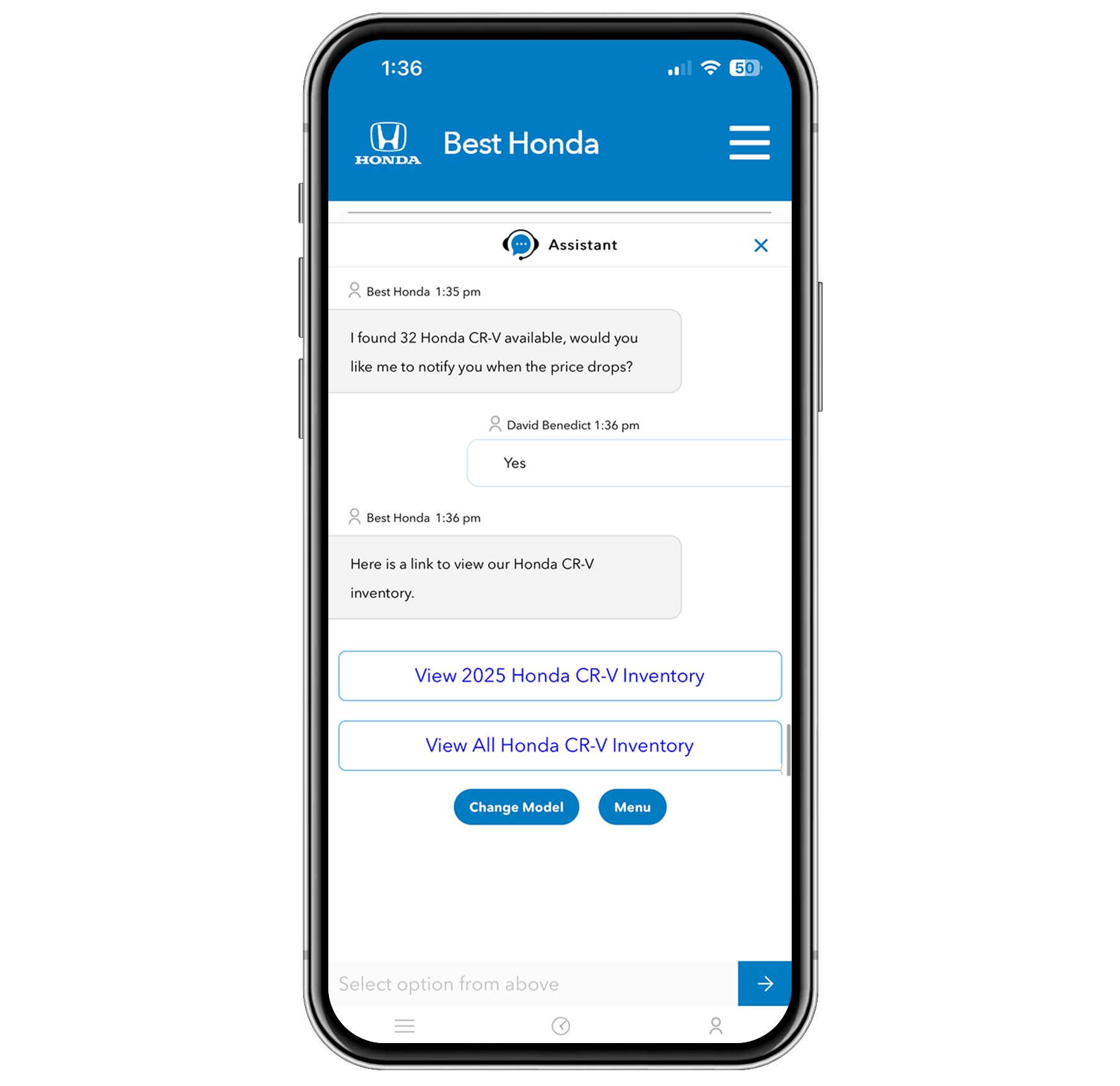
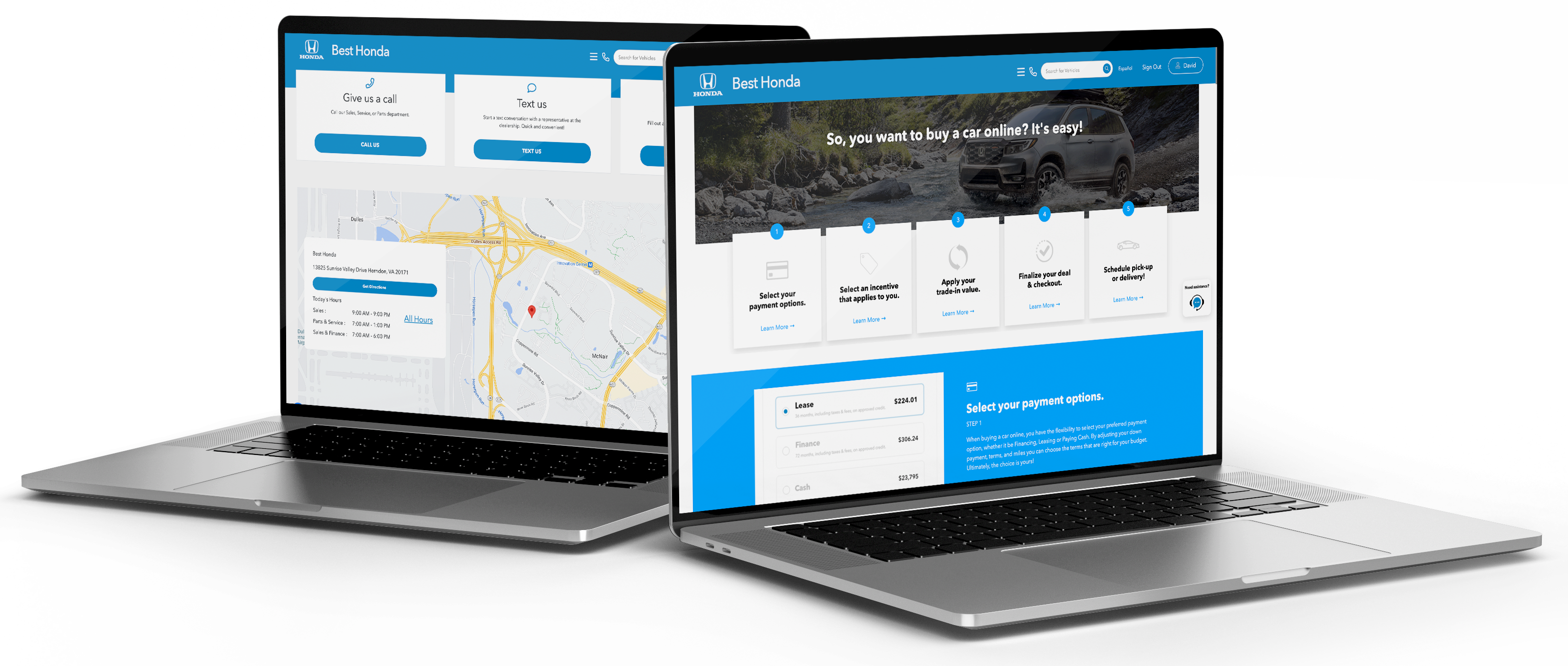
By integrating real-time trade valuation tools and direct financing portals, the platform provides clear, upfront information, reducing the negotiation friction and uncertainty that often sours the dealership experience. Customers can get pre-approved, understand their payments, and lock in a trade-in value from the comfort of their home. This streamlined digital retailing experience, which extends all the way to home delivery, caters directly to the modern buyer, of whom over 65% now conduct a significant portion of their vehicle shopping online.
A Blueprint for the Future of Auto Retail?
As the automotive industry continues its rapid digital transformation, the pressure on traditional dealerships to compete with direct-to-consumer powerhouses like Carvana and Amazon Autos is immense. The consensus among industry analysts is that success will hinge on adopting technology that simplifies the customer experience and breaks down internal silos. Team Velocity’s integrated ecosystem appears to be a direct response to this evolutionary pressure.
By creating a single, cohesive platform that manages the entire customer lifecycle—from marketing and sales to service and retention—Apollo provides dealers with a toolset to offer a competitive, modern retail experience. Its use of AI and predictive analytics to deliver hyper-personalized campaigns and identify high-value leads aligns with the broader industry trend toward data-driven operations.
The strategy of deep, native integration rather than a collection of loosely connected widgets could represent a crucial step forward. It not only addresses the immediate problems of slow websites and frustrated customers but also provides a scalable foundation for future innovations. As consumer expectations for seamless, digital-first experiences continue to rise, comprehensive platforms that unify the fragmented world of automotive retail may not just be an advantage, but a necessity for survival.
Source: BriefGlance