AI Is Everywhere — But Connection Is What Dealers Actually Need
DMSC 2026 Recap & Industry Perspective
Straight from the Show Floor
If there was one word you heard nonstop at DMSC this year, it was simple: AI.
Not sprinkled into conversations…everywhere. On slides, in demos, in hallway conversations between sessions. But what made this year different wasn’t the volume. It was the shift in attitude.
Last year, dealers were curious. This year, dealers were practical.
They weren’t asking “Do I need AI?”
They were asking “How do I use AI without making everything harder?”
Because that was the real theme of DMSC 2026: not more tools, better connection.
What We Heard: AI isn’t the breakthrough anymore. Making it useful is.
AI Was Everywhere — But Not Always Useful
AI showed up in everything: lead response, customer messaging, audience targeting, workflow automation, reporting, search visibility.
But one message kept surfacing, AI isn’t magic.
If your workflows are messy, if your systems aren’t connected, if your data isn’t clean, AI doesn’t fix those problems. It magnifies them.
The dealers seeing real results with AI aren’t stacking tools. They’re fixing foundations, cleaning data, connecting workflows, simplifying systems.
What We Heard: AI without connection is just faster chaos.
The Tech Stack Tipping Point
For years, the industry default was simple: add another tool.
Need better leads? Add a tool.
Need better communication? Add a tool.
Need better reporting? Add a tool.
And now dealers are living with the results, too many vendors, too many dashboards, too many logins, and not enough clarity. This year felt like a turning point. Dealers aren’t asking for more. They’re asking for less duplication, less manual work, more connection, and more accountability. Because the real cost of a bloated tech stack isn’t even the money anymore. It’s the time. And time is the one thing every dealership is short on.
What We Heard: The future isn’t more technology. It’s better-connected technology.
The Whack-A-Mole Website Problem
Website performance became one of the most honest conversations at the show and it wasn’t about design. It was about friction.
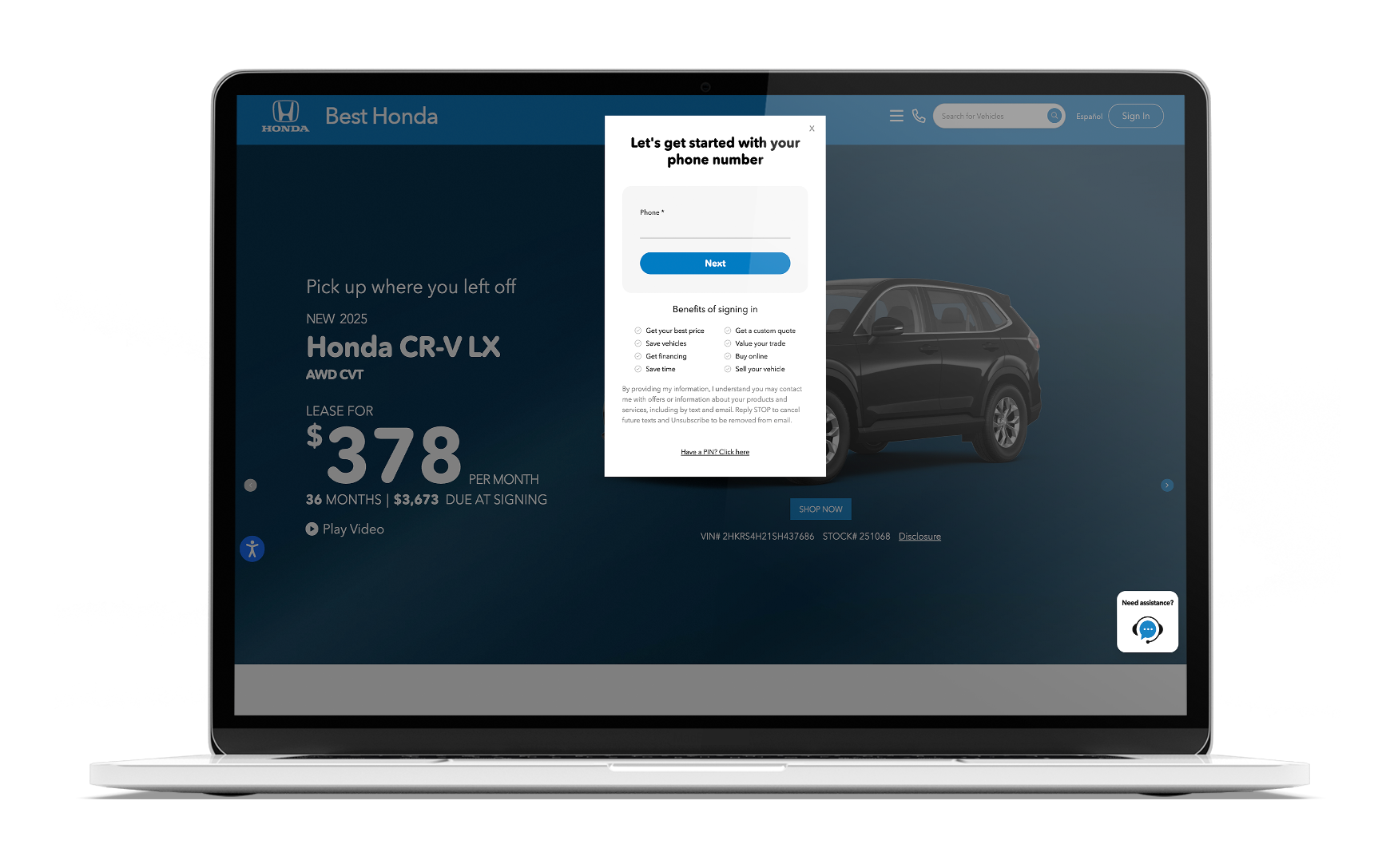
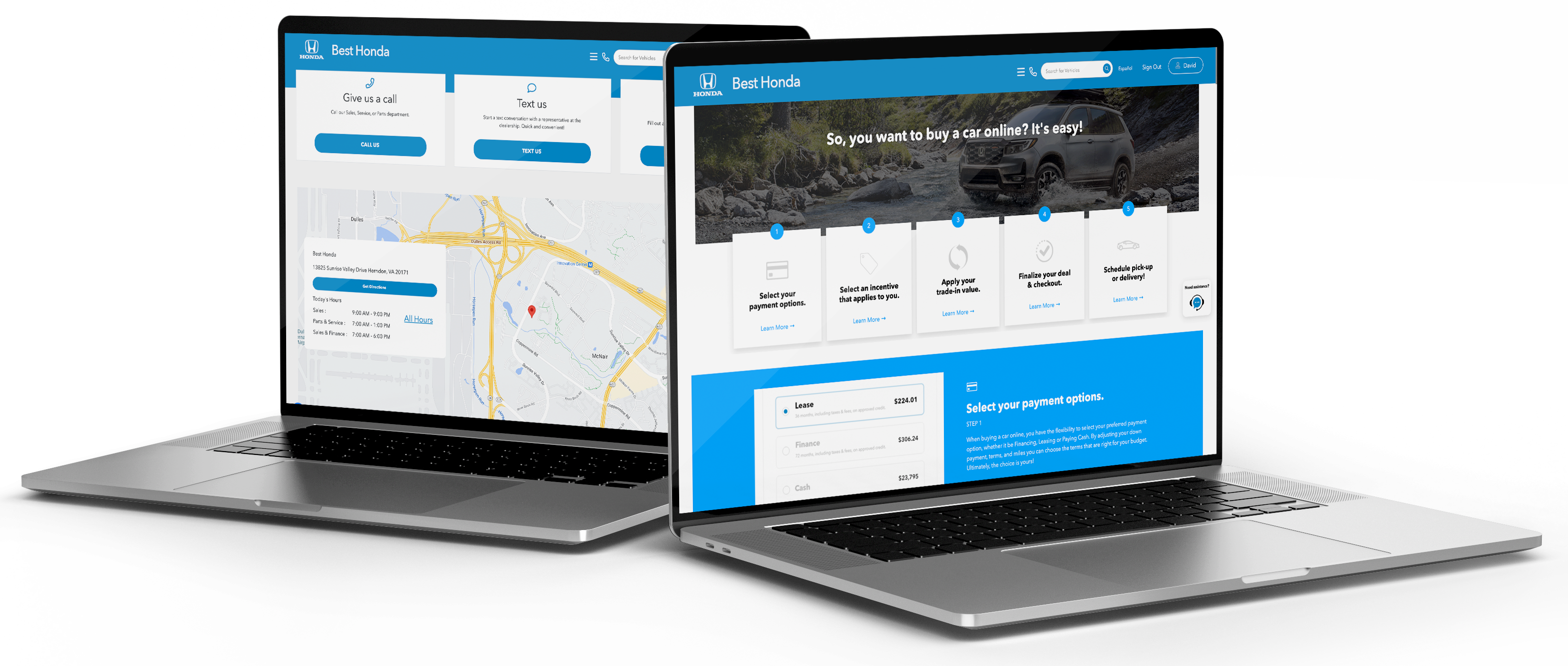
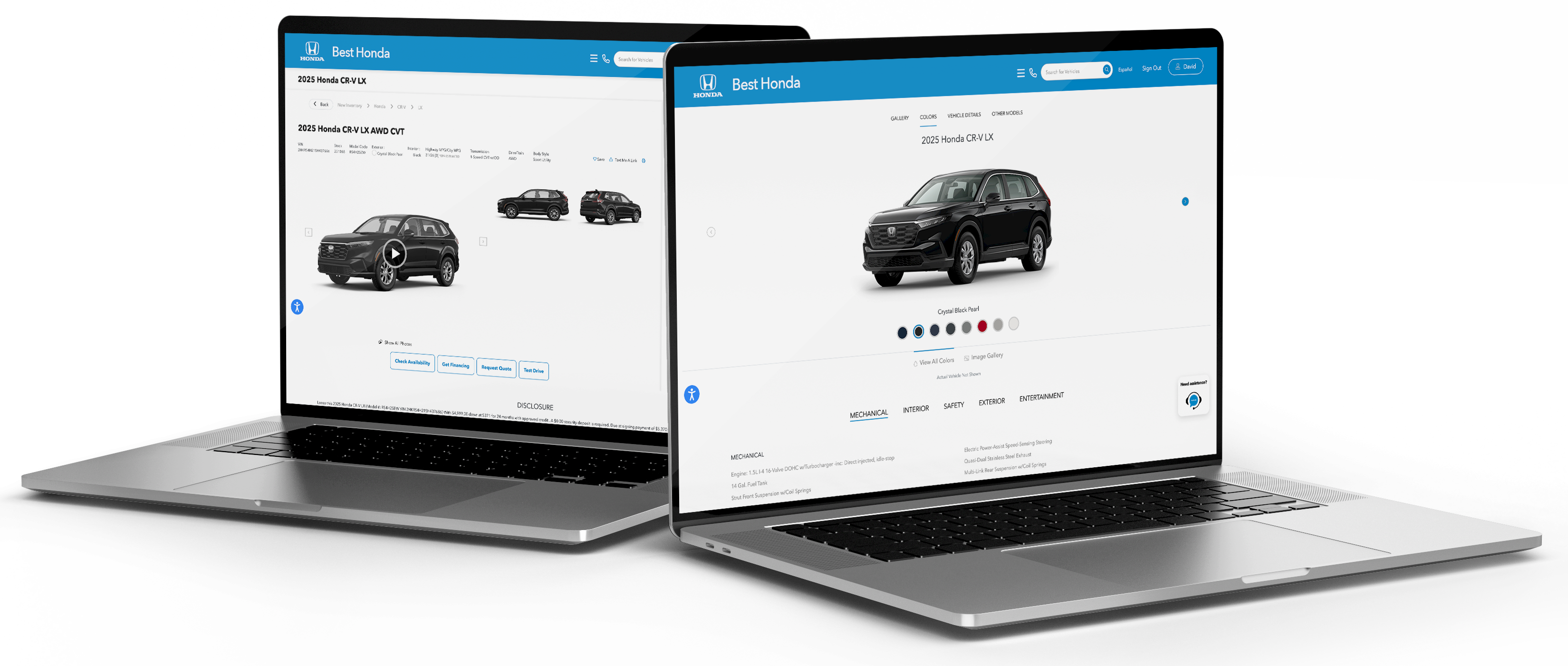
Most dealership websites today look like a game of whack-a-mole. Every vendor wants visibility, so dealerships keep adding pop-ups, widgets, chat tools, trade tools, and floating CTAs until the experience slows down and customers leave.
The uncomfortable reality? The average dealership website still converts only 1% to 3% of visitors. That’s not a traffic problem, that’s a friction problem.
What We Heard: The fastest websites win. The cluttered ones lose.
Transparency Became a Trust Strategy
Another theme that surfaced repeatedly: trust now starts with transparency.
Today’s shoppers spend hours researching before they ever walk into a dealership, comparing pricing, reviewing payments, evaluating options. So when they arrive, they expect consistency. If pricing changes, if payments shift, if expectations don’t match reality, trust disappears instantly.
Transparency isn’t just compliance anymore. It’s a customer experience.
What We Heard: Clear pricing isn’t optional. It’s expected.
Data Isn’t the Problem — Disconnected Data Is
Dealers don’t lack data.
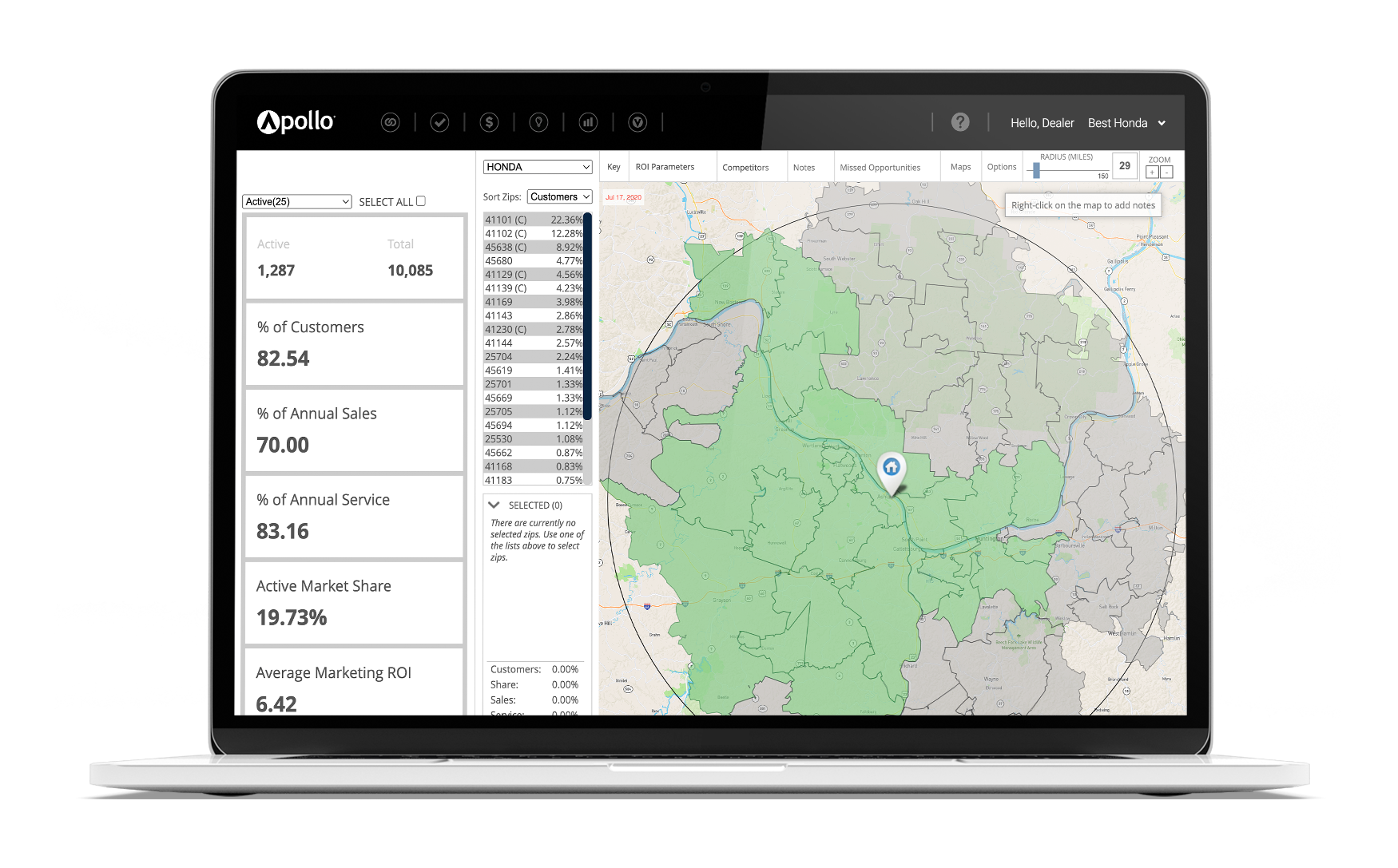
They’re overloaded with it — CRM data, website data, advertising data, service data. But when that data lives in separate systems, everything slows down. Targeting weakens. Reporting gets messy. Personalization falls flat. AI loses accuracy.
The dealers pulling ahead aren’t collecting more data. They’re connecting what they already have, because connected data creates momentum. Disconnected data just creates noise.
What We Heard: Data creates value when it moves, not when it sits.
Your Website Now Has Two Customers
One of the biggest mindset shifts this year: your website isn’t just for people anymore. It’s for machines too.
Search is changing. Customers are asking questions and AI tools are delivering answers, which means websites need to do more than look good. They need to load fast, structure data properly, and keep information accurate. Because if machines can’t read your site, they can’t recommend it. And if you’re not recommended, you’re invisible.
What We Heard: Visibility isn’t about ranking anymore. It’s about being selected.
Guesswork Is Getting Replaced
One of the most encouraging shifts this year: dealers are moving beyond activity metrics.
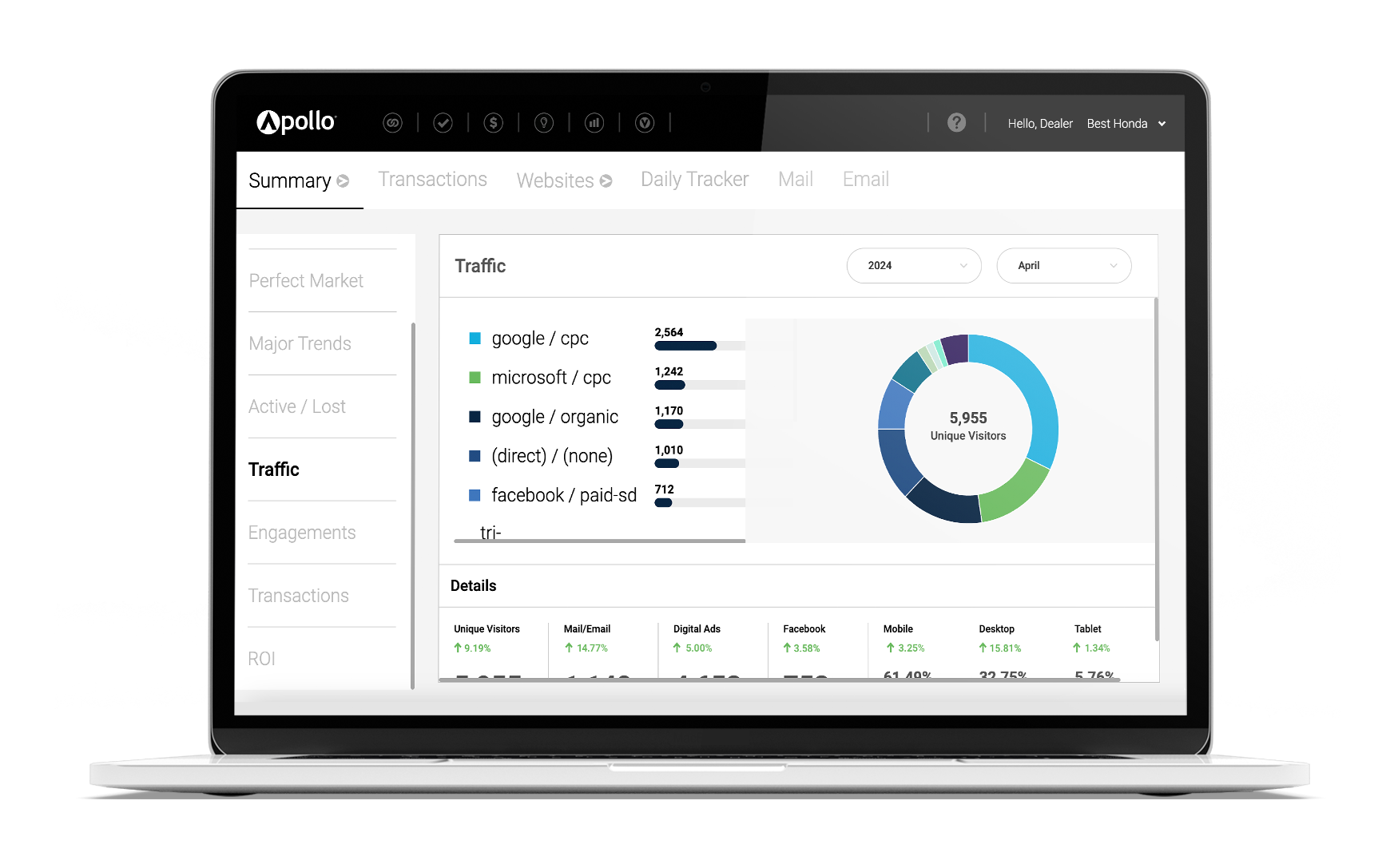
Clicks aren’t enough. Traffic isn’t enough. Leads aren’t enough. What matters now is conversion, connection, appointments, sales, and retention because reports don’t drive revenue. Results do.
What We Heard: The scoreboard is changing and revenue is the only number that matters.
The Real Theme of DMSC 2026
Yes, AI was everywhere. But that wasn’t the real story.
The real story was what AI exposed, disconnected systems, slow workflows, cluttered websites, fragmented data. AI didn’t create those problems. It revealed them. And that revelation is forcing dealerships to rethink their foundation, not just their tools.
If DMSC 2026 made one thing clear, it’s this: you don’t need more tools. You need better systems.
Clean your data. Speed up your website. Simplify your tech stack. Connect your workflows. Measure real outcomes. Use AI where it removes friction, not where it adds noise. Because complexity slows progress. Connection drives growth.
What We Heard: The biggest gains won’t come from new tools, they’ll come from fixing what’s already broken.
The Bottom Line
AI isn’t coming. It’s already here, and it’s touching everything — websites, communication, search, workflows, and customer experience.
But AI alone won’t fix your dealership. Connected systems will. Clean data will. Fast websites will. Smart workflows will. The dealerships that focus on those fundamentals, while using AI to remove friction, will be the ones leading the next chapter of automotive retail.
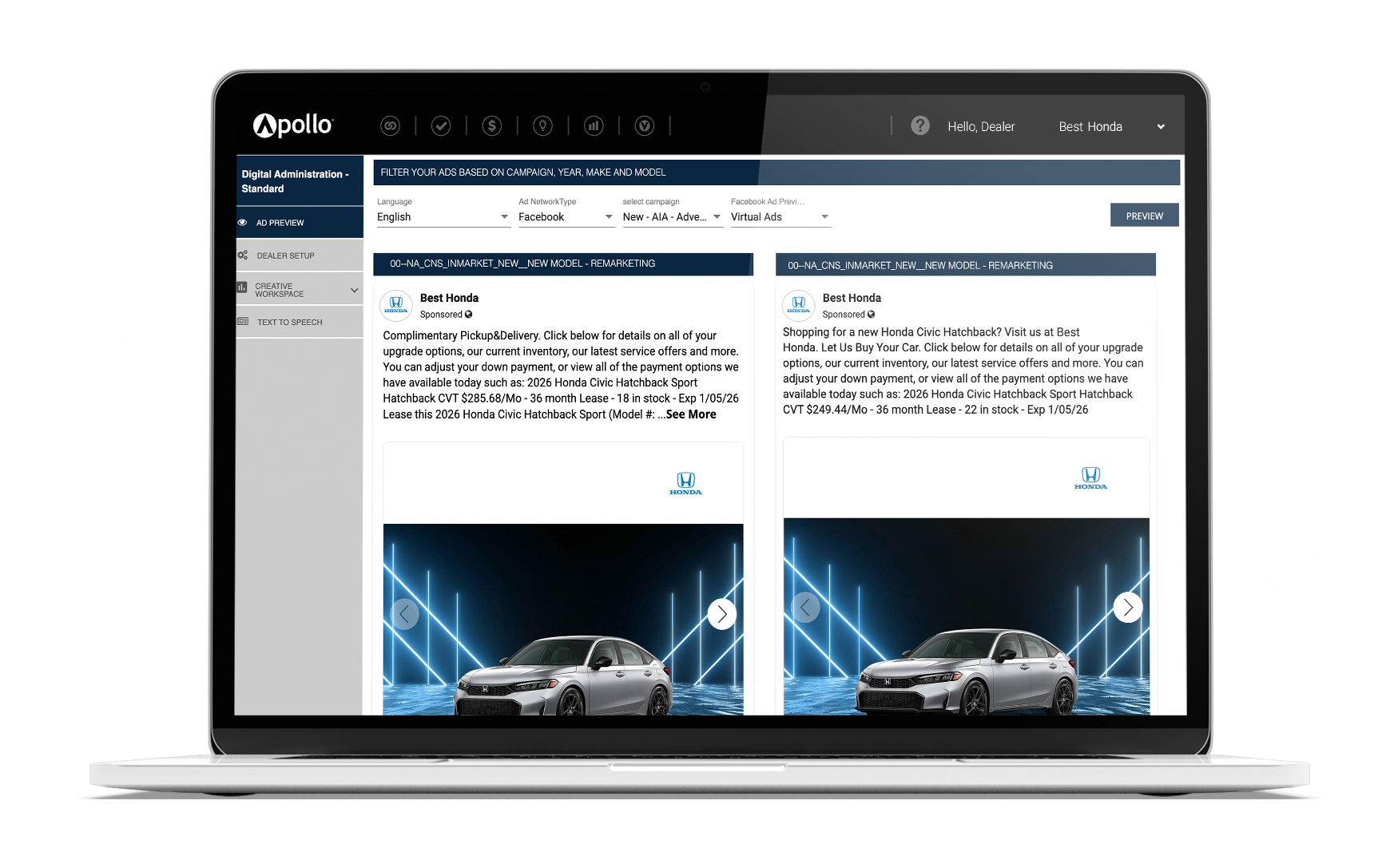
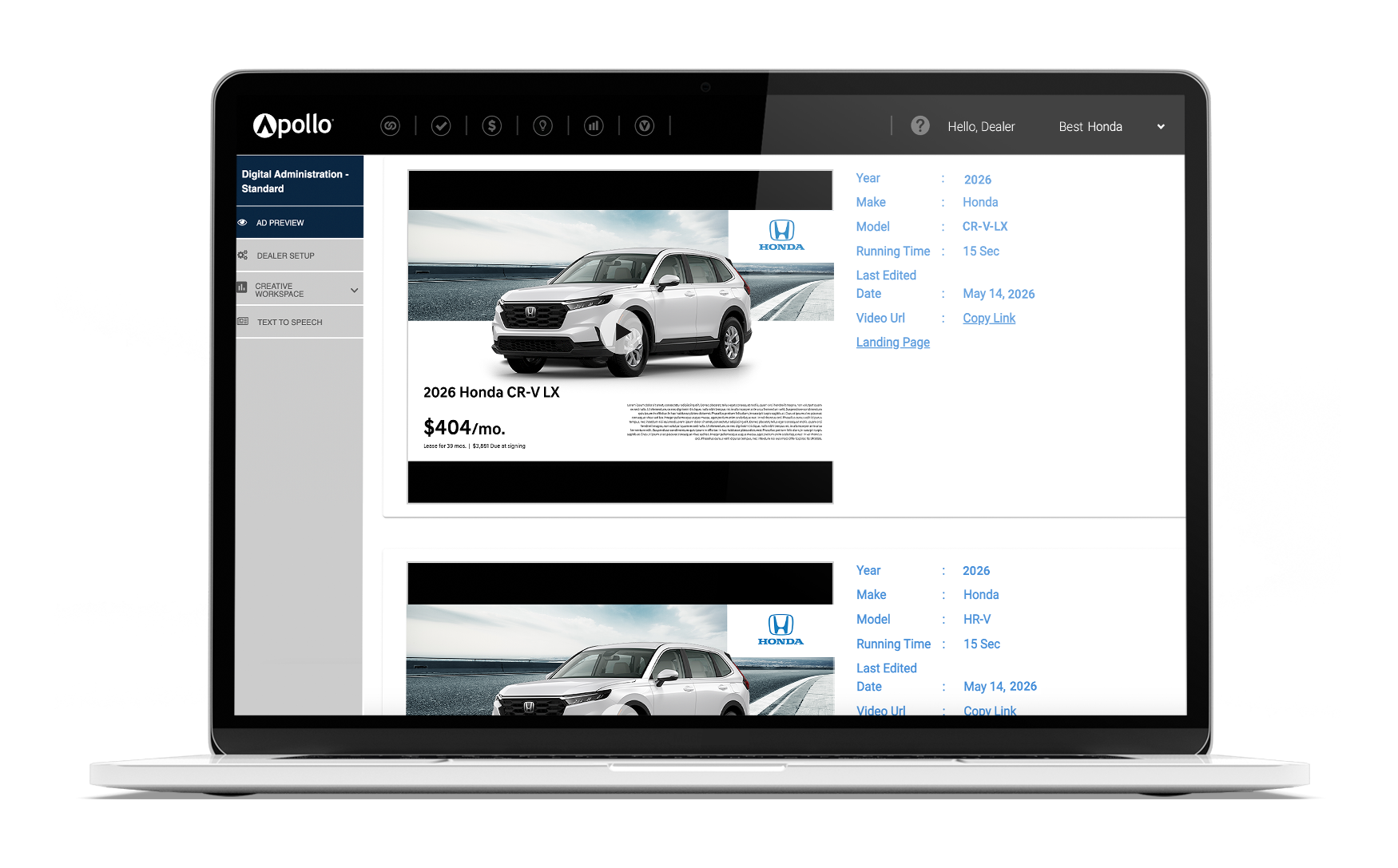
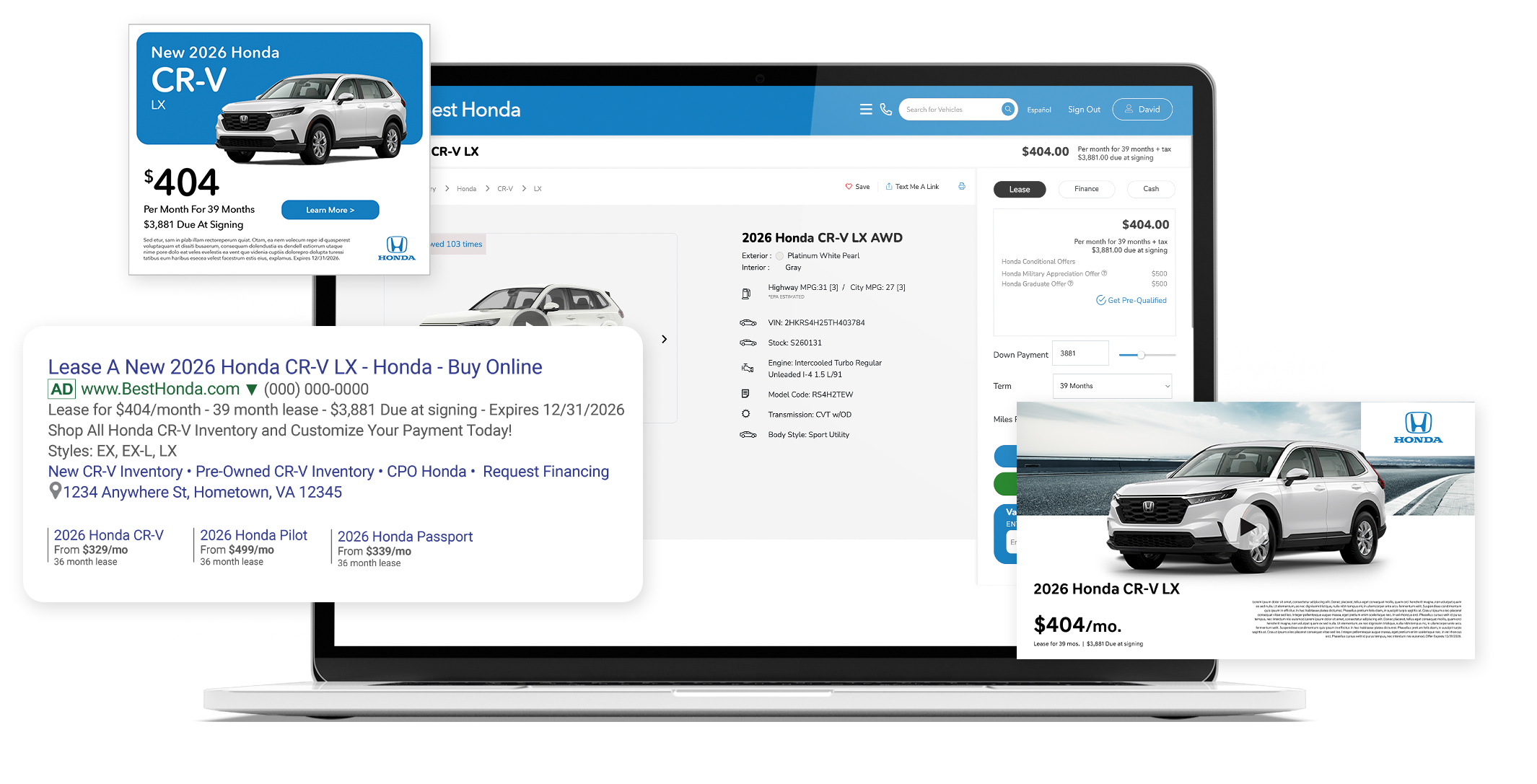
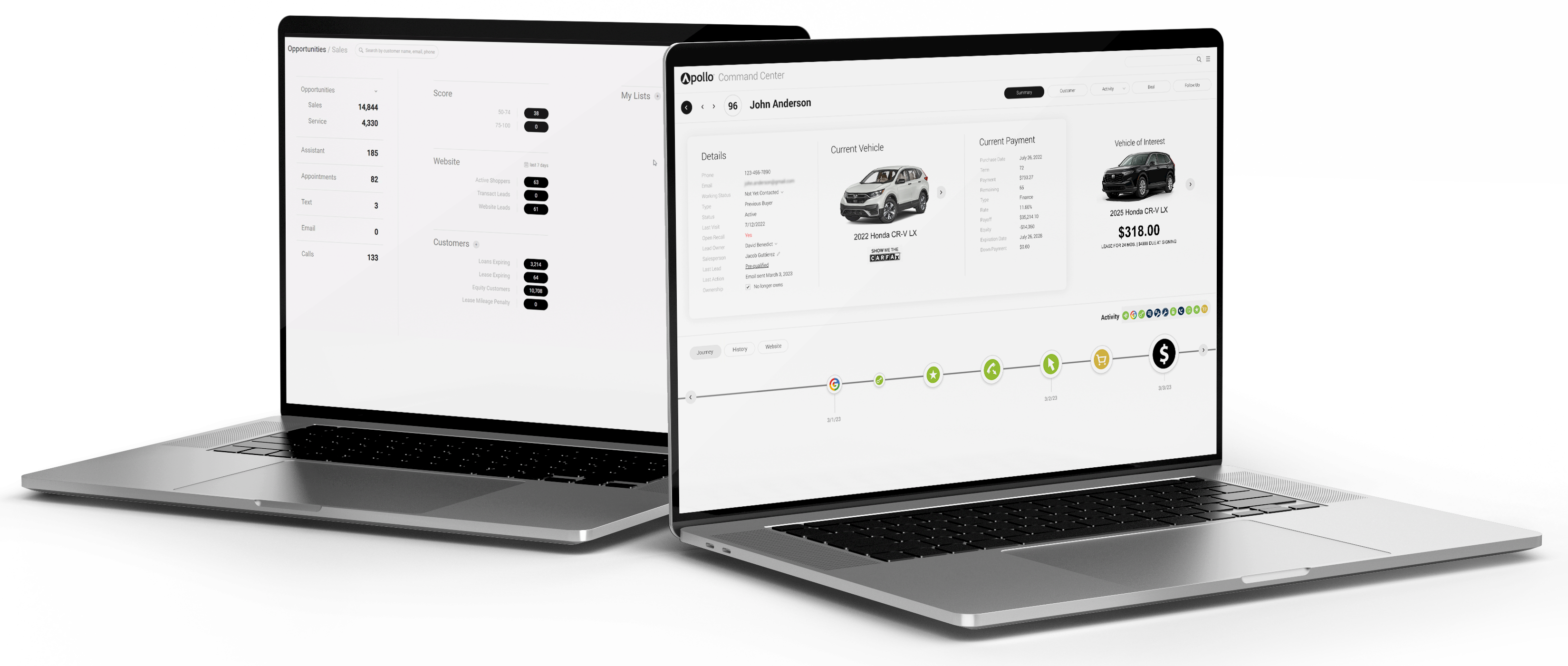
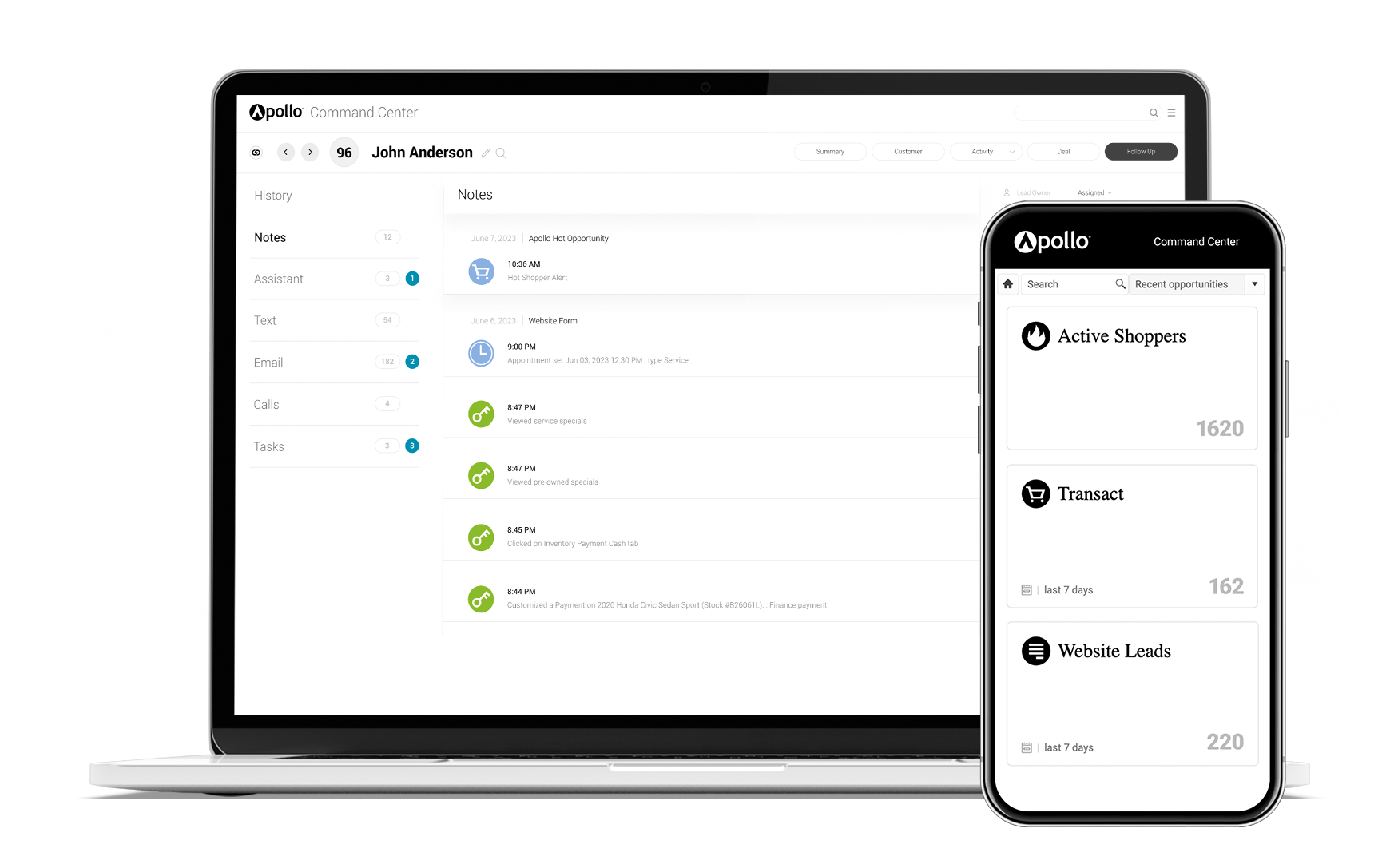
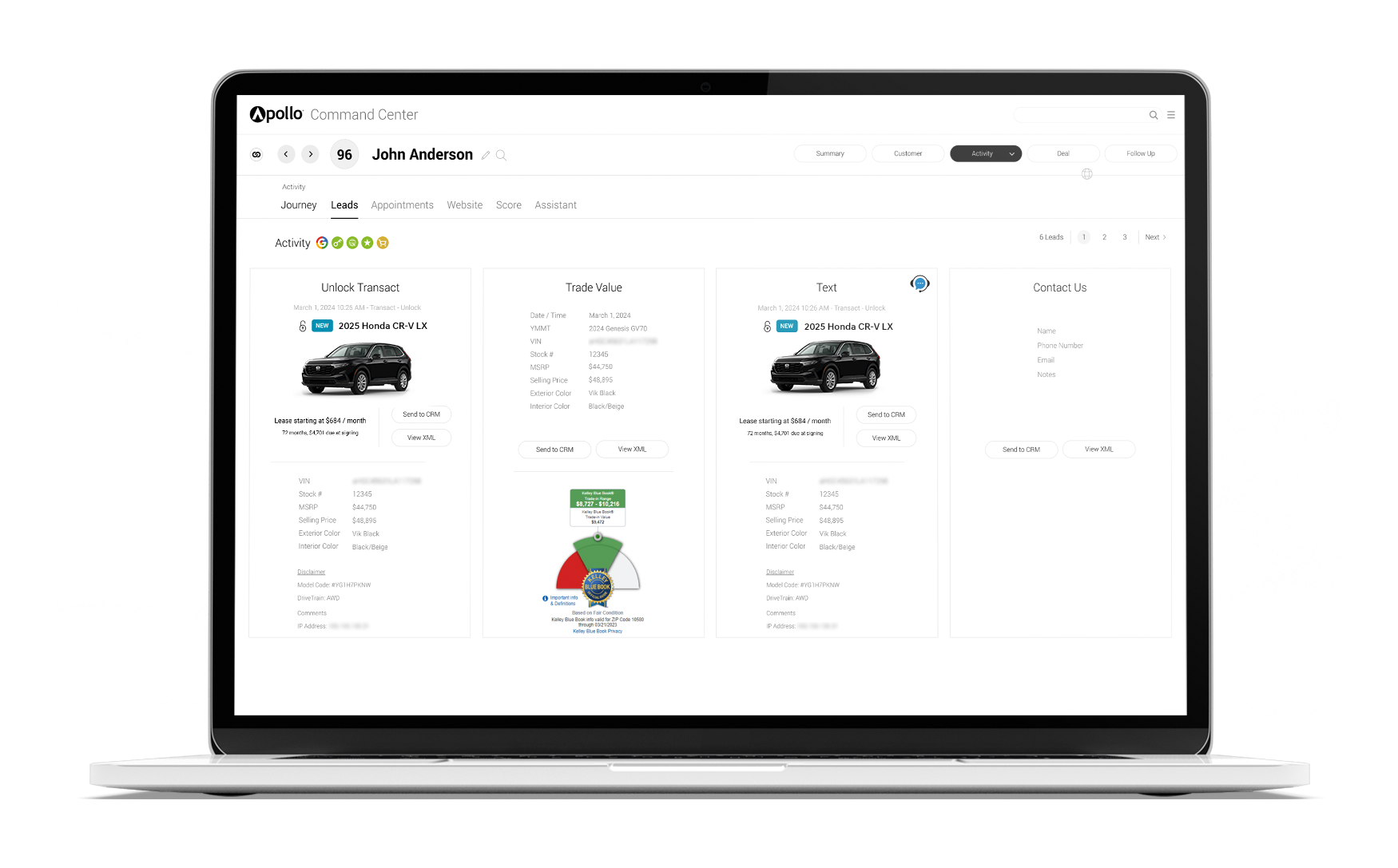
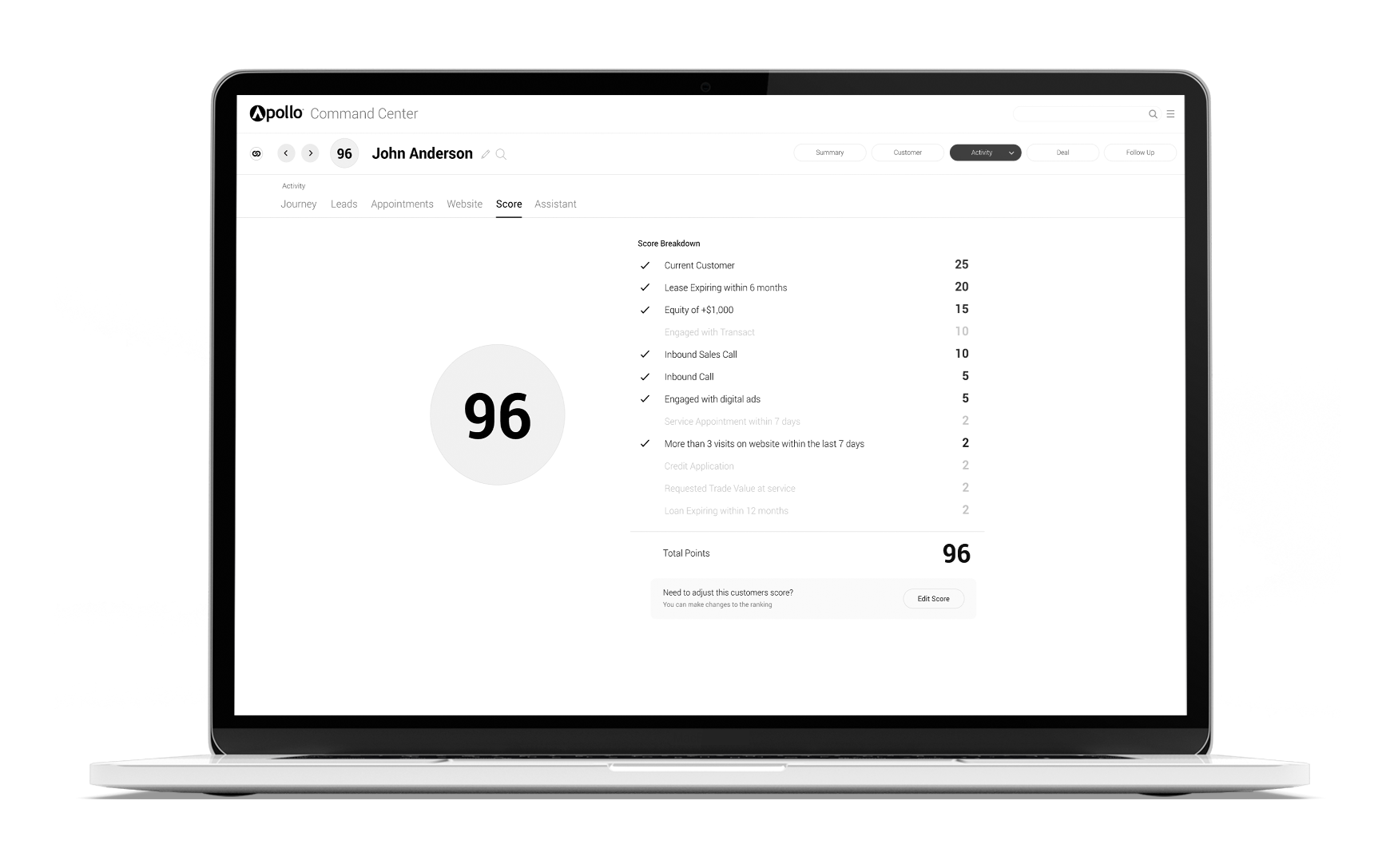
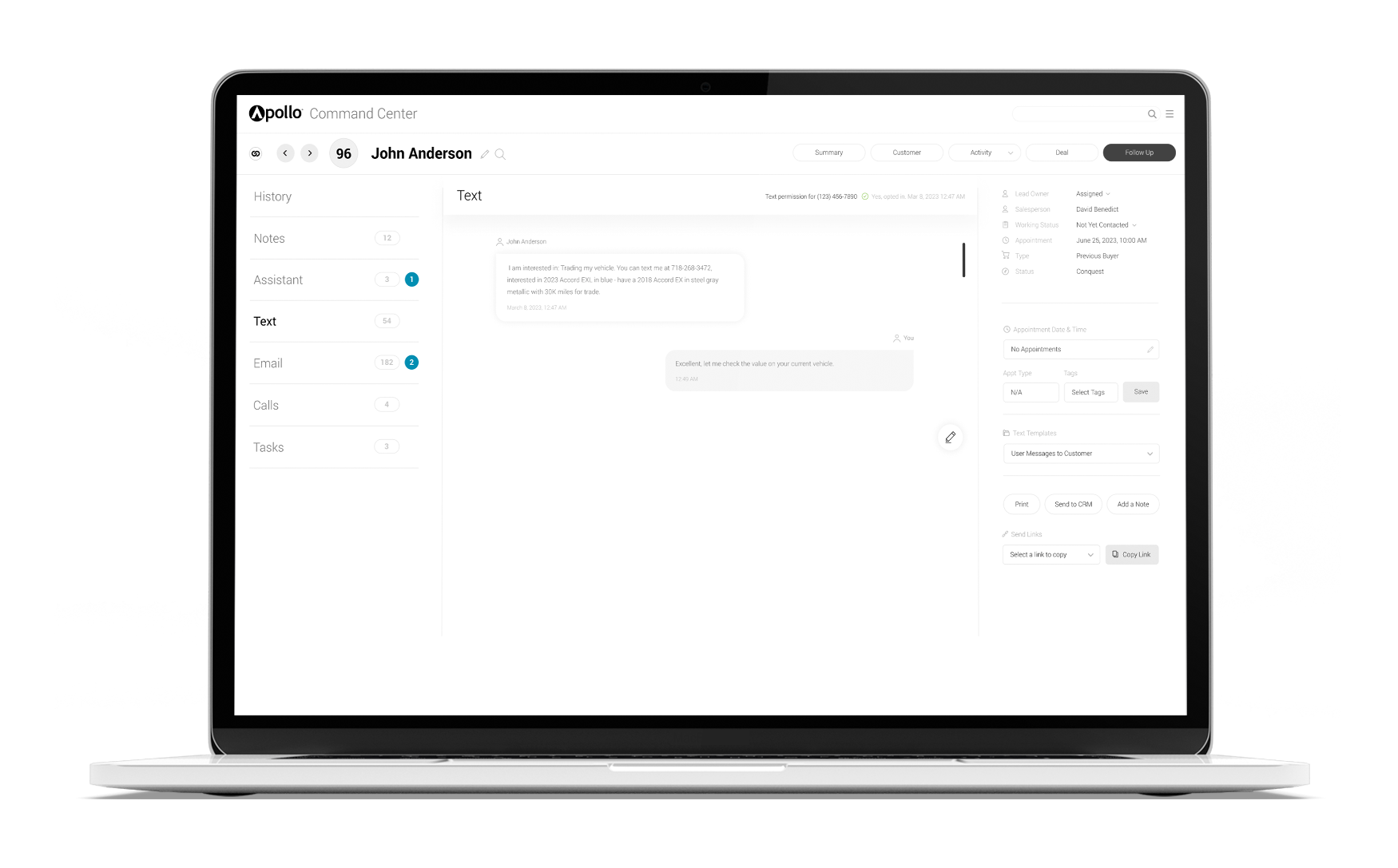
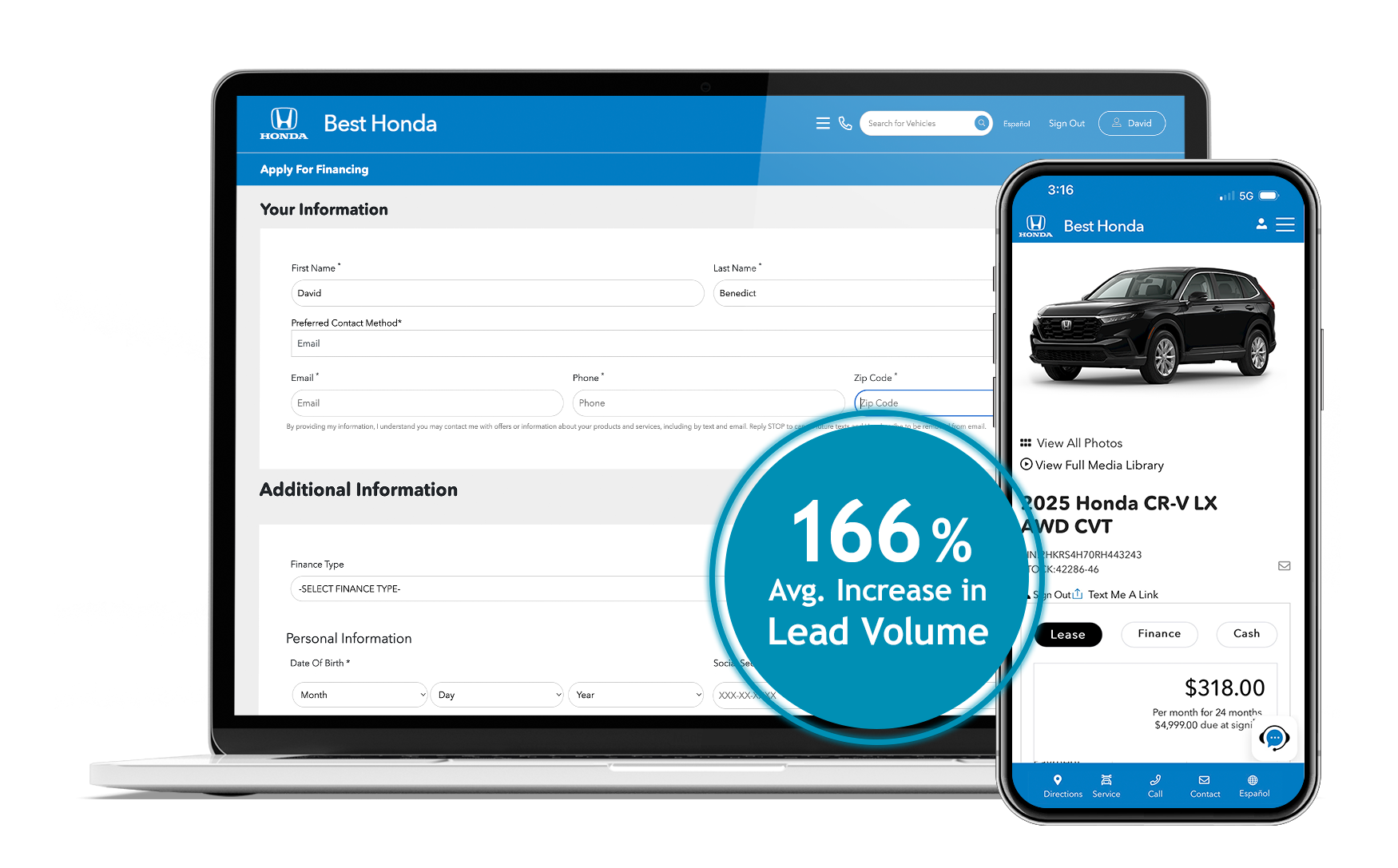
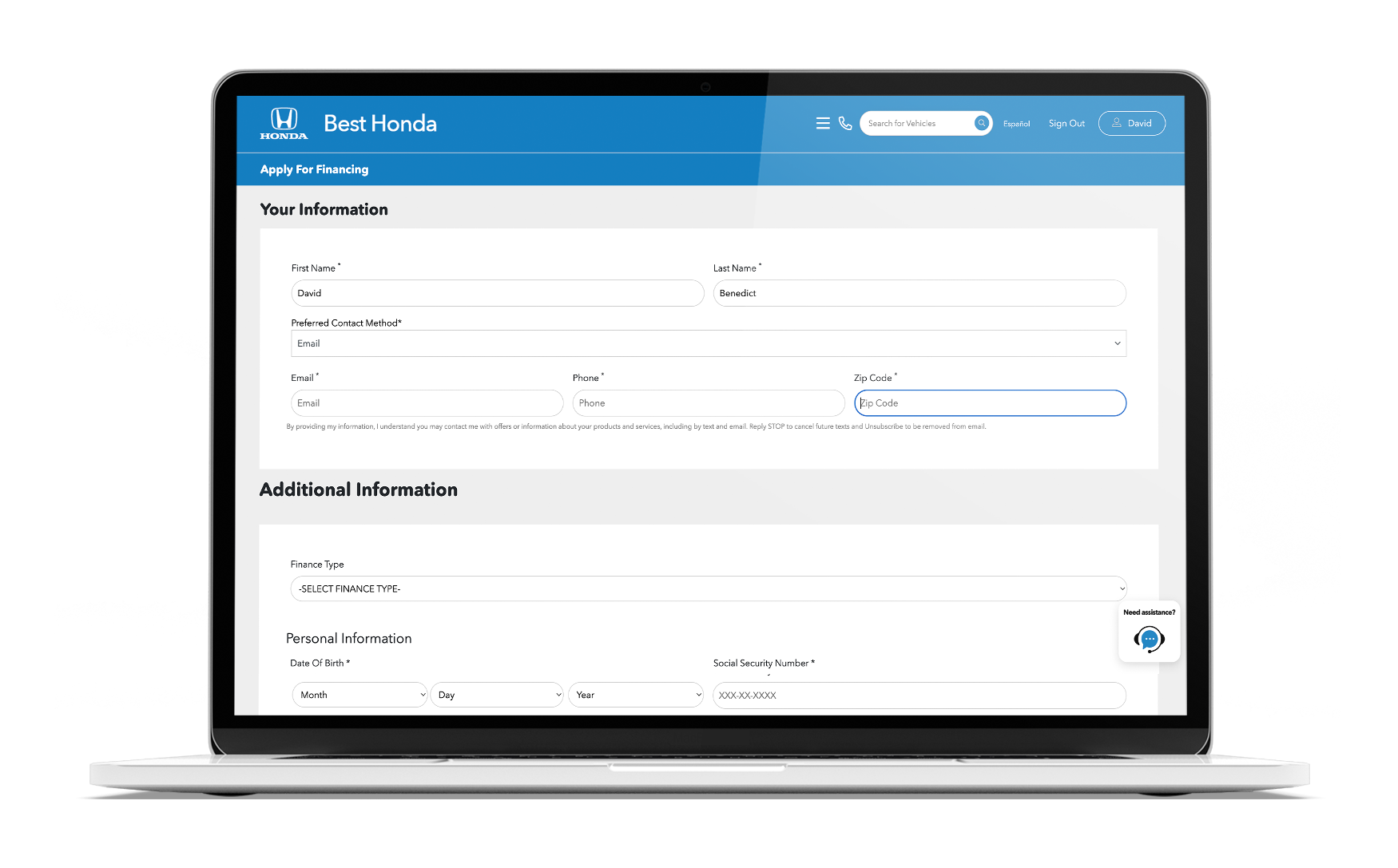
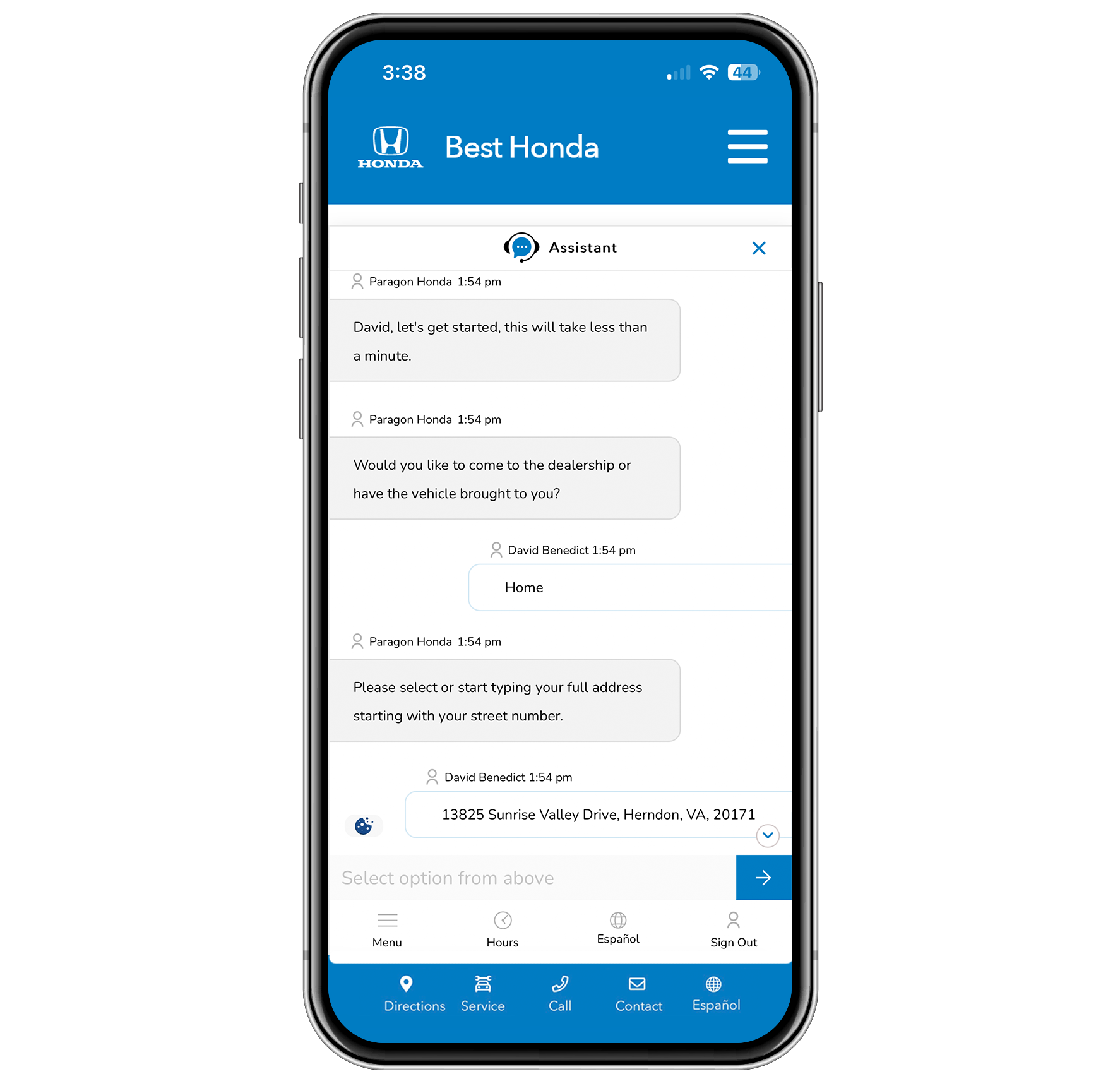
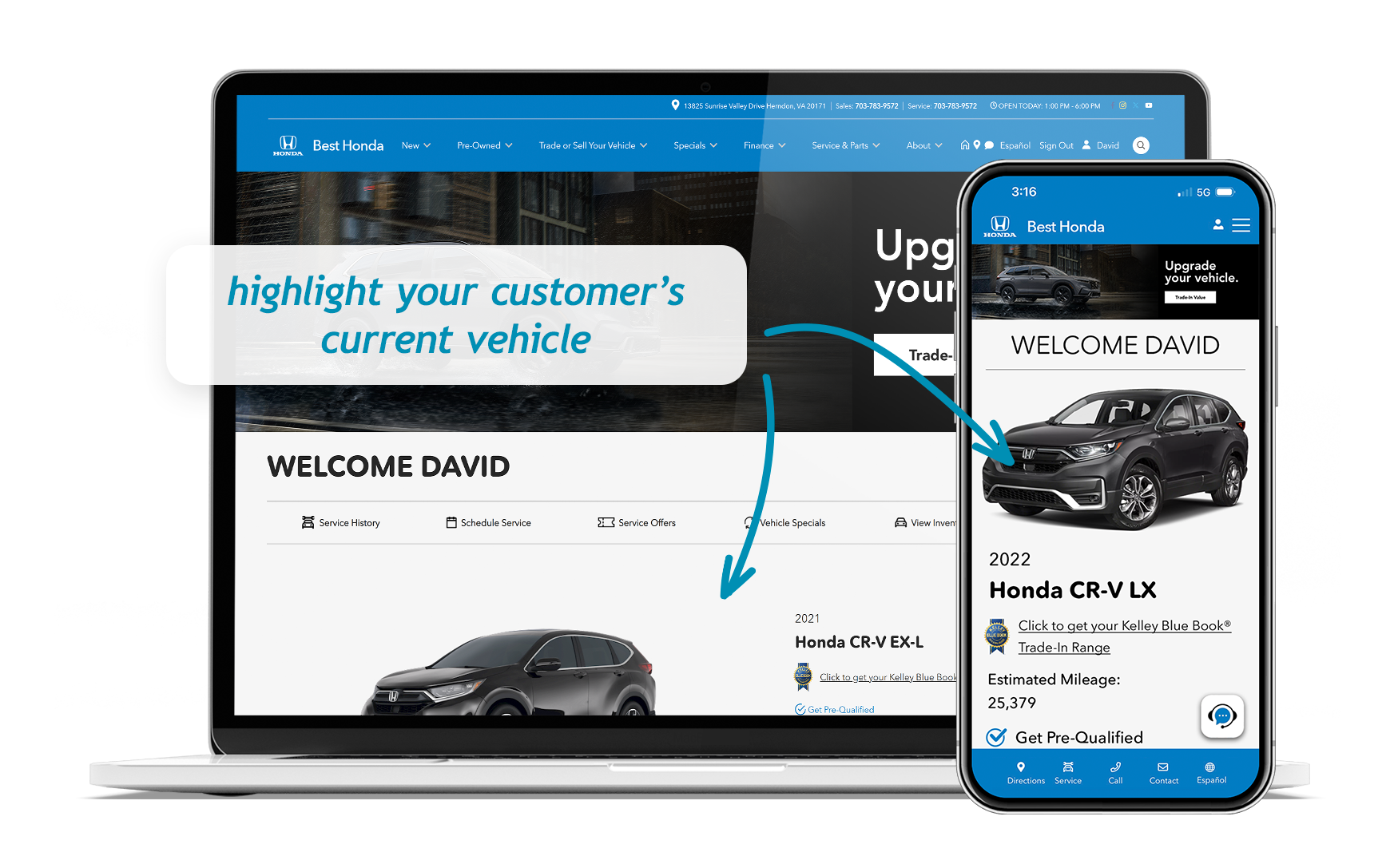
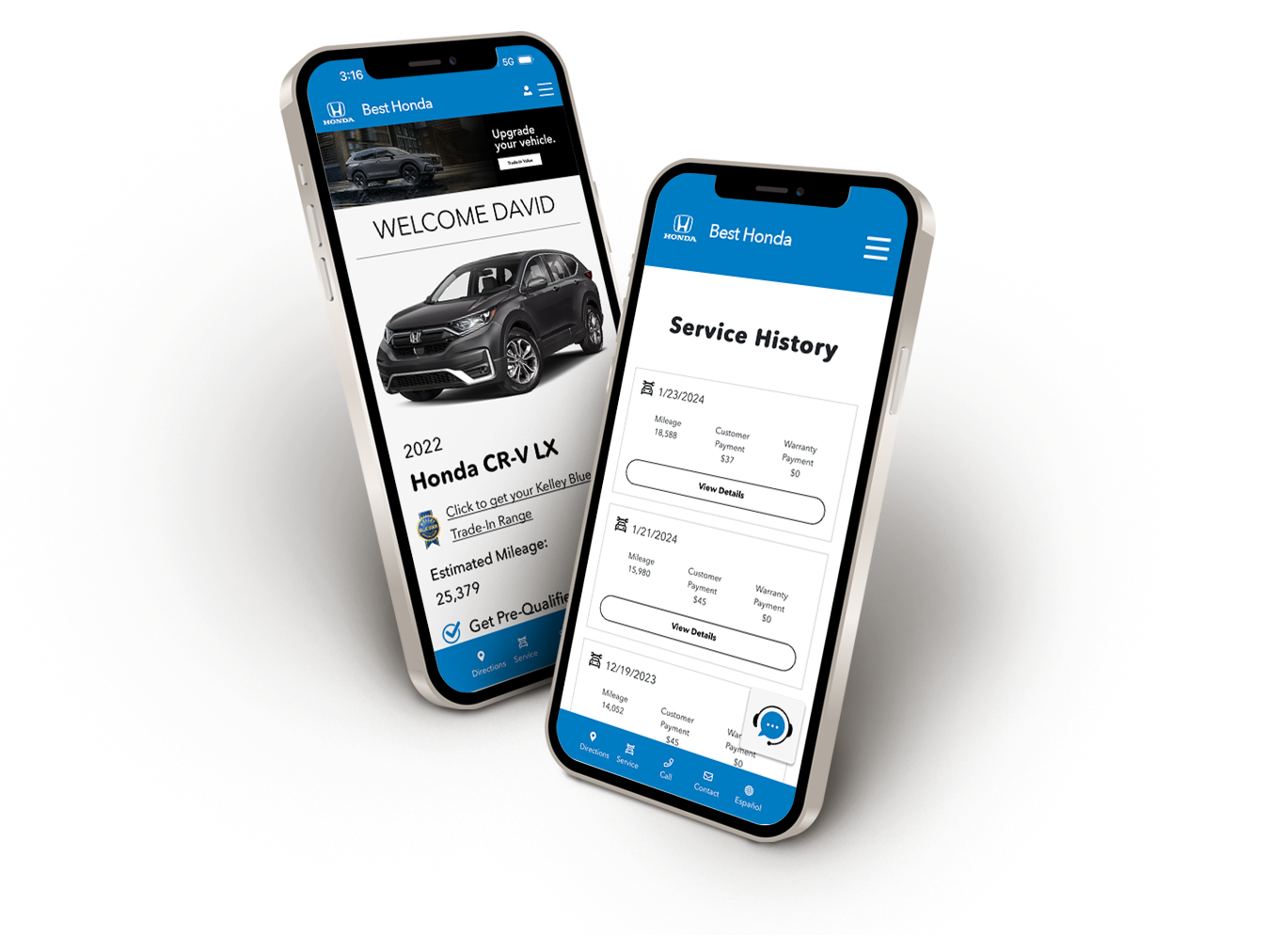
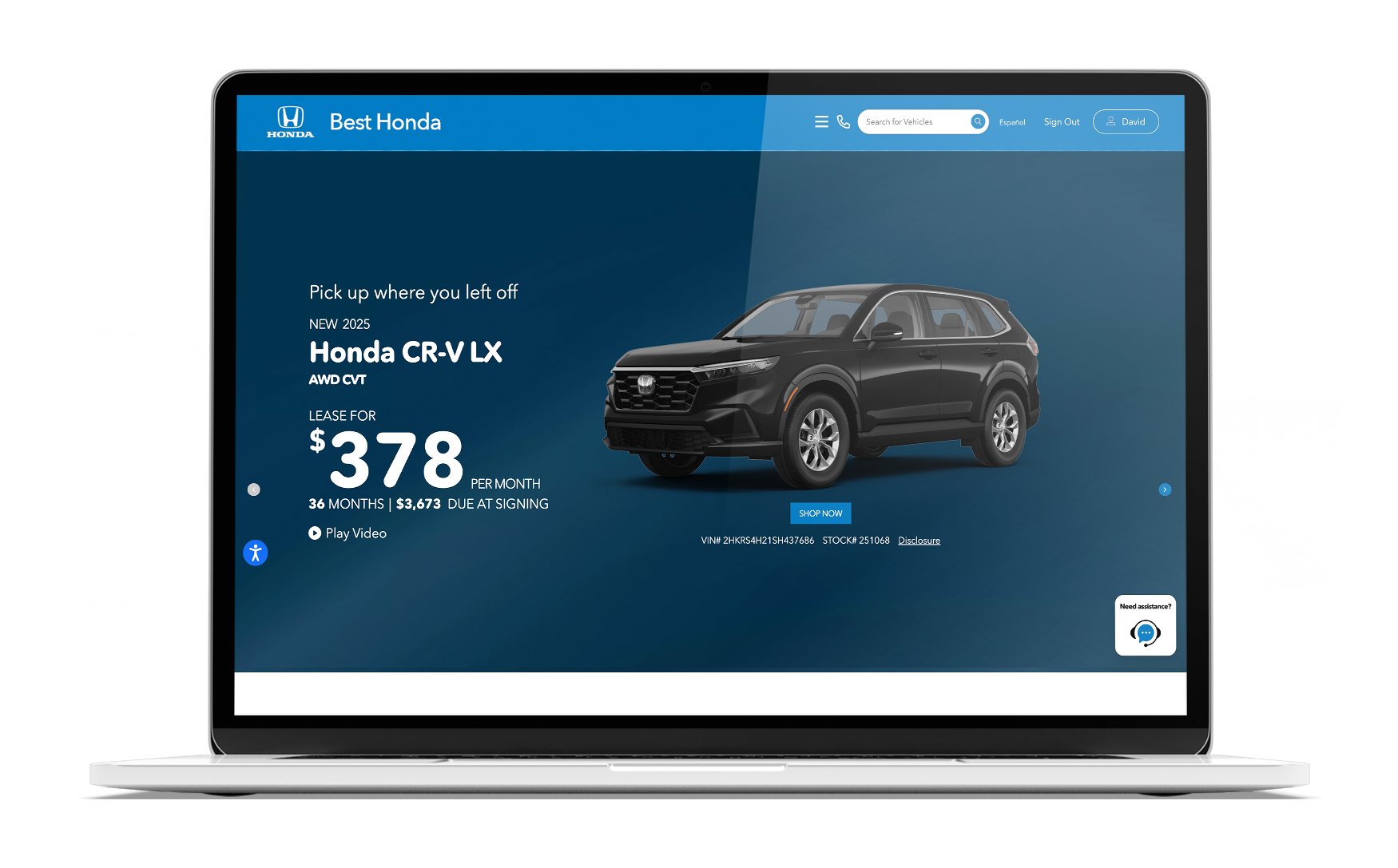
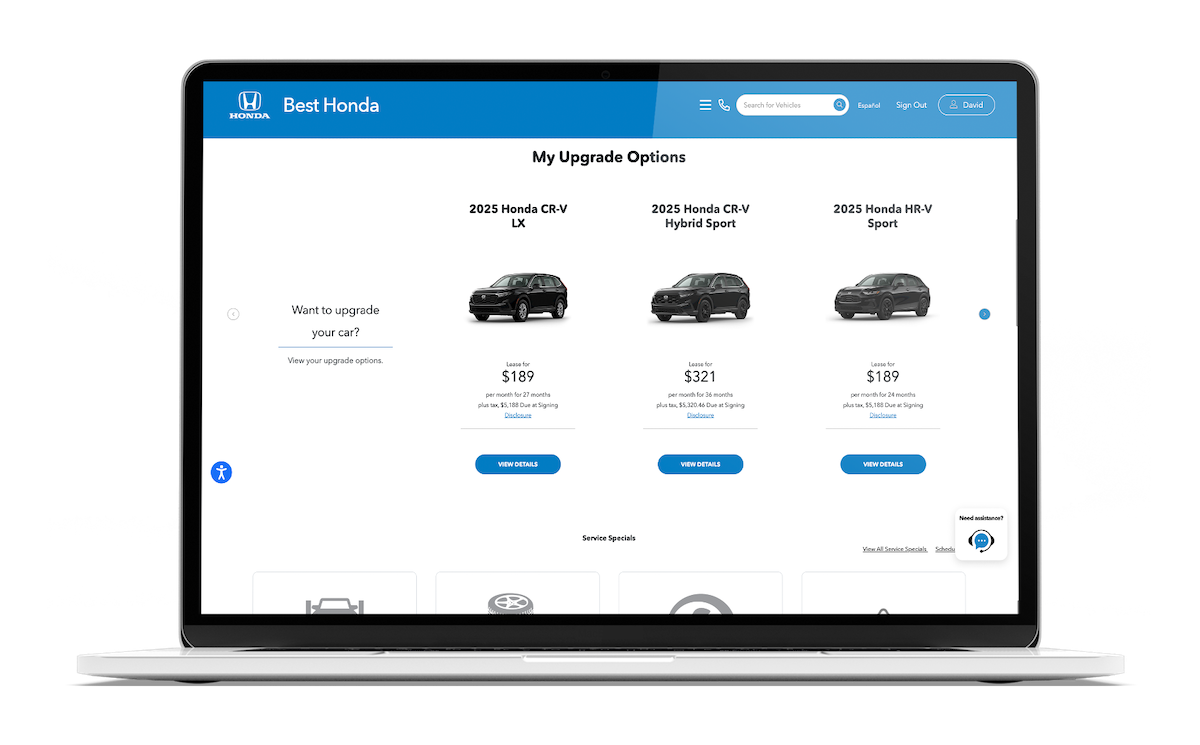
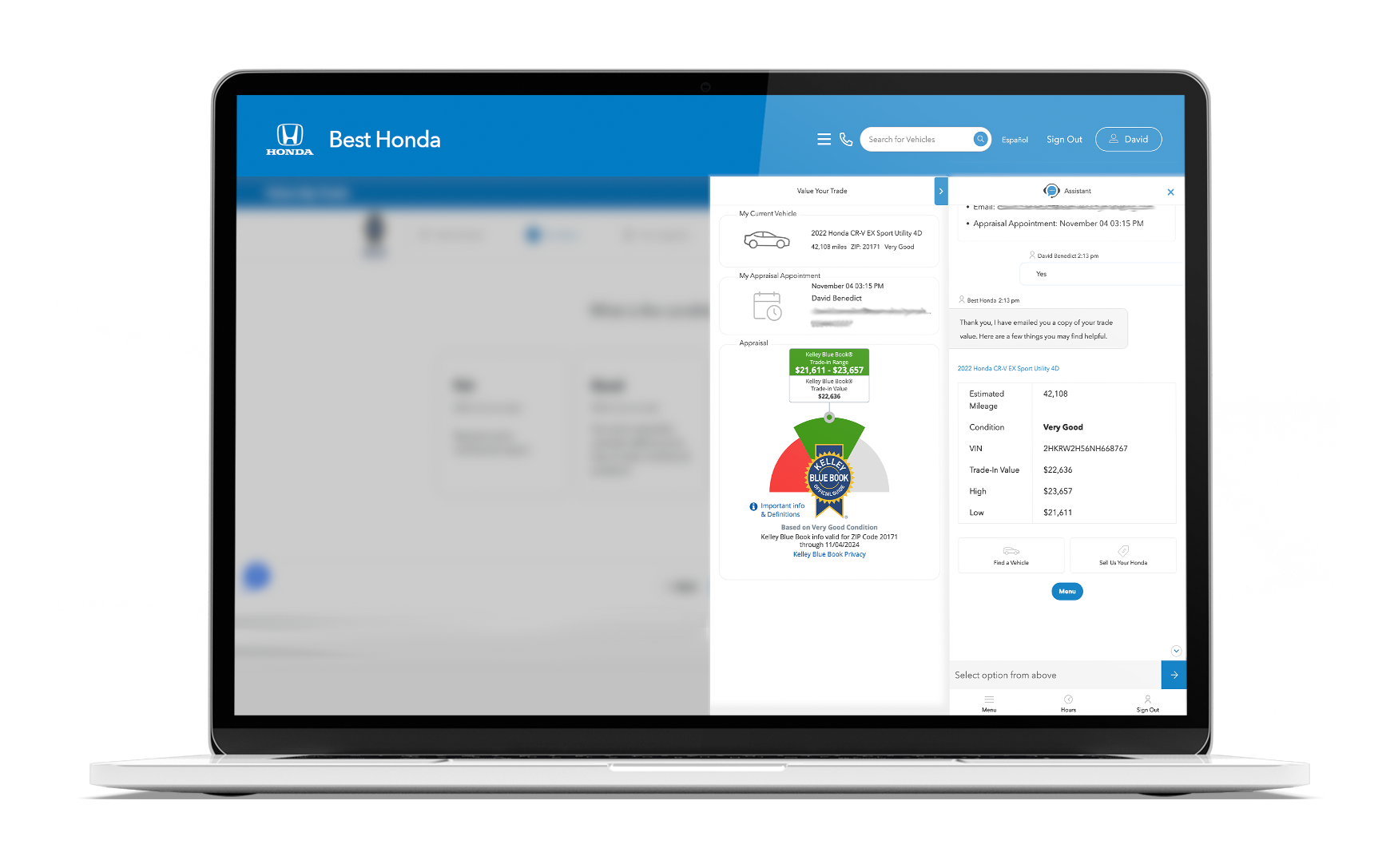
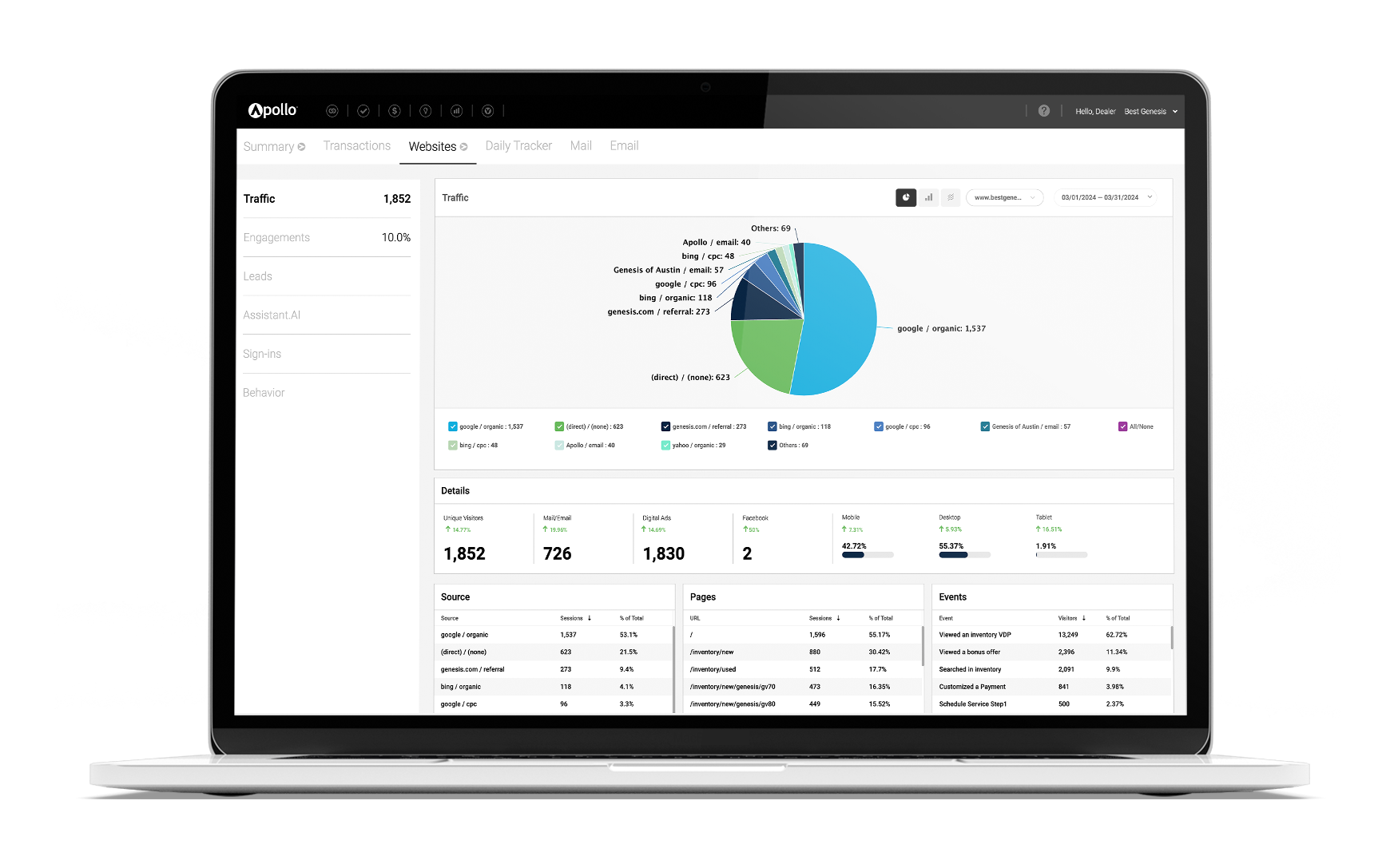
Apollo was built for exactly the challenges dealers spent all week talking about at DMSC, disconnected systems, cluttered websites, fragmented data, inconsistent experiences, and technology that creates more work instead of less.
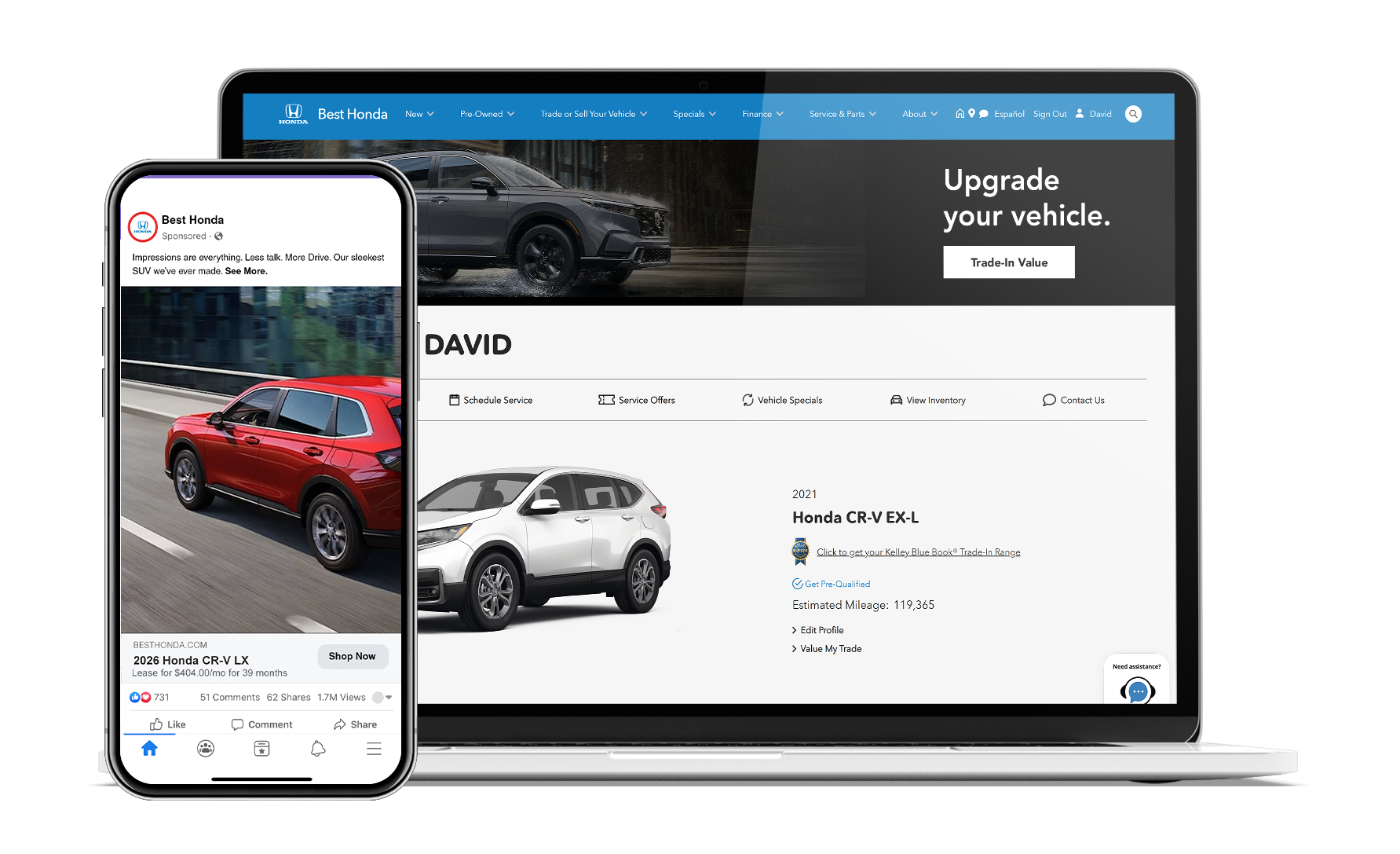
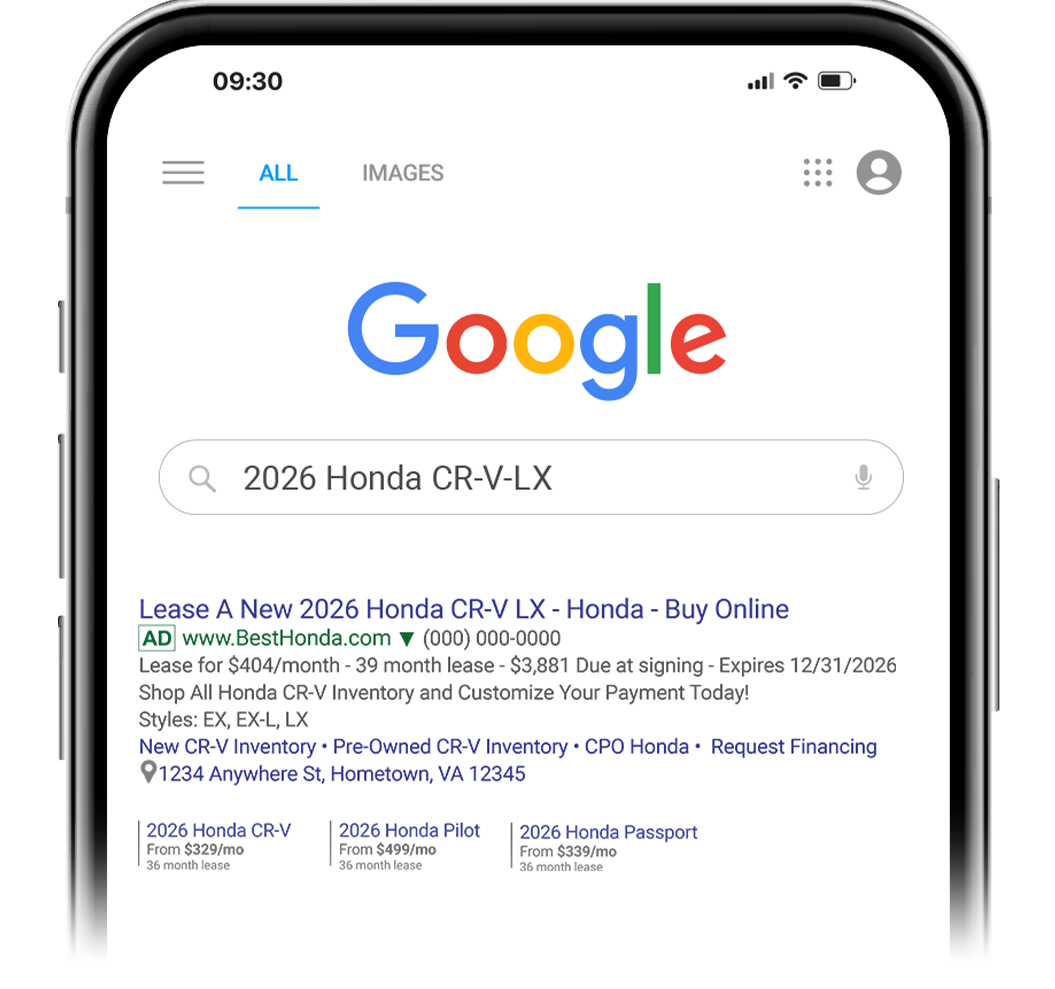
That’s why Apollo connects your website, advertising, communication, retailing, retention, and customer data into one platform designed to create faster experiences, cleaner data, smarter AI, and more measurable results.
Because the dealerships pulling ahead right now aren’t the ones stacking the most tools.
They’re the ones creating the most connected experience.
What We Heard: The future isn’t about having more technology. It’s about having technology that actually works together.