Lessons Learned On Deploying Tech In The Automotive Industry
By David Boice, Co-Founder and CEO at Team Velocity

Automotive dealers have weathered two decades of nonstop change. The industry moved from newspaper inserts and siloed databases to omnichannel journeys and unified IDs. But what hasn’t changed is the imperative dealers have to meet buyers where they are and stitch every touch into a single experience.
Based on my own decades of working in this industry, I believe the next chapter will be written by dealers who can integrate data in real time, personalize every interaction and operationalize AI without compromising customer trust.
How Technology Has Reshaped Dealerships
Twenty years ago, dealership operations were siloed. Often, marketing ran print and broadcast ads with no measurable return on investment, and service and sales kept separate databases that never spoke to each other. This resulted in a fragmented customer experience and massive operational inefficiency.
A digital wave brought websites and email, but these were just digital brochures. The real shift began when platforms started talking to one another. As customer relationship management (CRM) systems matured and inventory moved online, dealers could finally sharpen their segmentation and tie spending directly to traffic and sales.
I saw many dealers then use identity resolution to connect households to their vehicles and service history, making outreach more relevant. This unified foundation allowed for near-real-time price and incentive updates. The result was a continuous journey, where customers expected the store to continue the conversation they started online.
Lessons From Adopting New Technology
After years of guiding dealerships through digital upgrades, I’ve learned that simply buying more technology doesn’t always mean better results. The market is flooded with “solutions” that promise transformation but often just add complexity and cost. The real challenge is separating the tools that create measurable value from those that just create noise. So here are things you must remember:
1. Ensure technology always solves a specific problem.
Centering your processes on this principle is the most important lesson. Always think about whether the new tool you’re looking at can help reduce customer acquisition costs significantly, enhance service bay retention or provide more reliable reporting for the business. For example, I’ve observed some modern dealerships using AI-driven, data-informed email campaigns to strengthen their connection with customers. This strategy can have a tangible effect on profits.
2. Remember that true resilience comes from simplification, not a bigger toolkit.
As market volatility made guesswork a liability, I saw a number of operators streamline their approach. Retire tactics that no longer generate revenue, and consolidate your operations into systems that can sync in real time. This type of clarity can allow you to test changes methodically, protect margins and confidently redirect spending toward what works.
3. Deliver clarity via a smooth procedure.
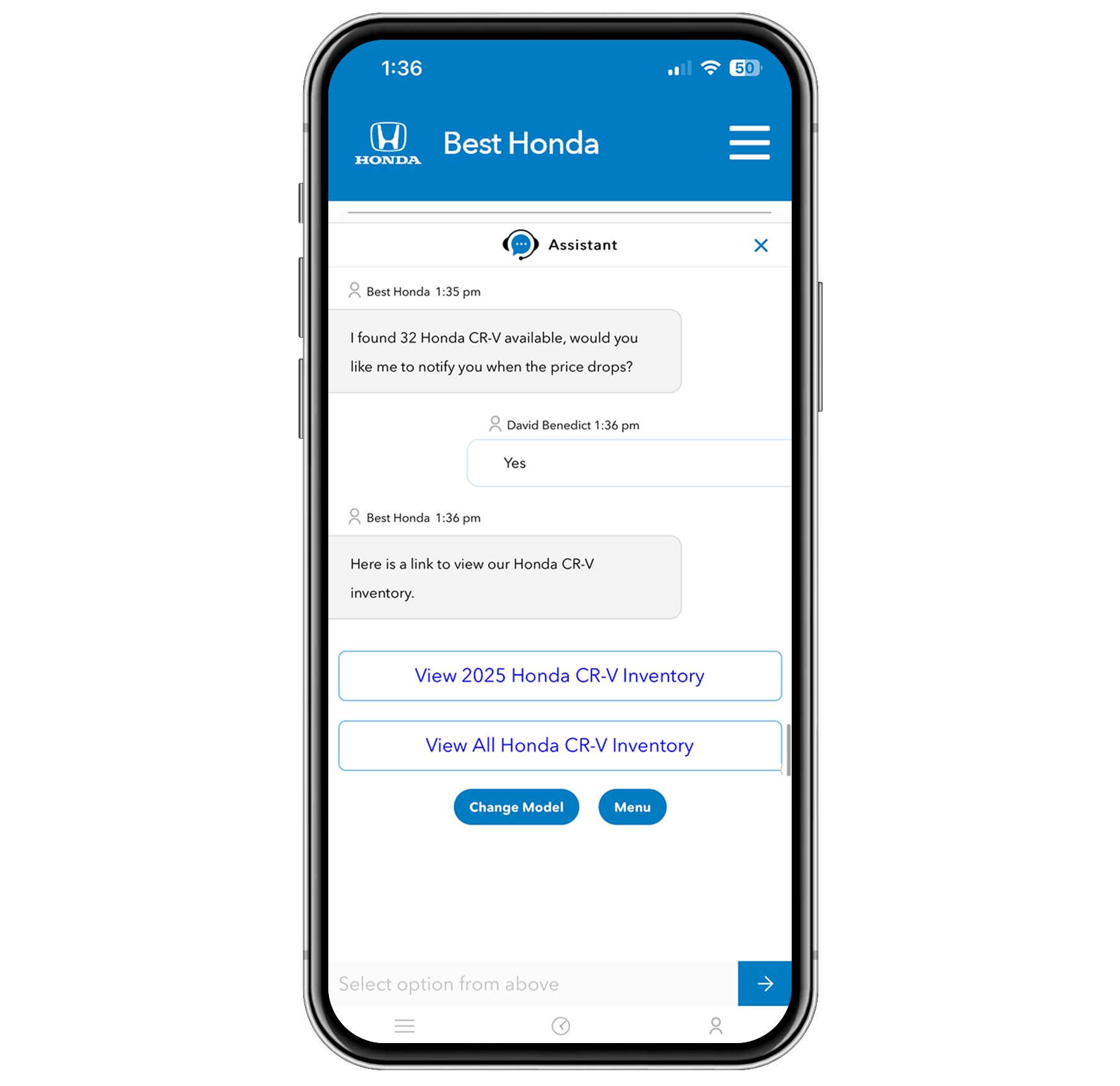
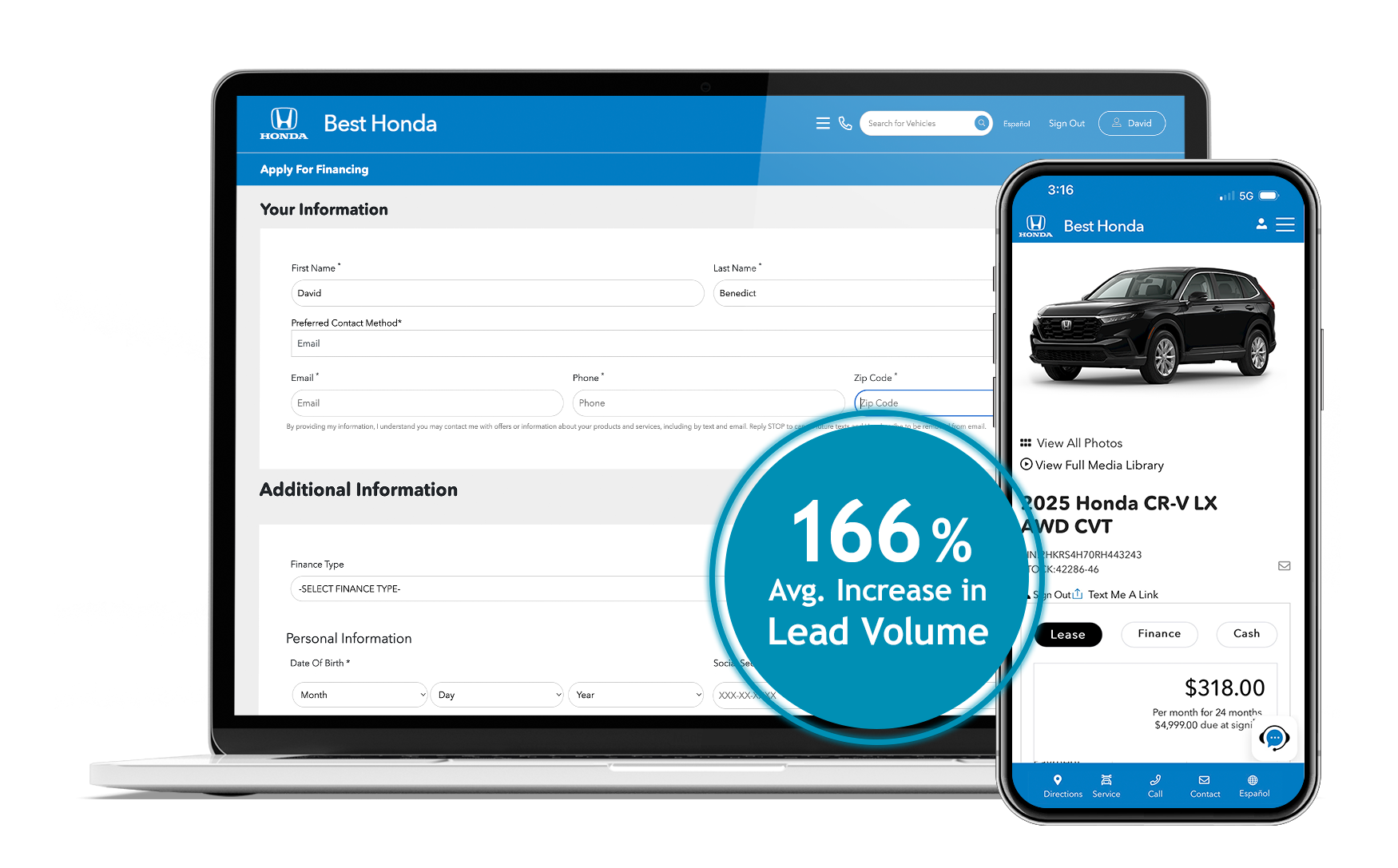
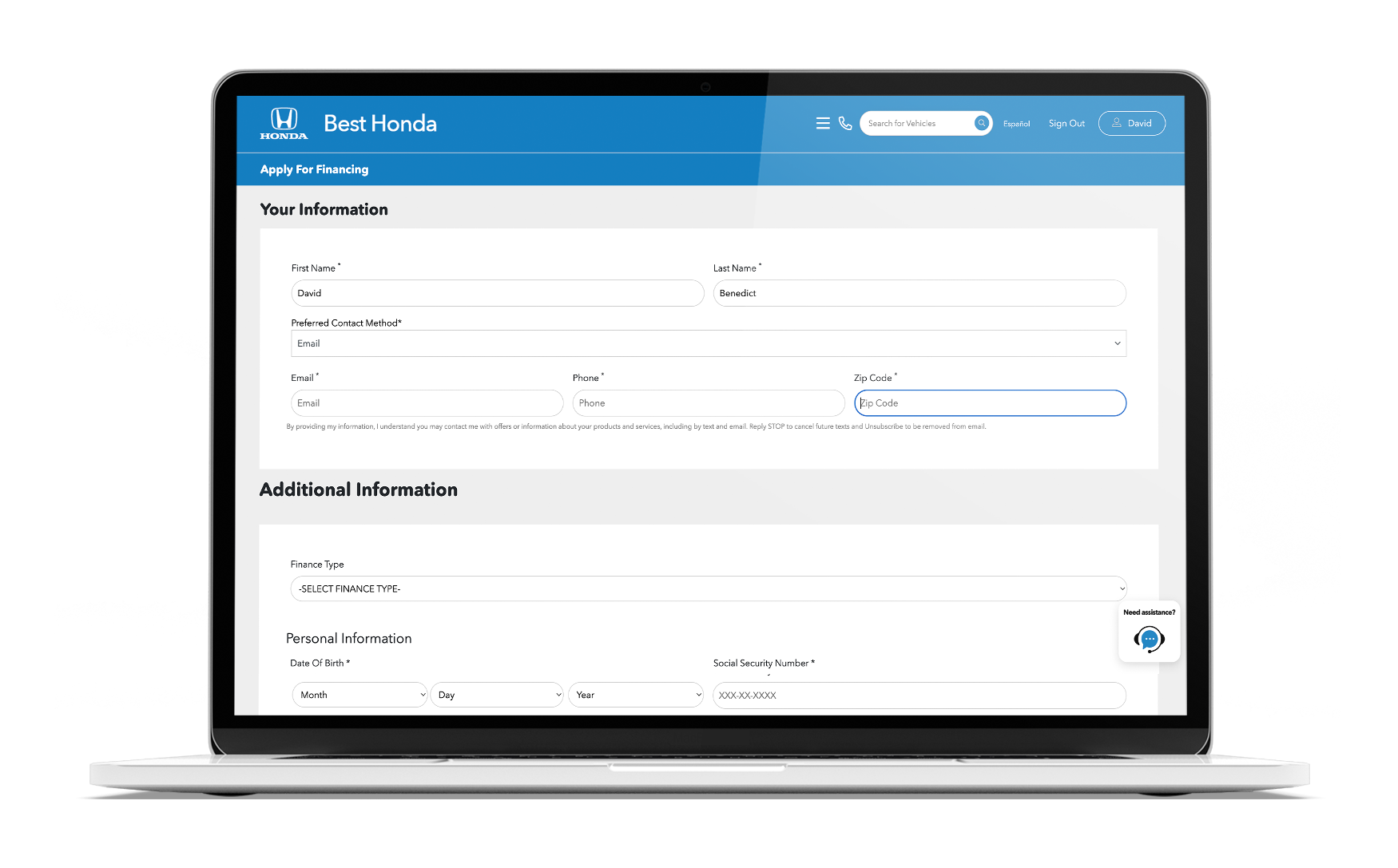
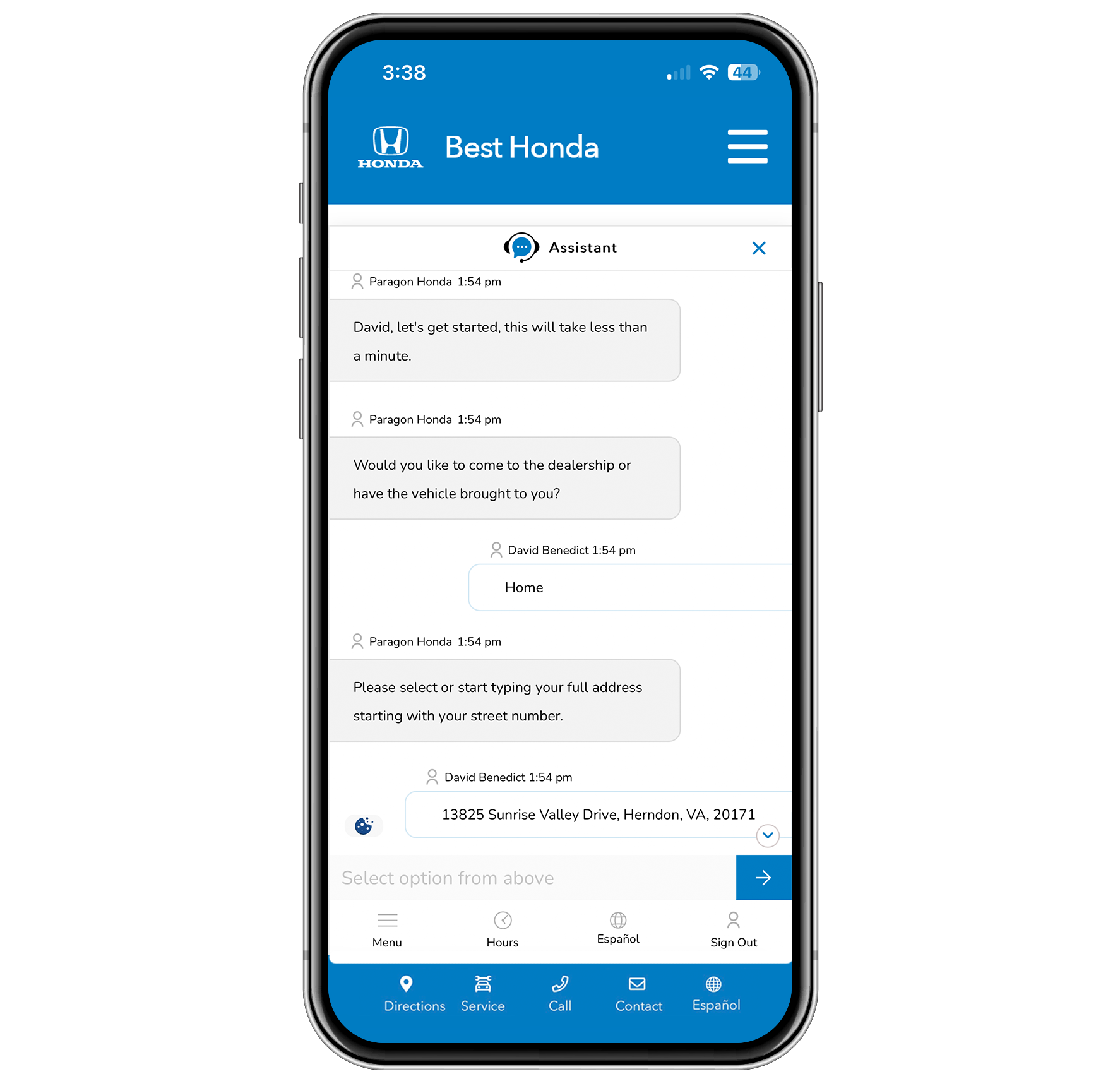
When customers have to repeat themselves or wait as your staff rekeys information, it can irritate them more than anything else. Connect your online tools for trade-ins, service scheduling and finance and insurance to create an experience that feels transparent and effortless. I’ve found that customers trust dealers more when they see that their time is respected.
4. Understand that dealer technology only works when it works together.
Many stores run a maze of point solutions, and that sprawl can slow teams and fracture attribution. If your goal is Amazon-level personalization with measurable contribution, then work toward an integrated stack. The objectives I recommend embracing are simple and ambitious: Retire redundant vendors, unify your data model and lift return by removing friction.
5. Use integration to compound your advantage.
Wire your core systems together at the application programming interface (API) level so data moves between your dealer management system, CRM, pricing tool, inventory feed, scheduler, website and media. Ensure your system keeps your prices and stock current everywhere a shopper looks and your service calendar reflects the hours and bay time you actually have. This allows your advisors to work from a single, unified view, so every conversation starts informed and stays coordinated end to end.
APIs are the foundation for this accuracy. Build in tools capable of automating simple updates so your team can apply their knowledge and experience where it counts most.
6. Ensure governance remains the brake and the steering.
Document what data you use and why, set bounds on automation that match your risk posture, put human review in place where pricing or compliance are on the line and test against a control before you scale. When your record is trustworthy and you have clear guardrails in place, AI can accelerate what already works instead of masking what does not.
Ultimately, the stores that don’t simply add on tech—and instead design their stack so tools work together seamlessly—can move faster, spend smarter and create a customer experience that feels simple.
Source: Forbes