From Risk Management to Revenue Protection: The Case for Integrated Compliance
As the automotive industry becomes increasingly digital, regulated, and customer experience-driven, compliance and accessibility tools have moved from “nice to have” to essential infrastructure. From pricing transparency and data privacy to ADA accessibility and OEM guidelines, today’s compliance landscape touches nearly every part of the customer journey. For dealerships, the real challenge is not just meeting these requirements—but doing so consistently, across every platform and channel.
Why Compliance and Accessibility Tools Matter Now
Dealerships today operate in an environment where digital retailing, strict regulations, and elevated customer expectations intersect. Compliance and accessibility tools play a critical role in protecting dealers from risk while ensuring every online experience is accurate, transparent, and accessible. When applied consistently and correctly, these tools support both compliance obligations and a more inclusive, trustworthy customer journey.
Protecting Dealers from Regulatory Risk
Compliance tools help dealerships stay aligned with federal, state, OEM, and advertising regulations. This includes ensuring price transparency through proper disclosures, accurate fees and rebates, compliant vehicle listings and digital ads, and adherence to data privacy rules around lead capture, cookies, and customer information.
Website Accessibility
Accessibility tools make dealership websites usable for all shoppers. This typically includes screen-reader and keyboard-navigation support, text size and contrast controls, color adjustments, and automated accessibility monitoring to support compliance.
More Inclusive Customer Experience
Compliance and accessibility tools support a more inclusive experience by ensuring online information is transparent and easy to understand, customers can complete transactions independently, and information remains consistent and accessible across every channel.
Following OEM Standards & Certification Requirements
Many OEMs now require or strongly encourage ADA-compliant websites, strict advertising and pricing rules, approved retailing processes, and strong data protection practices.
Operational Efficiency and Safeguards
Automated tools flag inconsistencies and potential violations, validate assets before they go live, and support continuous monitoring to reduce manual compliance management.
Where Standalone Compliance Tools Fall Short
Despite their importance, many compliance and accessibility platforms still operate with gaps that introduce risk.
- Lag Between Regulations and Technology Updates: Regulations can change at any time—especially around pricing, privacy, and OEM standards. Tools do not always update automatically, creating temporary exposure.
- Limited Integration Across Channels: Some tools do not sync effectively with inventory feeds, digital retailing platforms, paid search, social ads, or email. These inconsistencies introduce compliance risk.
- Limited Coverage of Third-Party Tools: When websites rely heavily on third-party widgets, compliance and accessibility tools often cannot correct issues within those widgets.
- Lack of Ongoing Maintenance: New inventory, offers, and pages make compliance a constant task. Many tools do not operate on a true 24/7 monitoring basis.
What True Compliance Integration Looks Like
Proper compliance integration means that compliance and accessibility are no longer separate tools. They become embedded, systemic capabilities that operate across the entire dealership ecosystem.
Embedded at the Platform Level
Compliance and accessibility should be built directly into website templates, inventory feeds, digital retailing tools, and creative assets. Every new page, offer, or feature is automatically compliant without added manual work.
Unified Data Across All Channels
A fully integrated system pulls from a single source of truth. This ensures pricing, disclosures, fees, and rebates match everywhere, and accessibility standards are consistently applied. When regulations change, updates are applied system-wide automatically.
Integrated Fixes
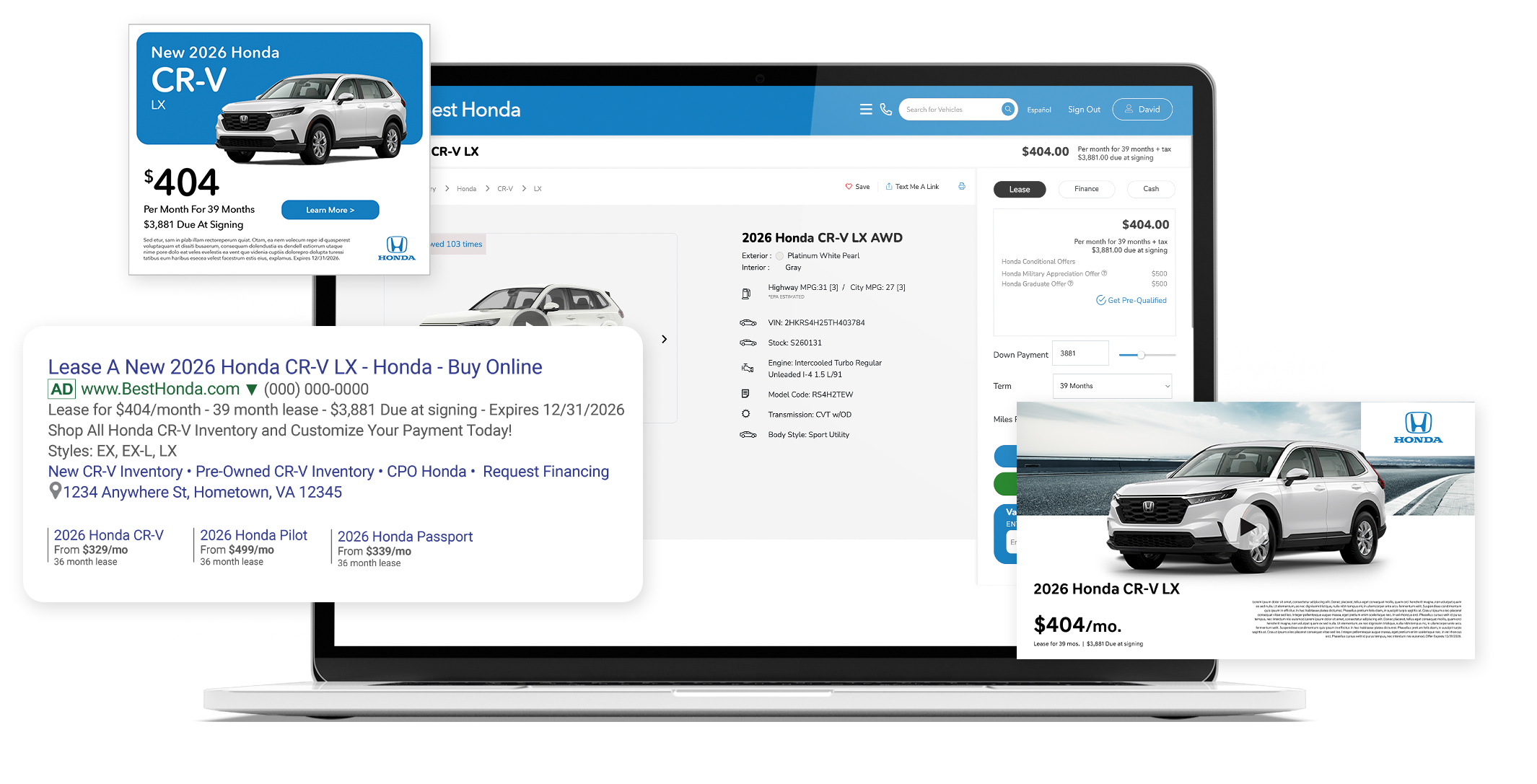
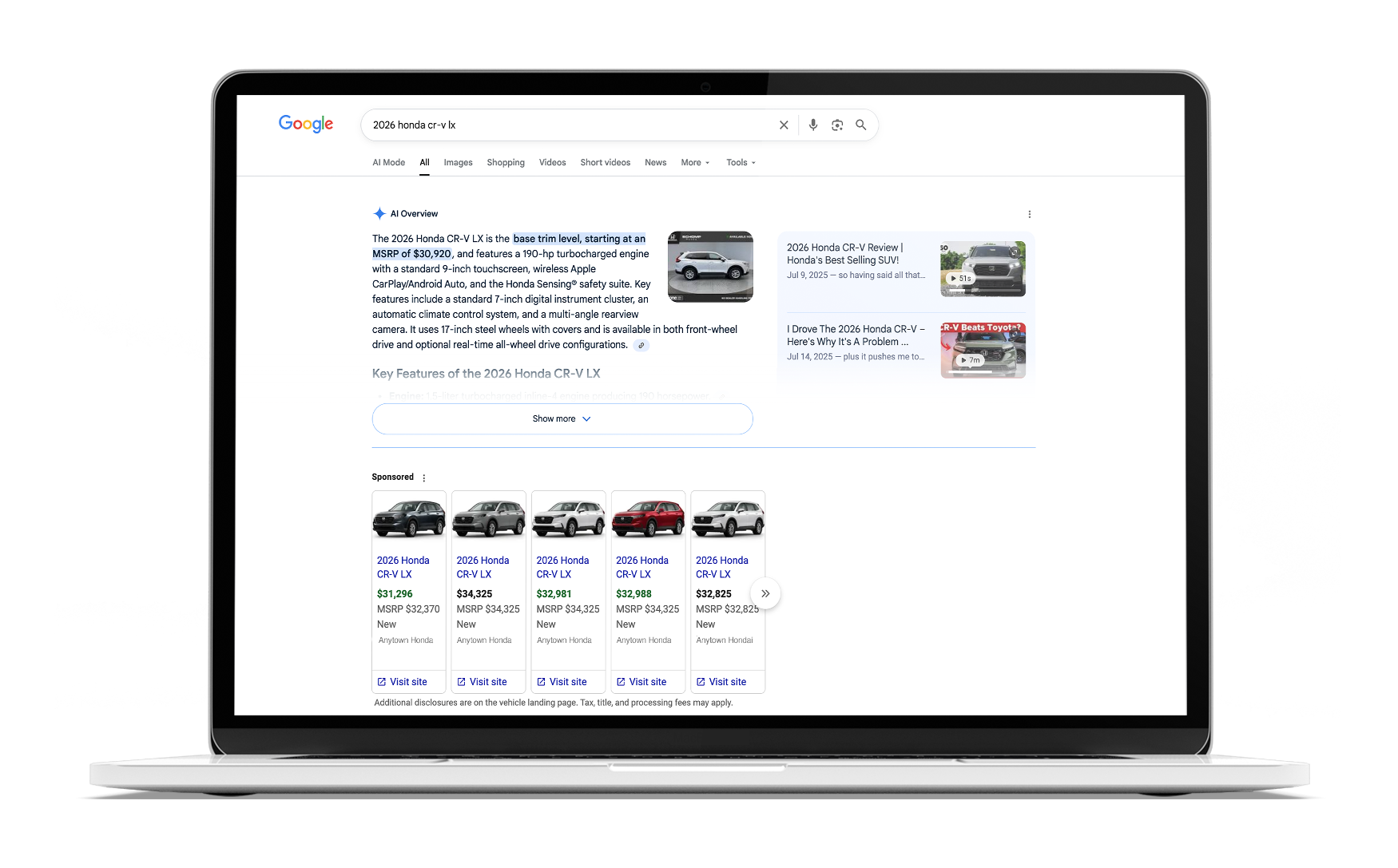
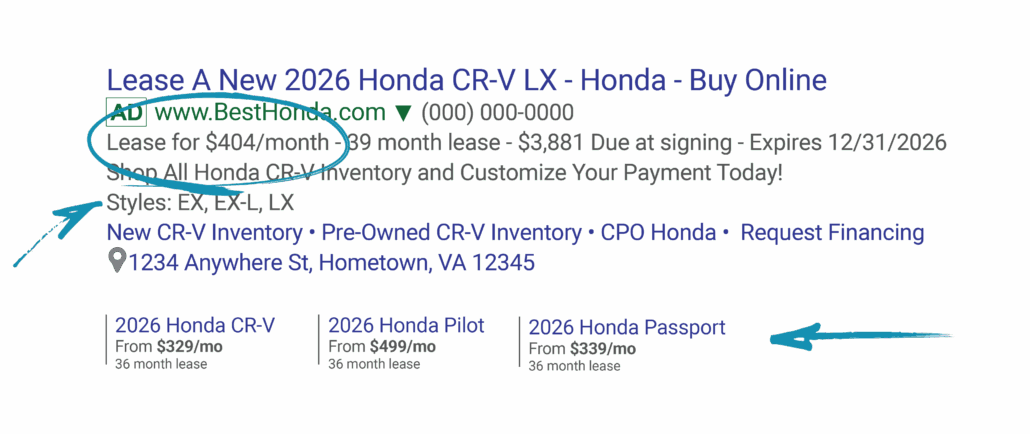
Rather than only flagging issues, integrated tools can resolve them. For example, if two different prices appear on a VDP and a paid search ad, those prices can be automatically matched and corrected.
Full Integration with Third-Party Widgets
While reducing reliance on standalone widgets is ideal, compliance and accessibility tools should still integrate fully with any required third-party tools so protections remain intact.
Real-Time OEM Guidelines
Integrated systems continuously sync with OEM rule changes, so updates are automatically applied across all assets and channels.
How Apollo Strengthens Compliance Across the Ecosystem
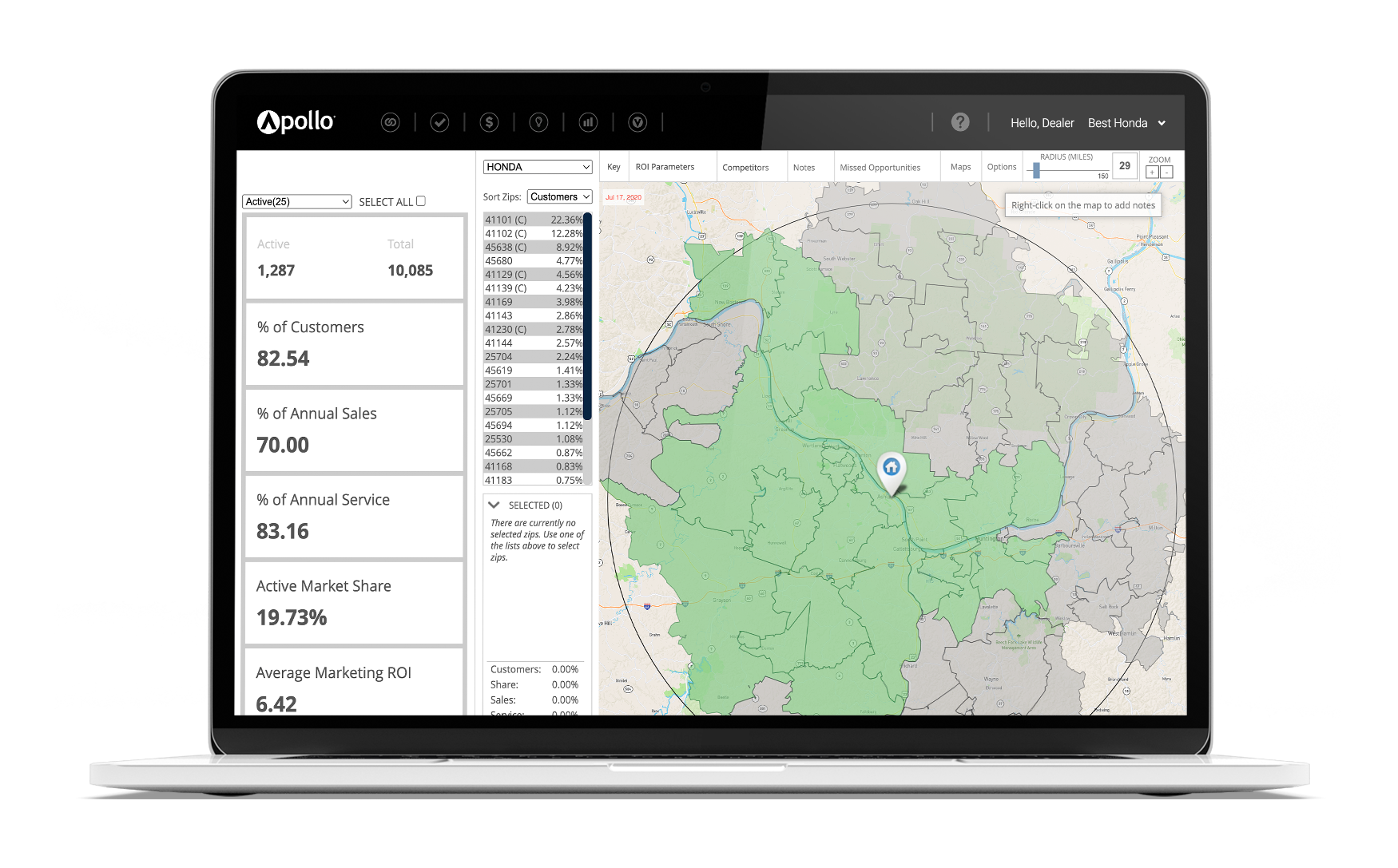
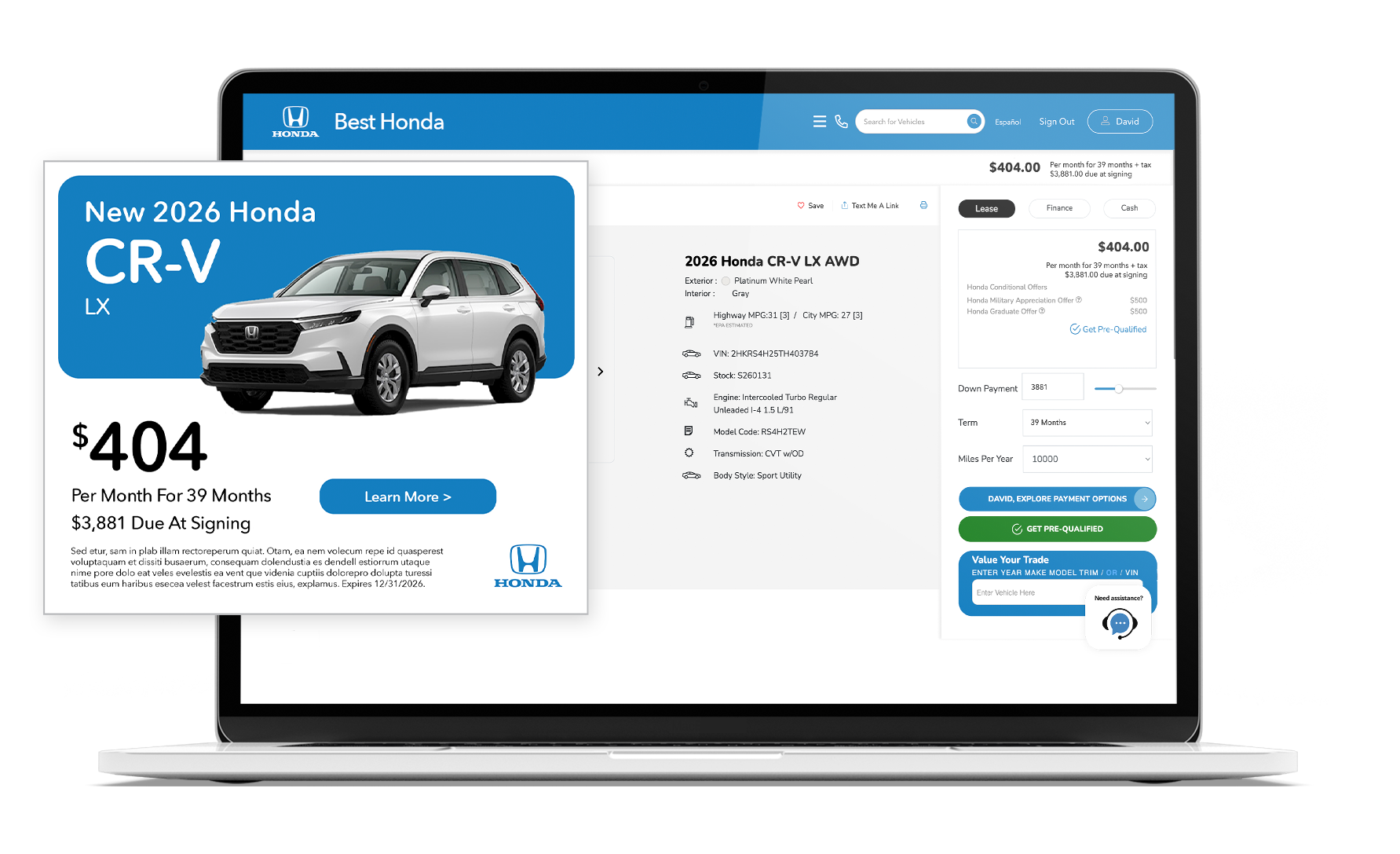
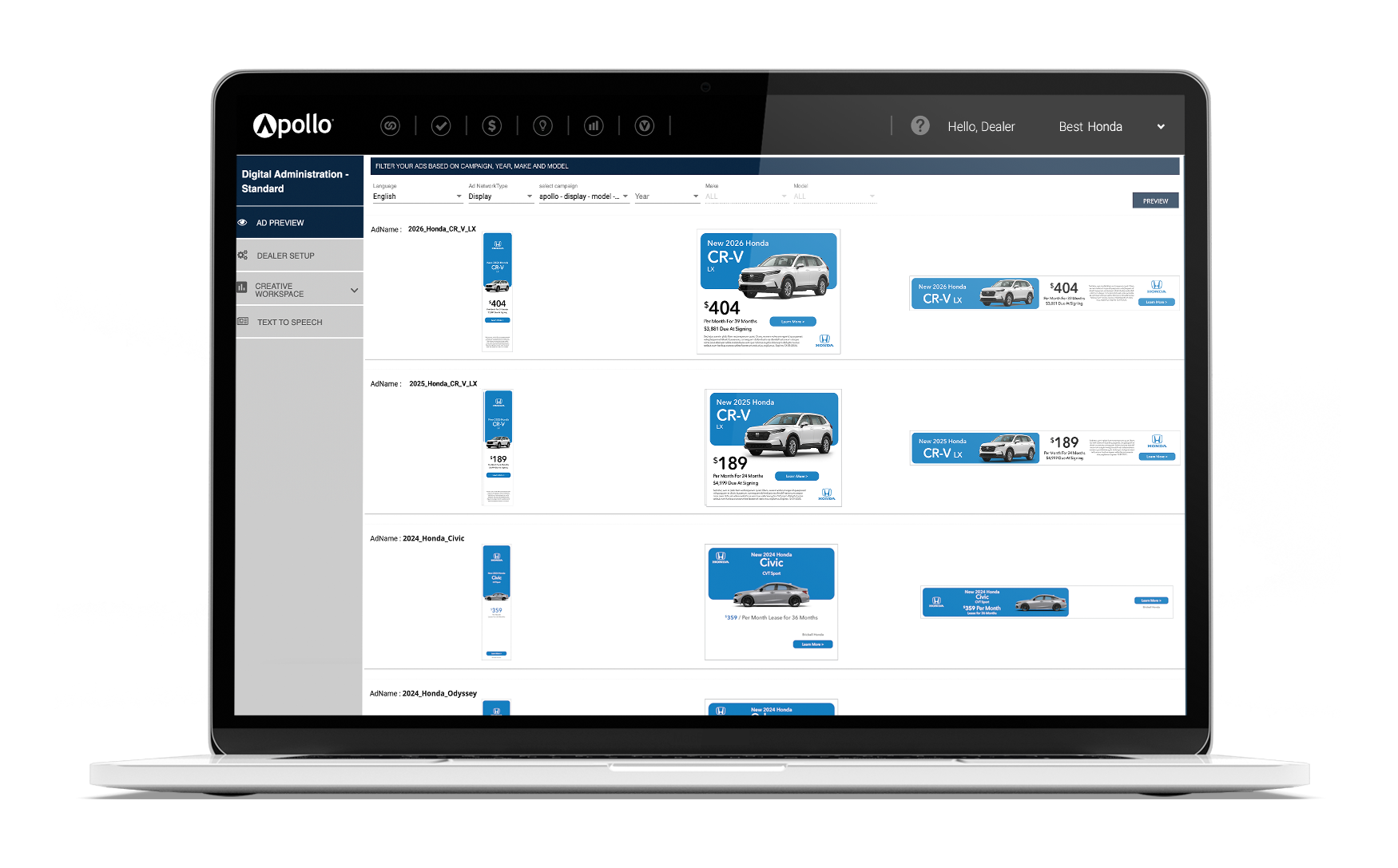
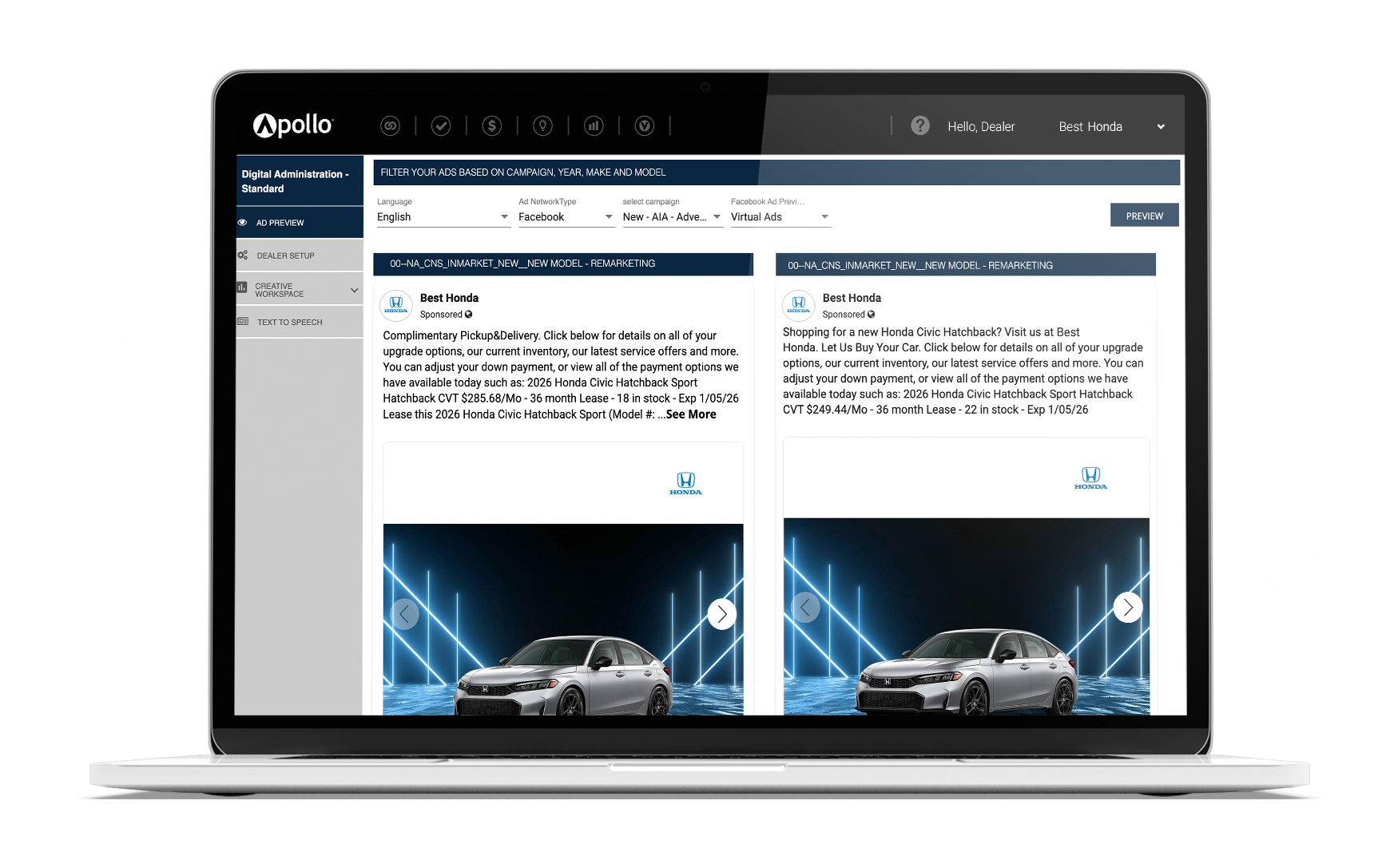
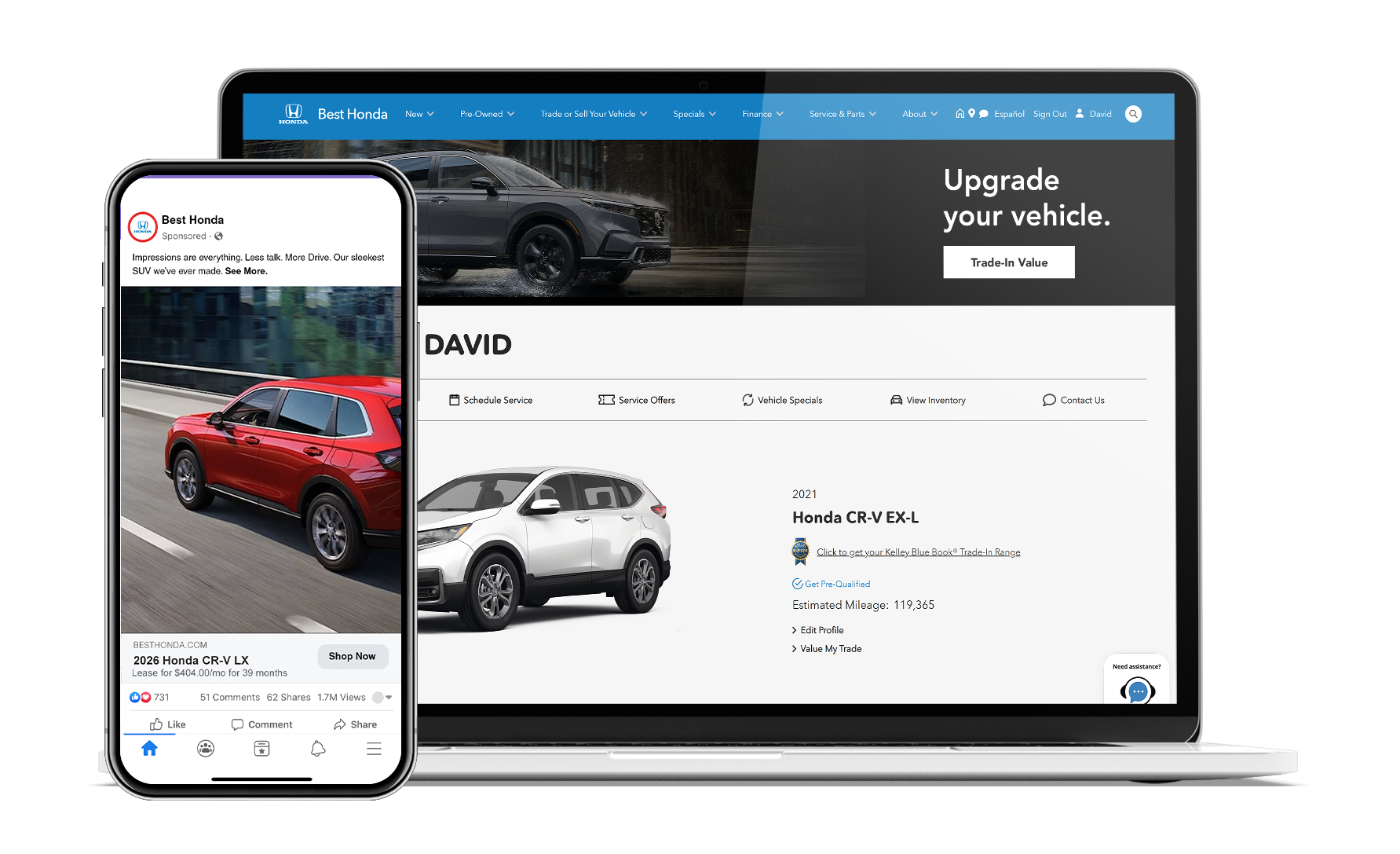
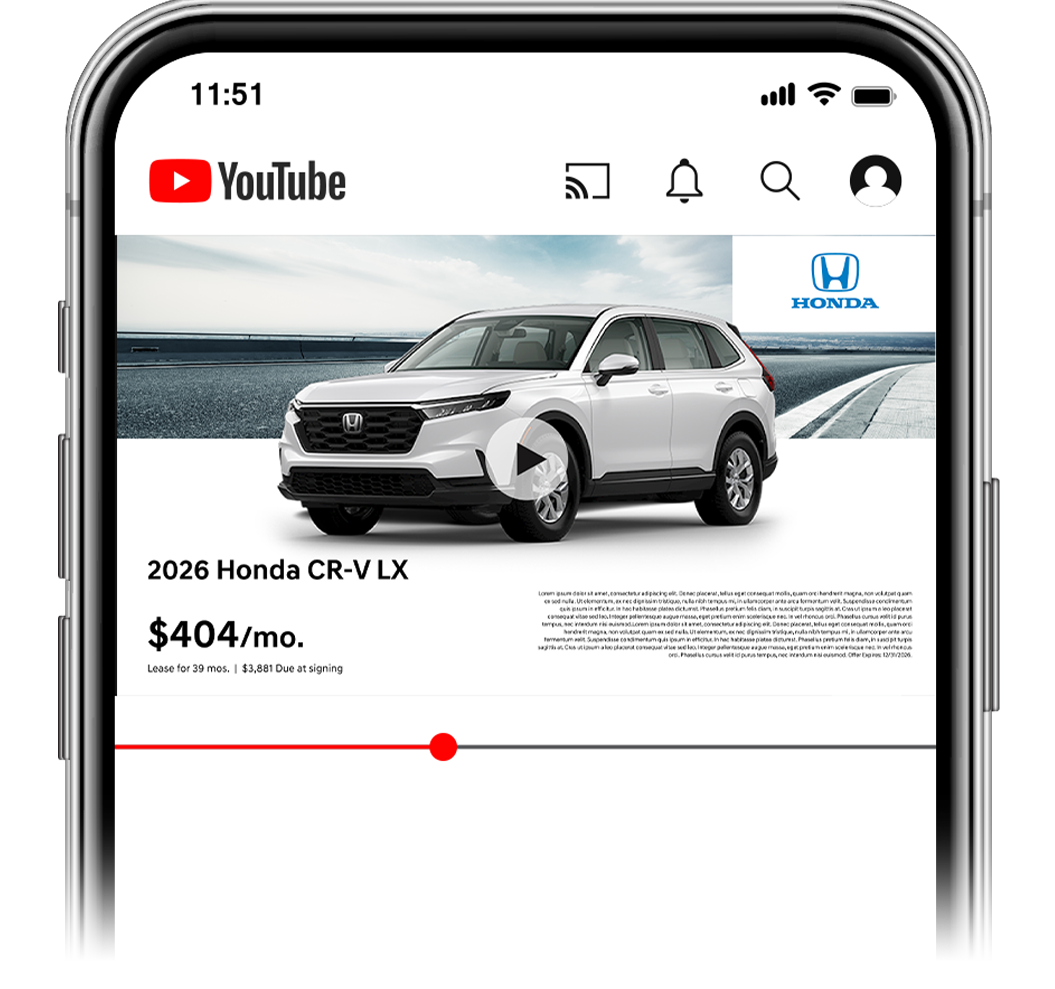
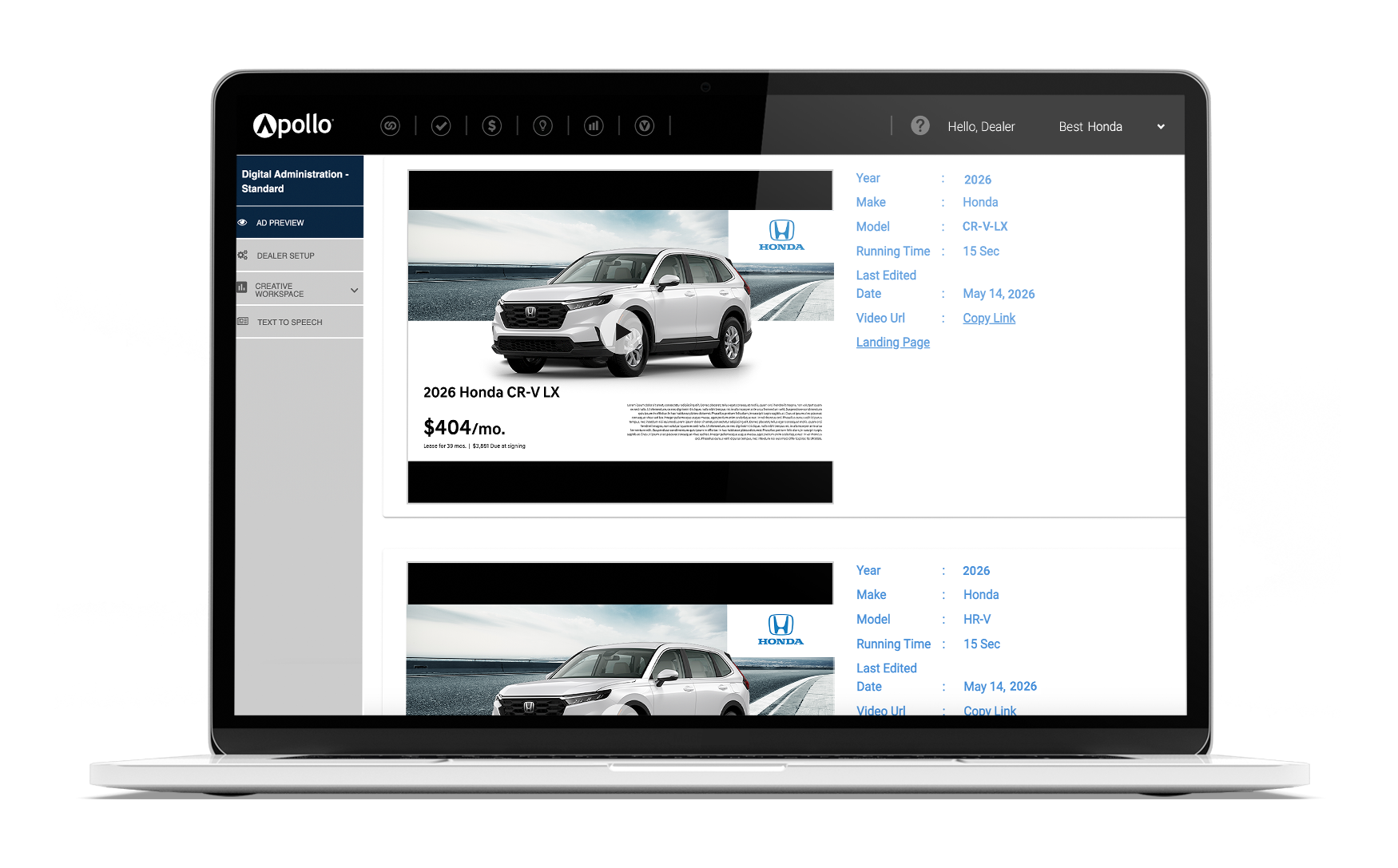
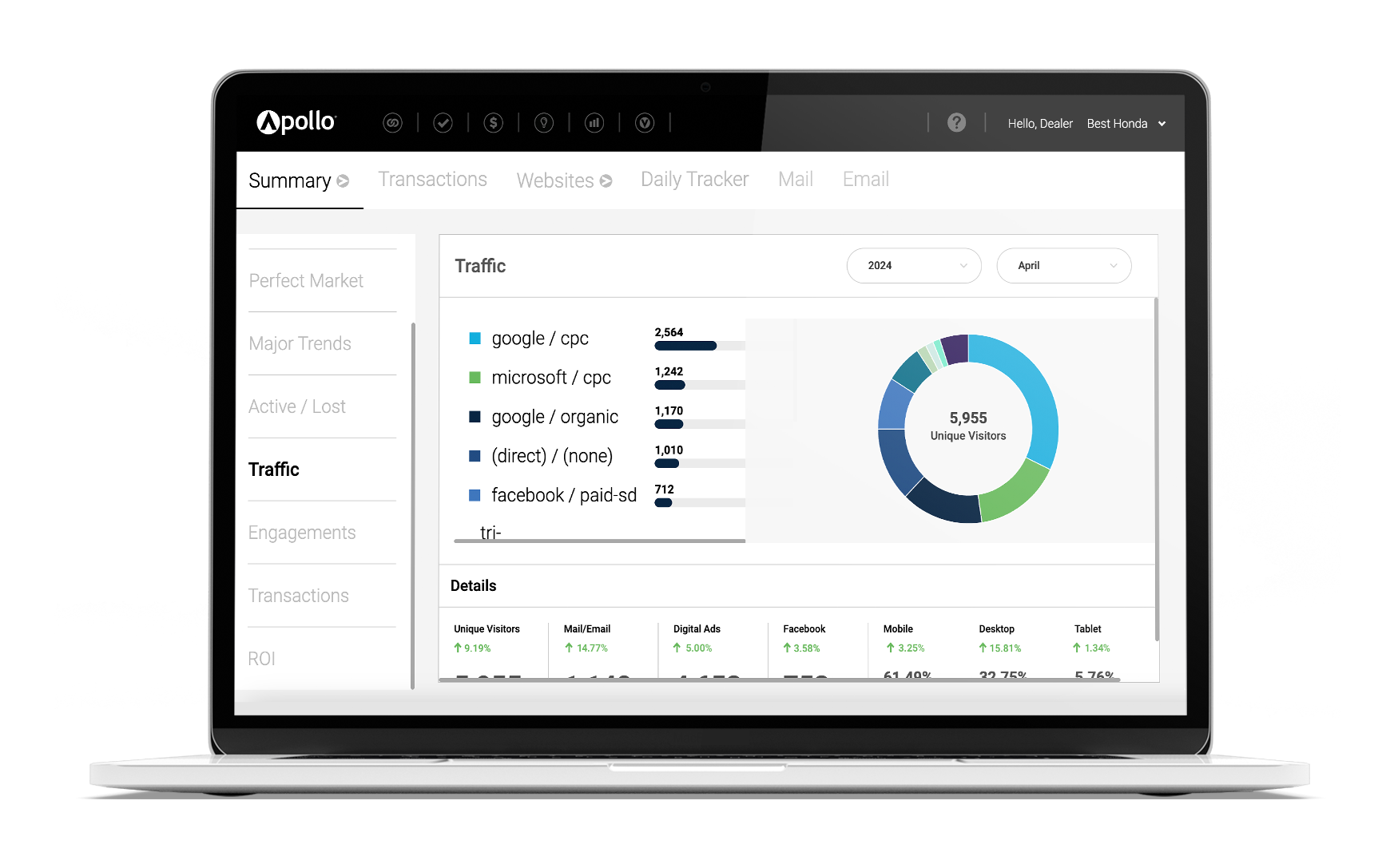
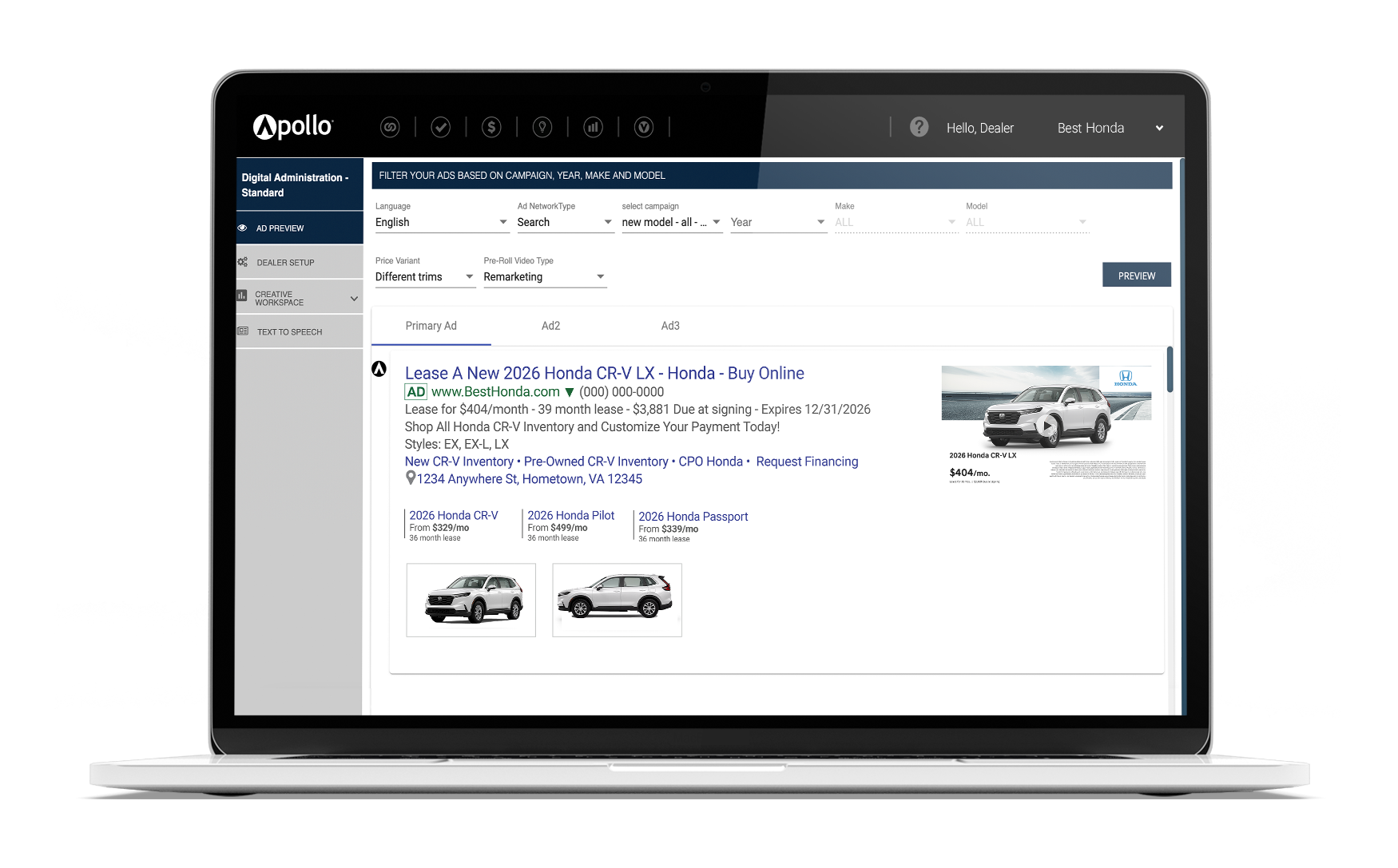
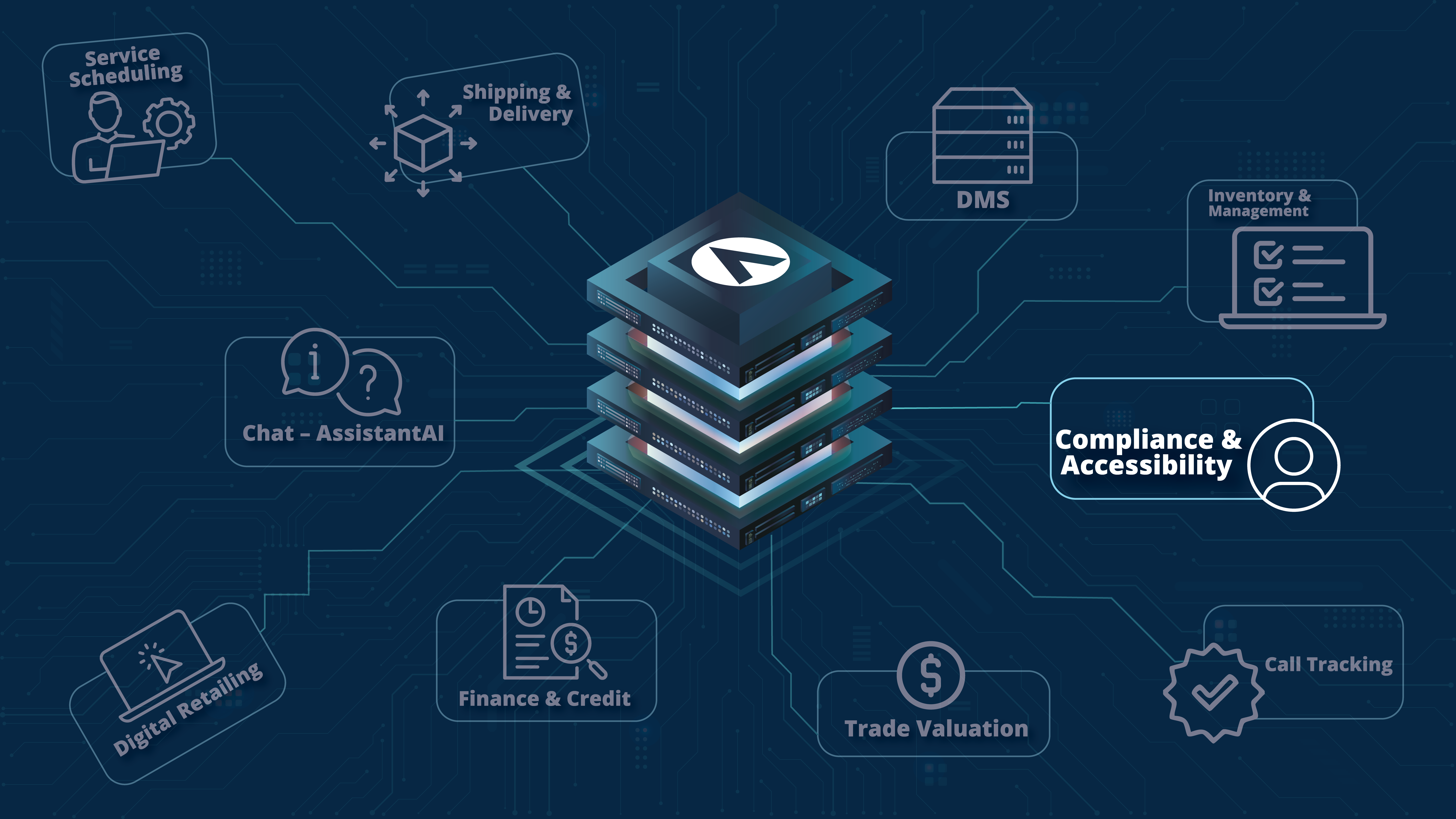
Apollo Sites integrates compliance directly into the broader Apollo CXP ecosystem, meaning the offers on a dealer’s website mirror those shown in digital ads, email, direct mail, and any other customer-facing campaigns. Pricing confusion is eliminated, brand credibility is built, engagement rates are improved, and dealerships are protected from state and OEM compliance violations.
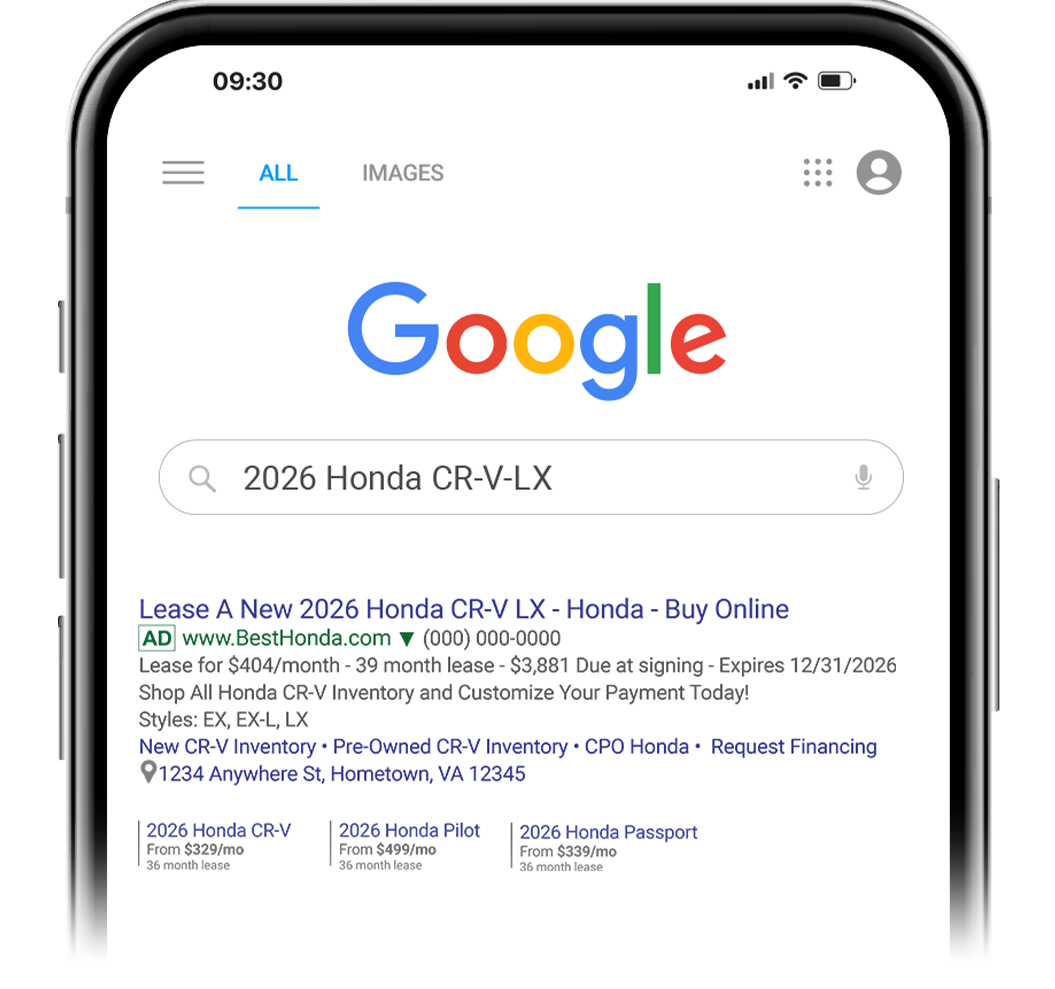
Let’s put this in practice. Say a dealership launches a new promotional offer across its website and paid search campaigns. In a non-integrated environment, small differences in pricing language, disclosures, or rebates appear between the VDP and the ad—creating both customer confusion and regulatory risk.
With fully integrated compliance, the offer is automatically synchronized across the website, inventory, paid ads, and email. Disclosures match everywhere, pricing remains consistent, and accessibility standards are applied automatically—protecting the dealership while delivering a clear, frictionless customer experience.
Compliance Partners
- ComplyAuto: ComplyAuto handles cookie banners and privacy workflows in Apollo Sites automatically so your team stays compliant without lifting a finger.
- accessiBe: accessiBe is embedded in Apollo to dynamically adjust your website for accessibility, ensuring compliance with no extra work.
Why Integrated Compliance Is the New Standard
Compliance tools are essential—but integrated compliance is what truly protects dealerships at scale. When accessibility, pricing governance, privacy, OEM standards, and advertising rules are embedded into the dealership’s full ecosystem, compliance becomes automatic, consistent, and continuously maintained.
Interested in learning more? Connect with us today.