Guest commentary: We tested 7 dealership AI chat experiences. Here’s how far they actually got us toward buying a car
Seven dealership AI chatbots were put through real car-shopping scenarios, and most still couldn’t deliver a customized lease payment when asked.

Imagine walking into a dealership, finding a car you love, and asking the salesperson a simple question: “What would my monthly payment be?”
Now imagine that instead of answering, they hand you a brochure or ask for your email so someone can get back to you.
You probably wouldn’t be impressed. You might even leave.
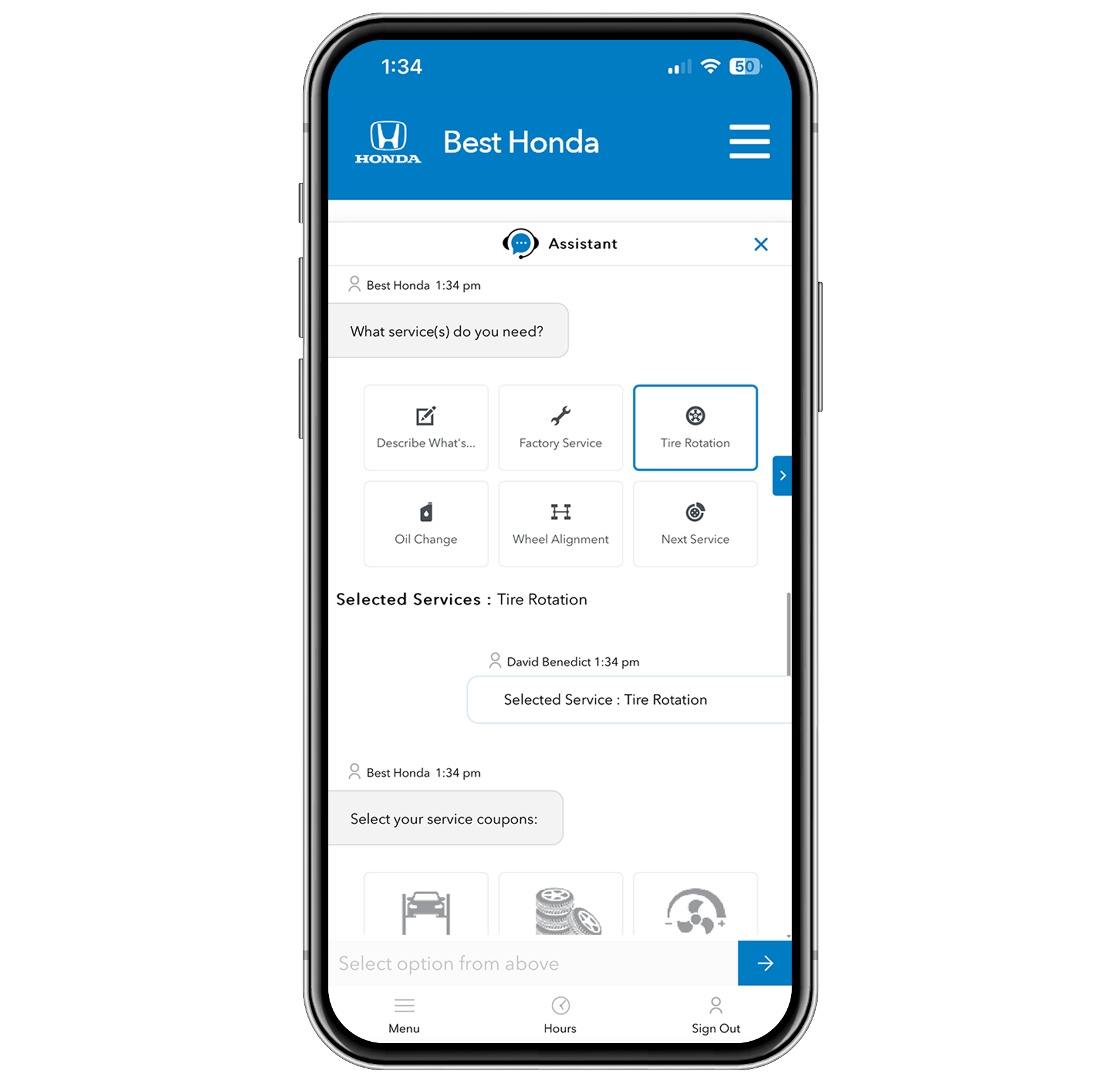
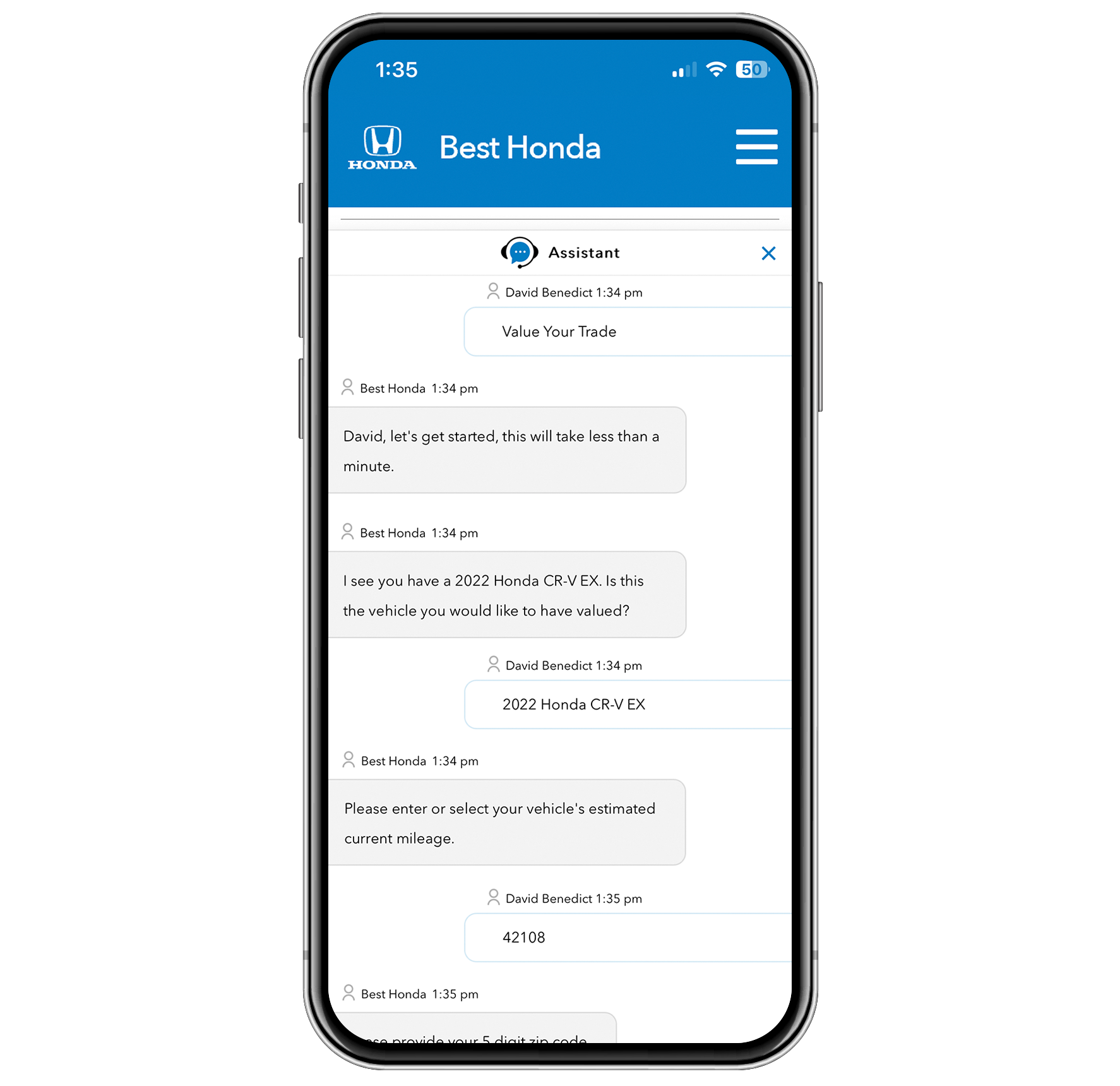
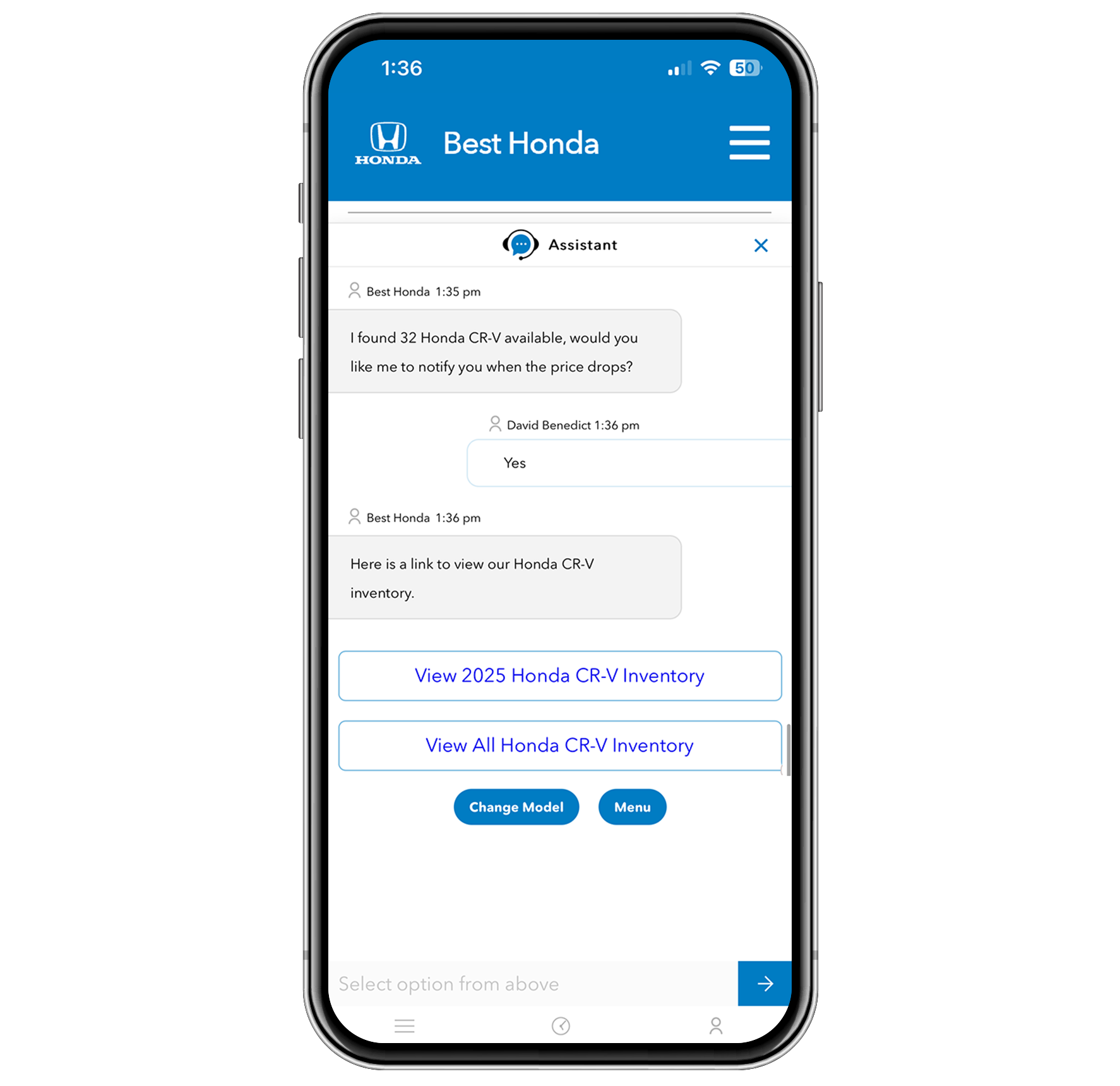
Yet that’s not far from what we experienced when we tested seven dealership website chat experiences to see how far the technology could take a buyer.
Some recommended vehicles, compared trims, remembered conversations and estimated trade-ins. Others just asked for contact information.
But here’s where things got interesting: None of the three chat experiences we asked were able to give us a customized lease payment.
That raises a question: Are we building technology that helps customers buy cars, or are we just getting better at talking to them?
Some of these tools are getting pretty good
I’ll give credit where it’s due.
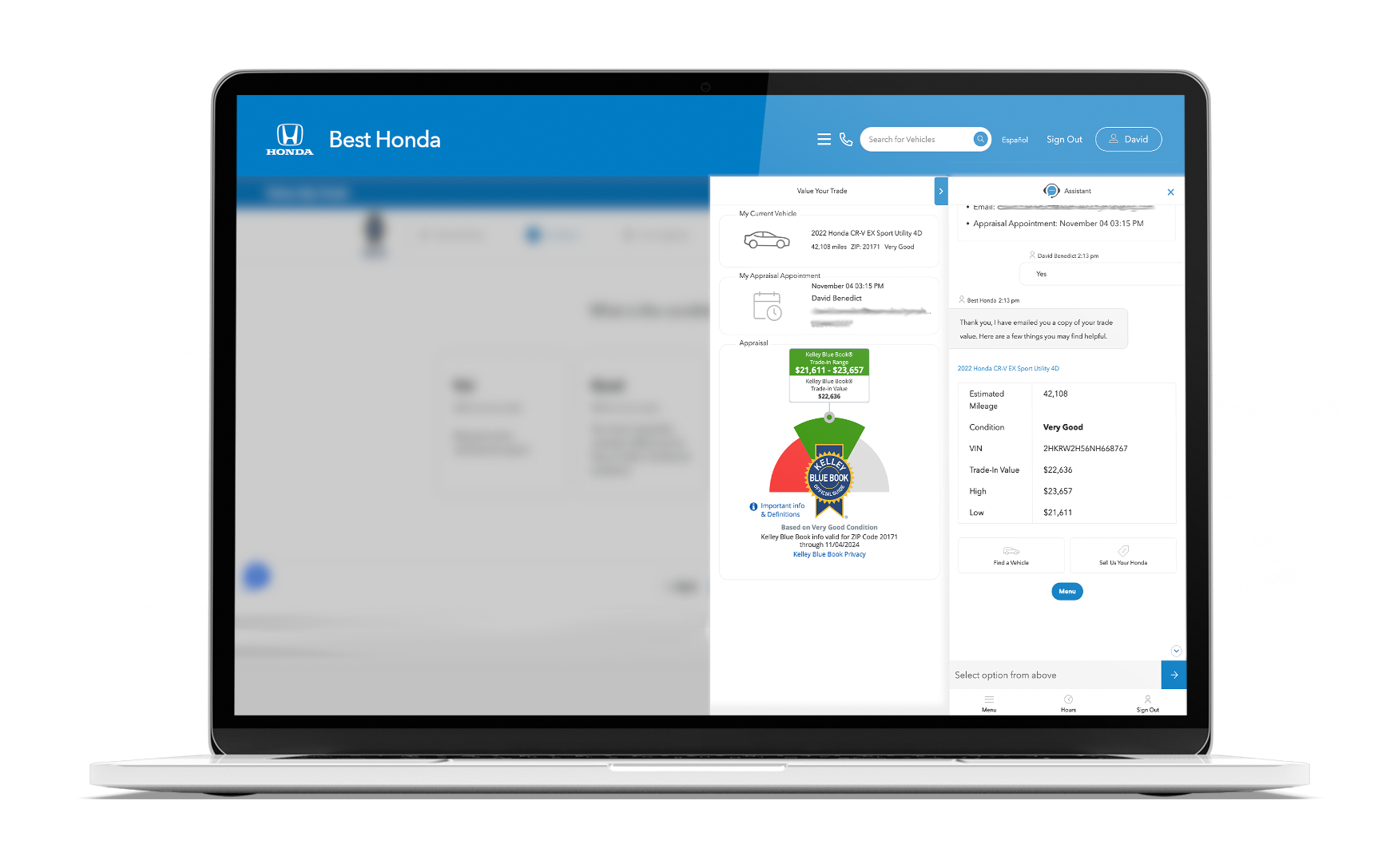
One experience asked about our budget, driving habits and preferences before recommending a specific Mini Countryman. It compared trims, found inventory and estimated a trade-in of $17,000 to $20,000 for a 2022 Honda Civic EX.
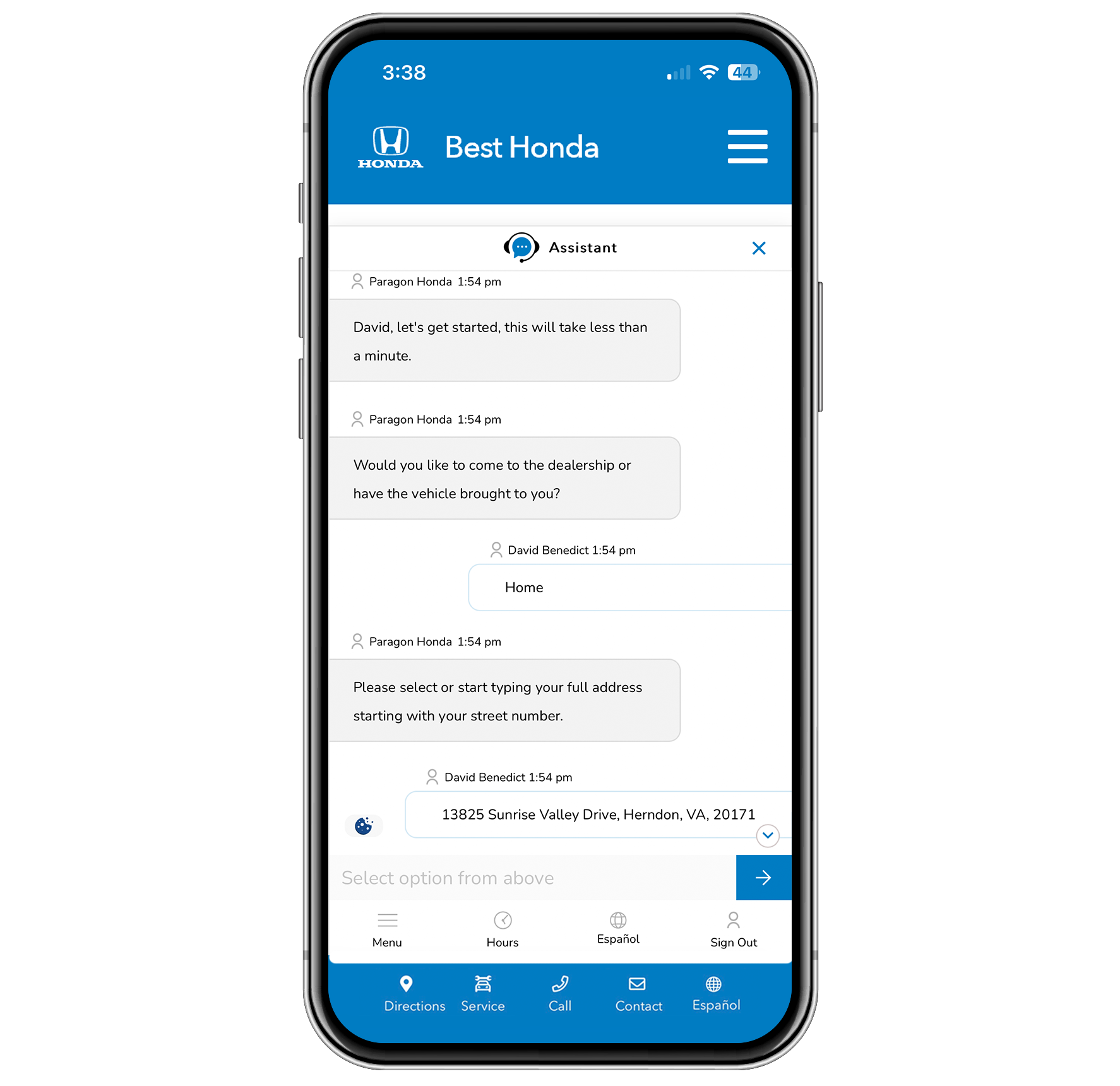
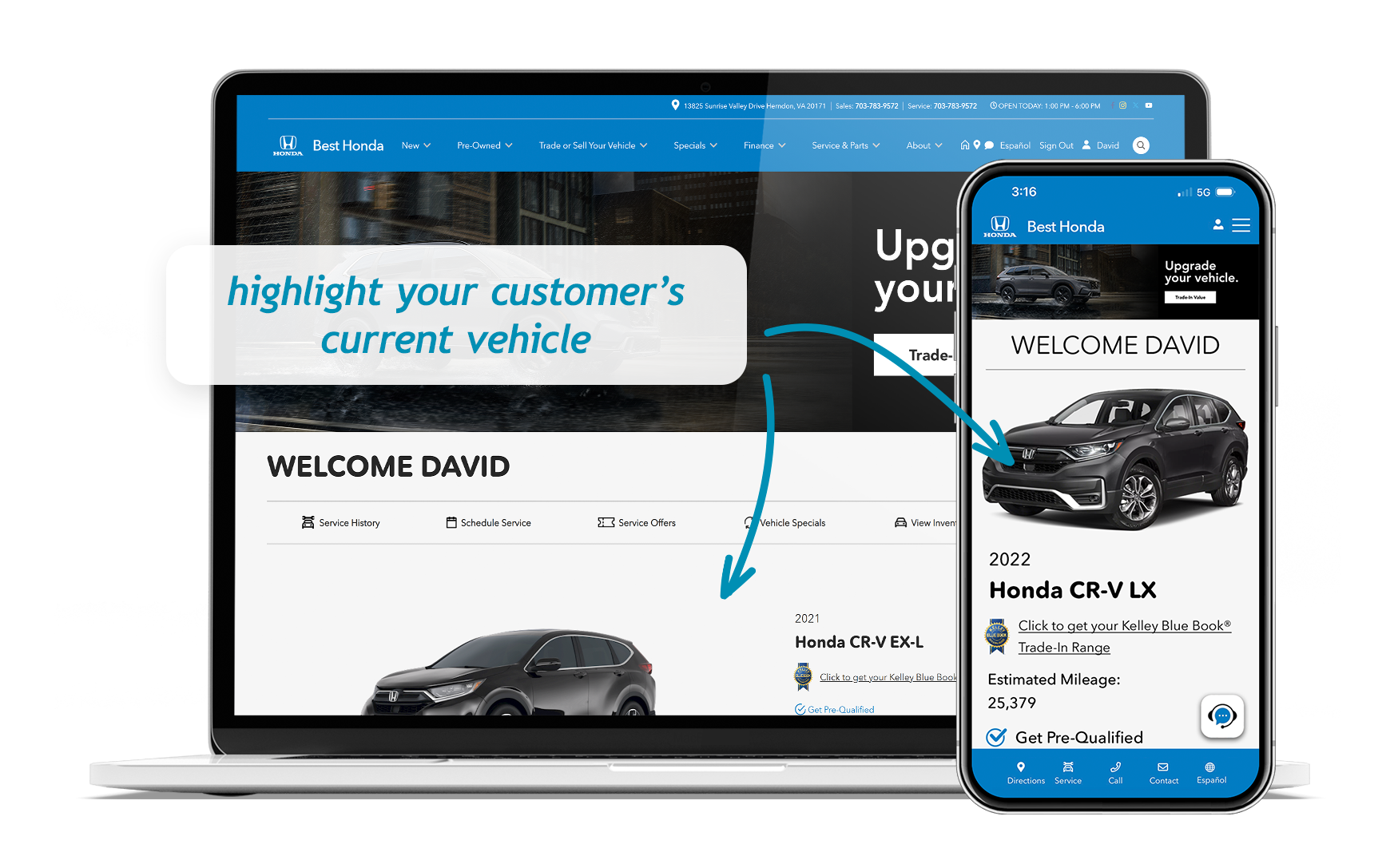
Another remembered our vehicle after we closed and reopened the conversation.
The best AI experiences are starting to replicate parts of the sales process: asking questions, listening and helping customers decide.
But the differences were hard to ignore.
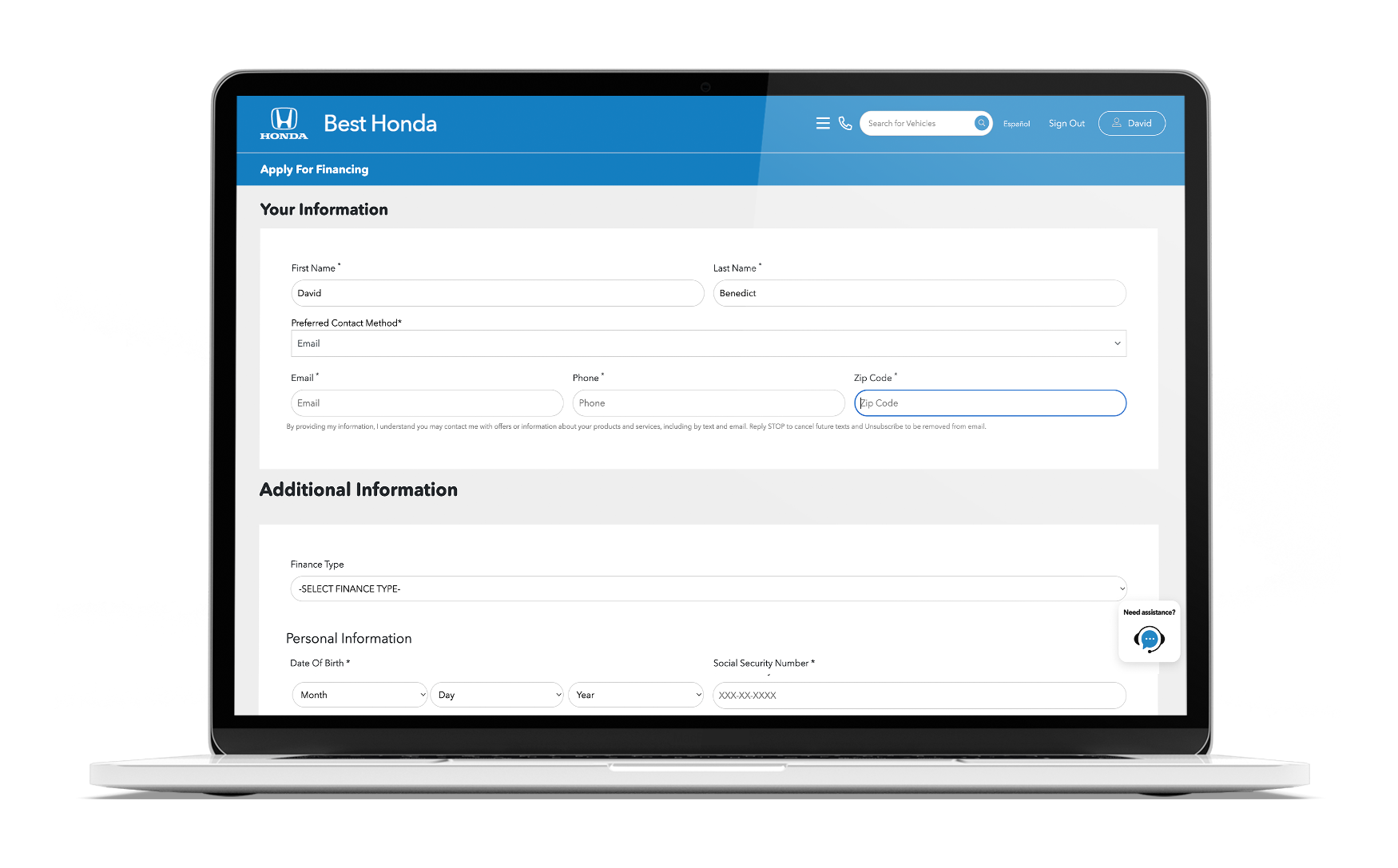
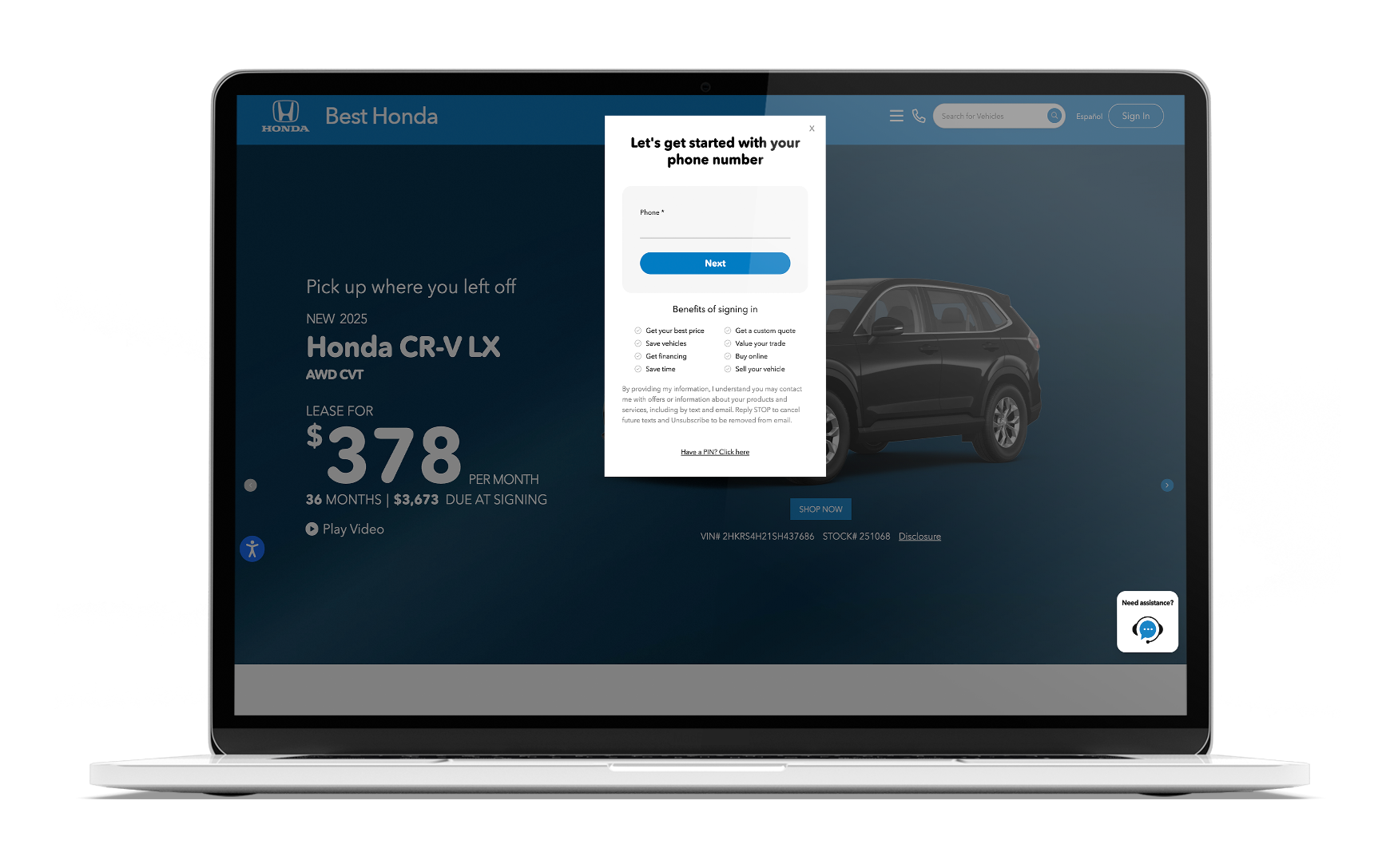
Two of the seven experiences wouldn’t let us start without providing contact information. That can feel like consenting to endless emails.
Others offered poor matches or struggled technically.
Beyond recommendations, several conversations ended with: “Our sales team can help you with that.”
There’s nothing wrong with involving a salesperson. But if every meaningful question ends with a handoff, what exactly is AI accomplishing?
The real test starts when customers ask about money
Finding a vehicle is one thing. Figuring out how to pay for it is another.
Say you want to lease a $45,000 SUV for 36 months, with nothing down, 12,000 miles annually and a trade-in.
You don’t need a chatbot to explain what a lease is. You want to know what that particular SUV will cost you each month.
That’s where things fell short.
Of the three experiences where we were able to reach the customized lease question, none delivered the payment we requested.
One returned an advertised lease offer, but the mileage and down payment terms didn’t match what we’d asked for. Another never completed the quote. The third explained how a trade-in might affect the deal but referred us to a specialist for an exact payment.
This wasn’t a comprehensive test. Not every conversation reached financing, and one high-mileage vehicle may not have qualified for a conventional lease.
Still, if AI can tell customers everything about the car except whether they can afford it, we’ve only solved part of the problem.
What it really means to move from conversation to transaction
Making a chatbot sound intelligent is not the same as making it useful.
To calculate a customized payment, AI needs current inventory and pricing, manufacturer incentives, lender rates, residual values, fees and potentially trade-in information.
Those details aren’t static. Programs change. Inventory moves. Rates vary. And the information lives across different systems.
Dealerships juggle websites, customer relationship management systems, dealership management systems, inventory platforms and financing tools. Getting these systems to work together has long been an industry challenge, and it’s what led me to start my own company.
Now we’re adding AI to that equation.
The customer doesn’t care which system is responsible. They just know they asked a question and didn’t get an answer.
And if we’re not careful, AI could end up becoming another part of this problem rather than the solution to it.
Before buying another AI tool, try shopping on your own website
If I were a dealer evaluating AI, I’d start by pretending to be a customer.
Go to your website and try to buy a car.
Ask for an SUV within your budget. Compare options and check inventory.
Then pick a vehicle and ask for a payment.
Change the terms. Add a trade-in.
Close the conversation and come back later. Does the system remember you? Or are you starting from scratch?
Most importantly, how often does it say someone from the dealership needs to follow up?
Buying a car is a major financial decision, and customers should always have the option to speak with someone knowledgeable.
But the handoff should happen because the customer wants additional help, not simply because the technology has run out of answers.
Dealers should evaluate AI by what it accomplishes for customers, not just how well it carries on a conversation.
Because at the end of the day, customers aren’t visiting dealership websites to have a great conversation with a chatbot.
They’re there to buy a car.
Source: Automotive News