The AI Salesperson: How Apollo is Reshaping Auto Dealership Websites
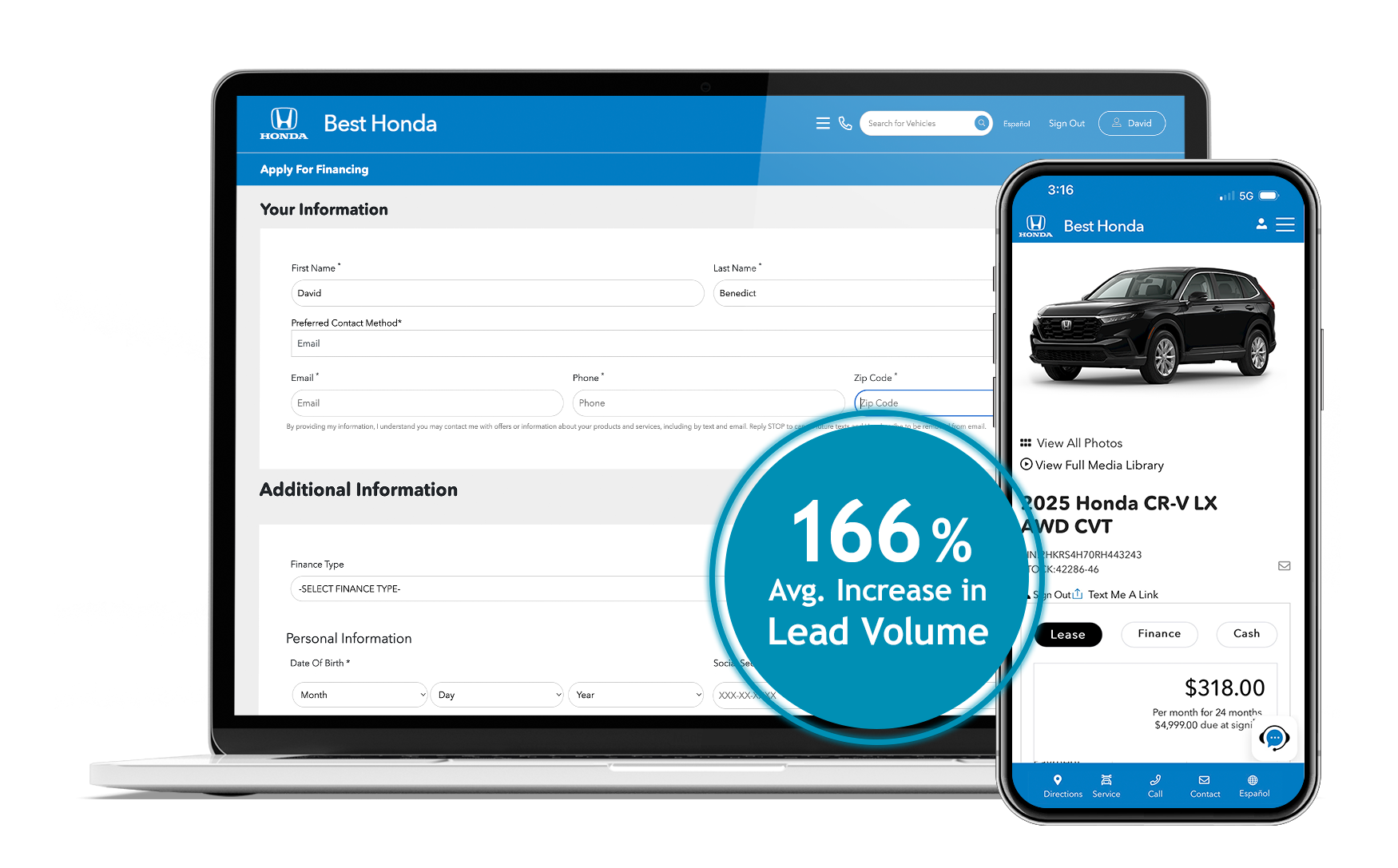
- 30% increase in sales and service leads reported by early adopters of the upgraded Apollo AssistantAI.
- Customer engagement on the site jumping from an average of 12 to 27 interactions per visit.
- 27% higher showroom appointment rate and a 24% increase in customer repurchase rates reported by third-party studies on advanced AI tools.
Experts in automotive digital retailing agree that the integration of advanced AI tools like Apollo AssistantAI is transforming dealership websites into dynamic, 24/7 sales assistants, significantly improving lead generation and customer engagement while reducing operational friction.
WASHINGTON – March 02, 2026 – A major upgrade in automotive digital retail technology is promising to transform dealership websites from static online brochures into dynamic, 24/7 sales and service assistants. Team Velocity, an automotive technology company, has launched a significant enhancement to its Apollo AssistantAI, an artificial intelligence tool designed to move beyond simple chat functions and engage customers in real-time transactions, driving what early adopters report as a dramatic increase in qualified leads.
The upgraded system, which is embedded directly into the company’s Apollo platform for dealer websites, aims to address a core challenge in the evolving digital car-buying journey: friction. By replacing traditional lead forms and disconnected chat widgets with a sophisticated conversational AI, the company is betting that a smoother, more integrated online experience will convert more web traffic into tangible business.
Beyond the Chatbot: A Shift to Transactional AI
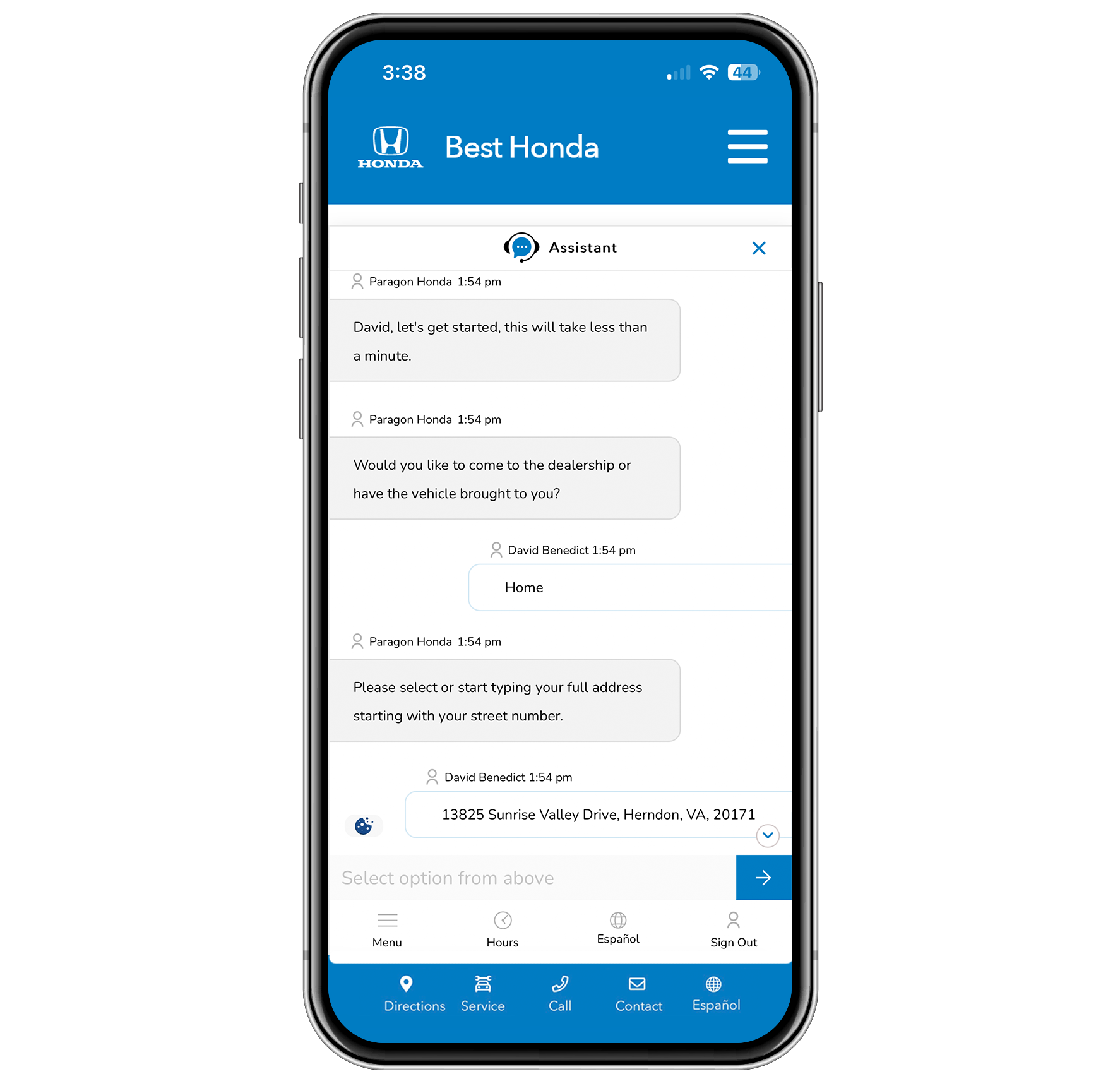
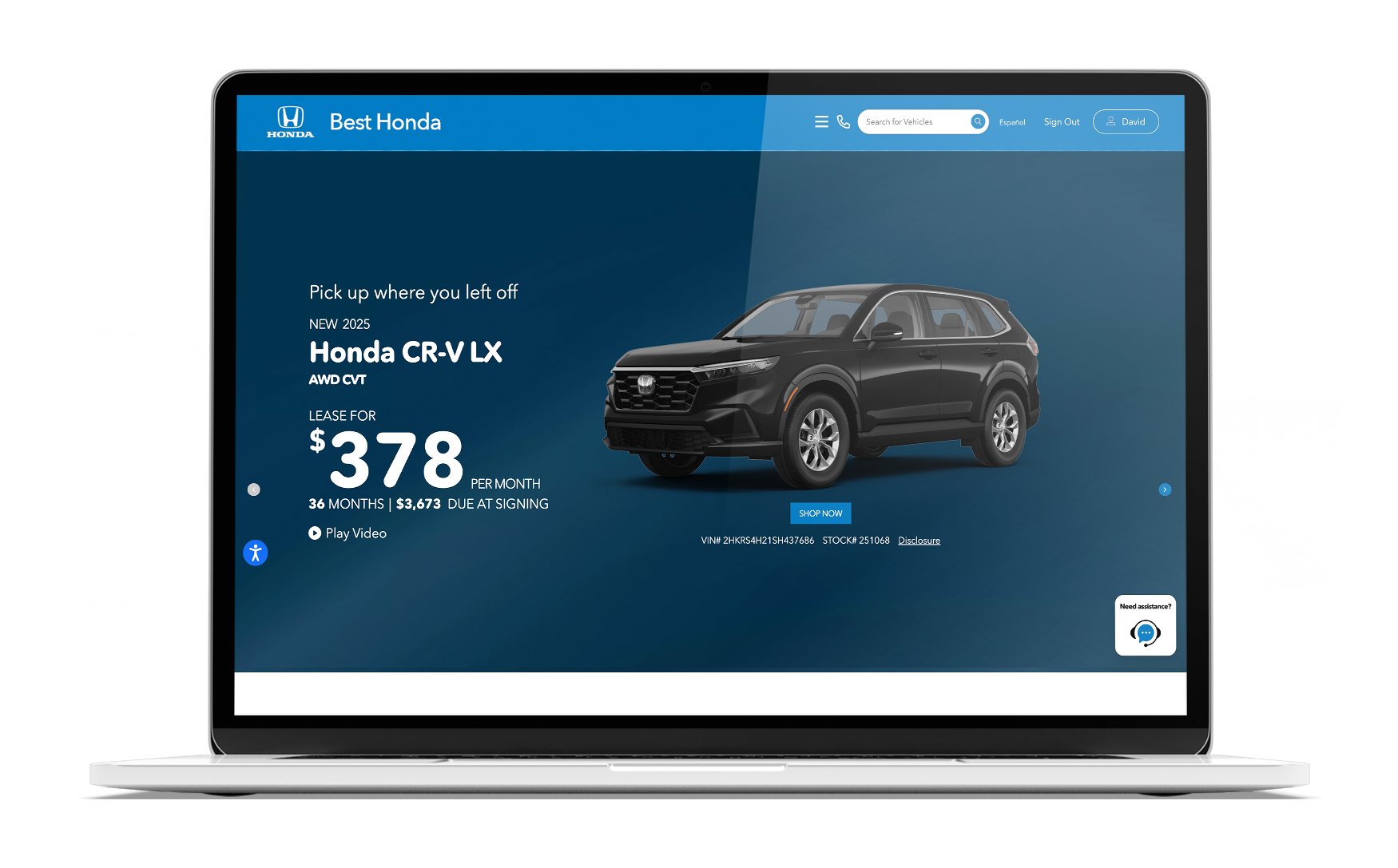
For years, chatbots have been a common sight on dealership websites, offering to answer basic questions or capture a visitor’s contact information. However, the newly upgraded Apollo AssistantAI represents a significant evolution. Powered by Google’s Gemini AI, the tool uses natural language and voice commands to guide shoppers through complex dealership workflows directly within the website, a process the company calls “in-session” transaction completion.
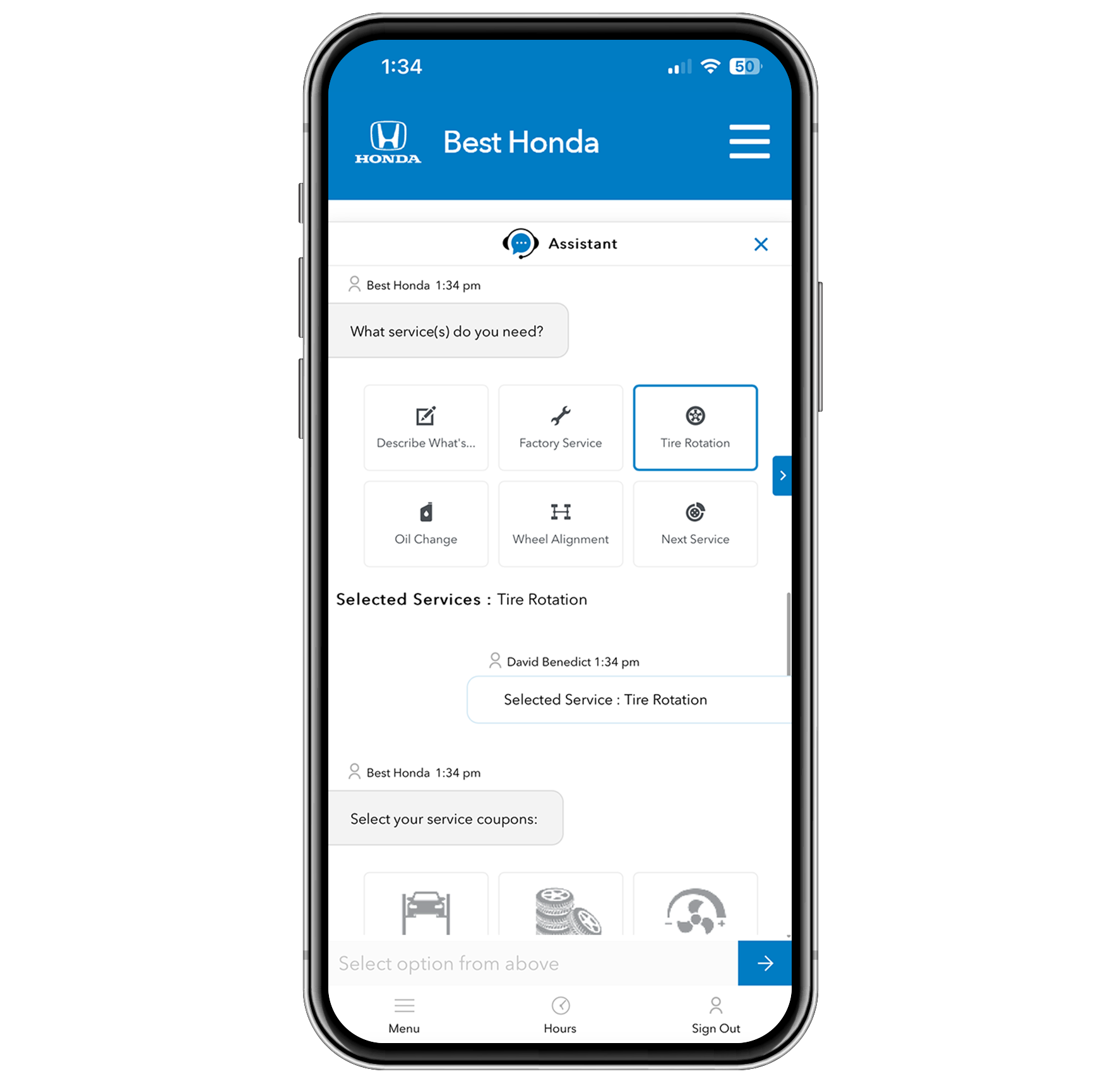
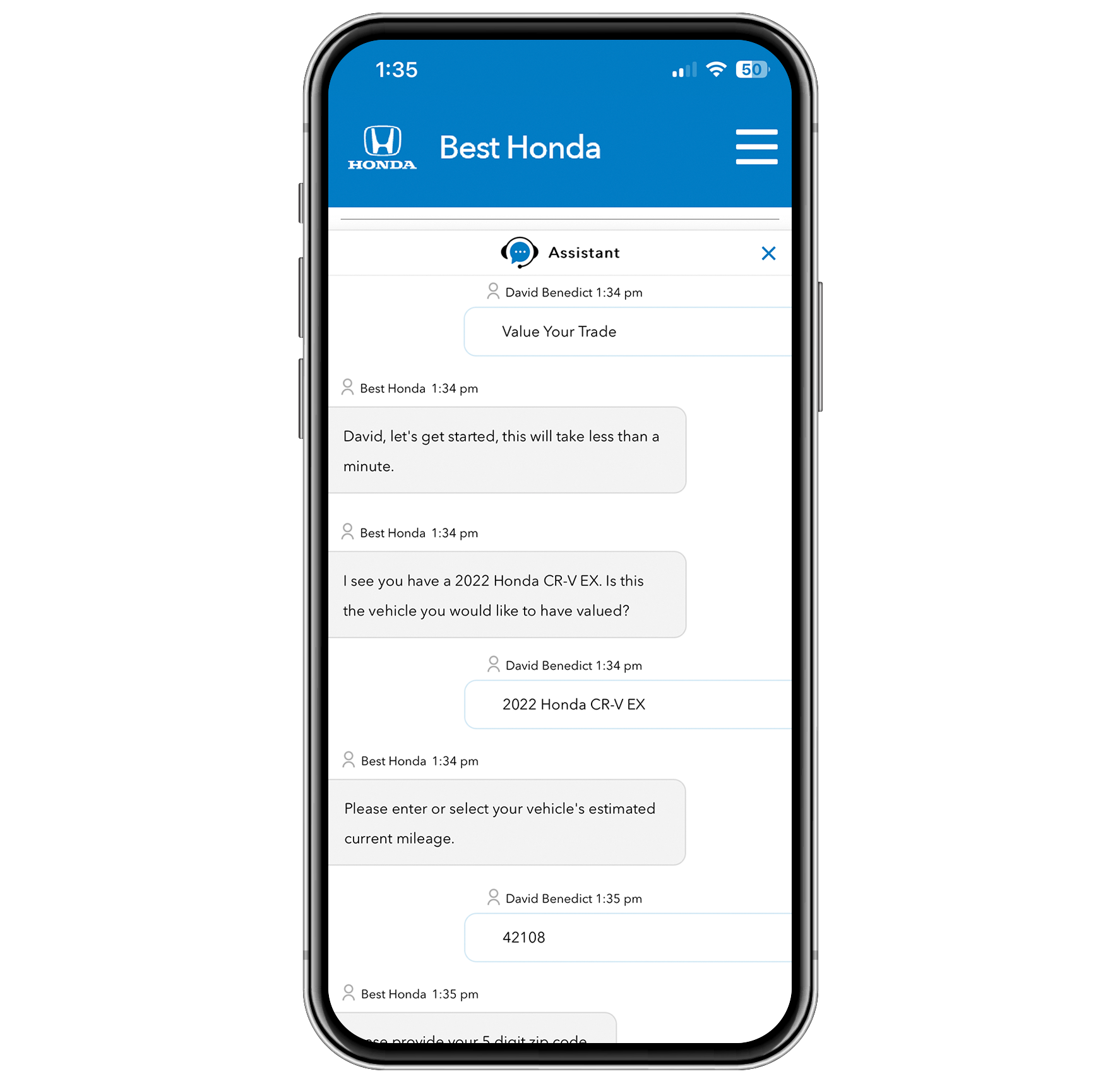
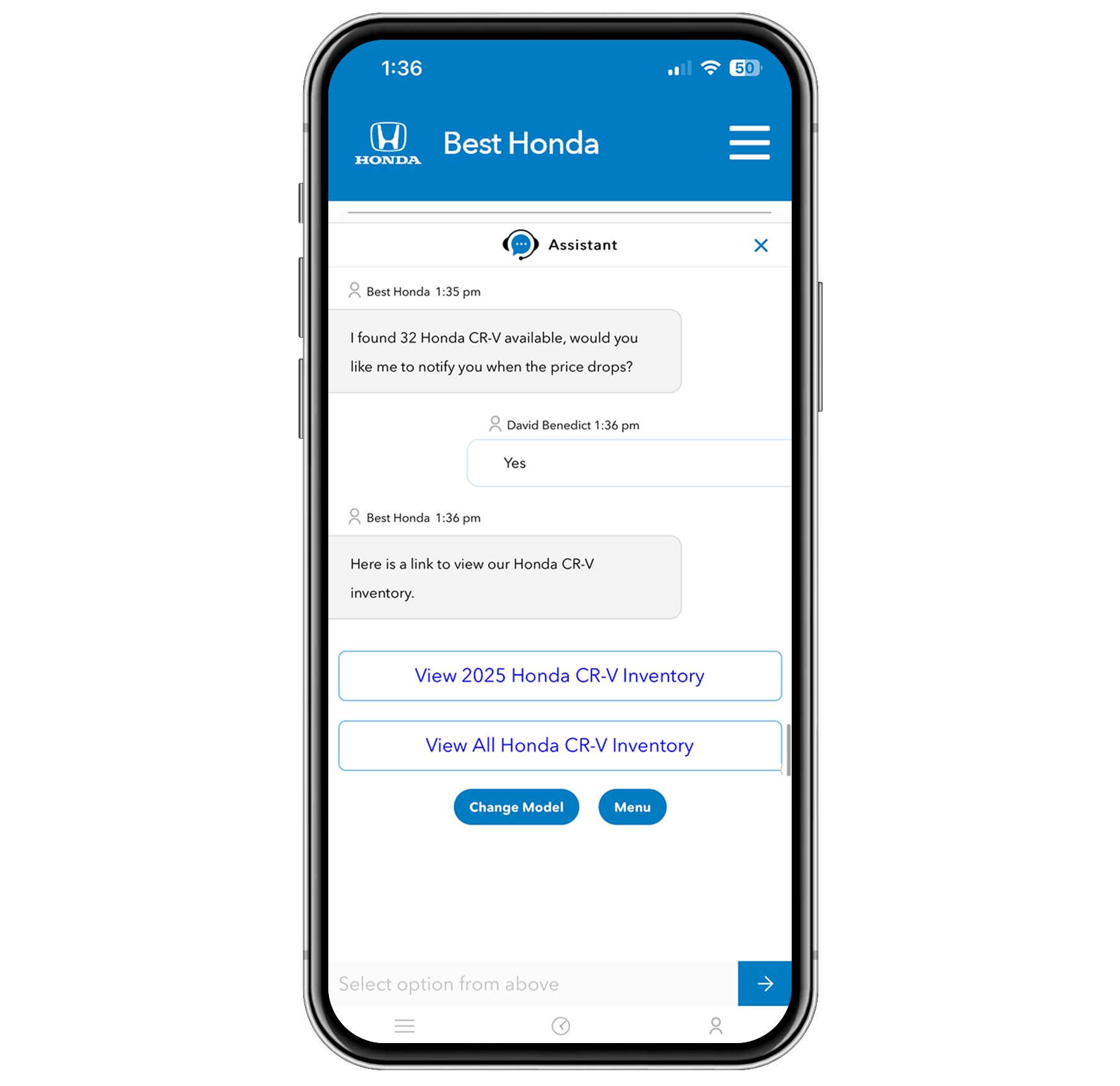
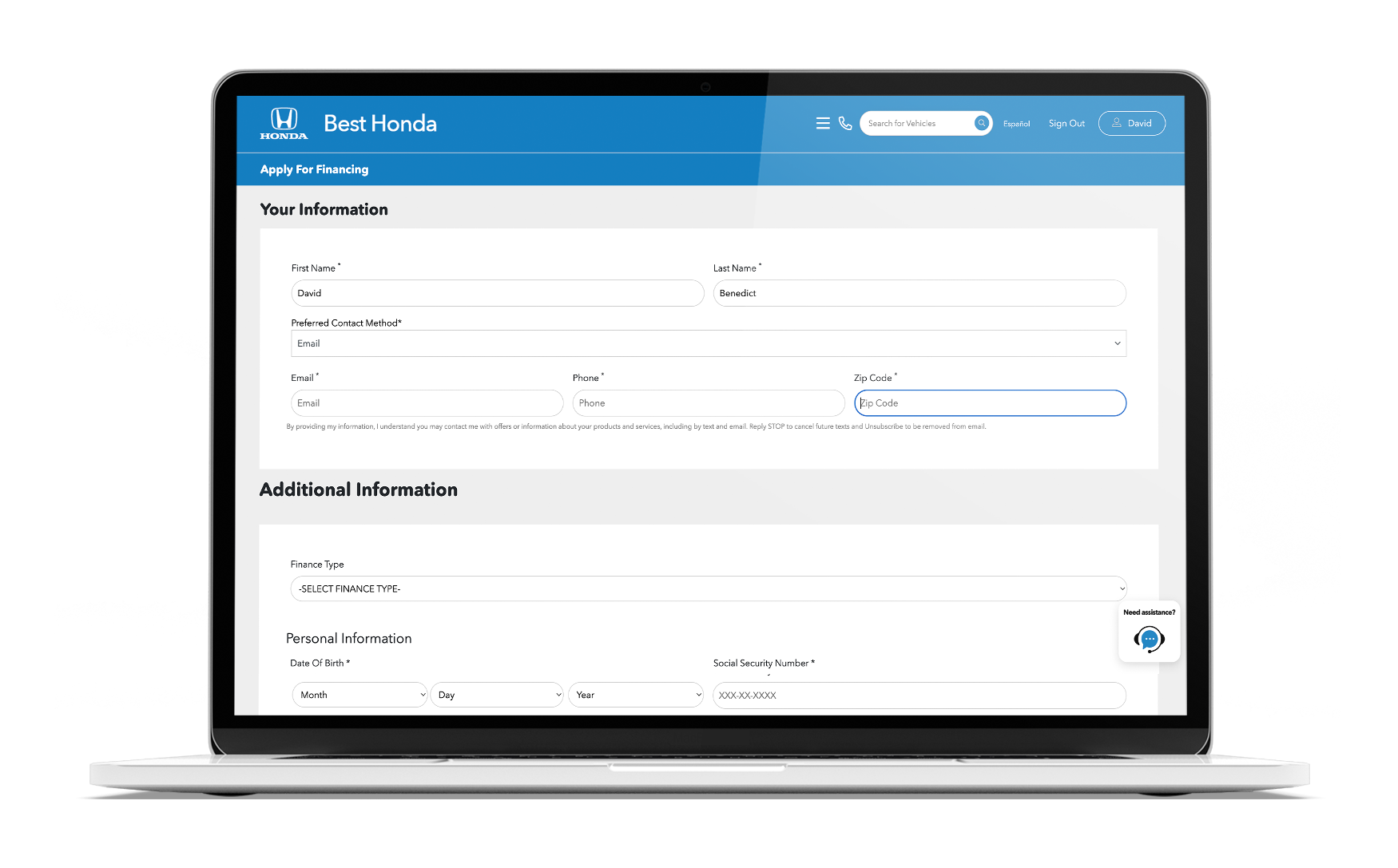
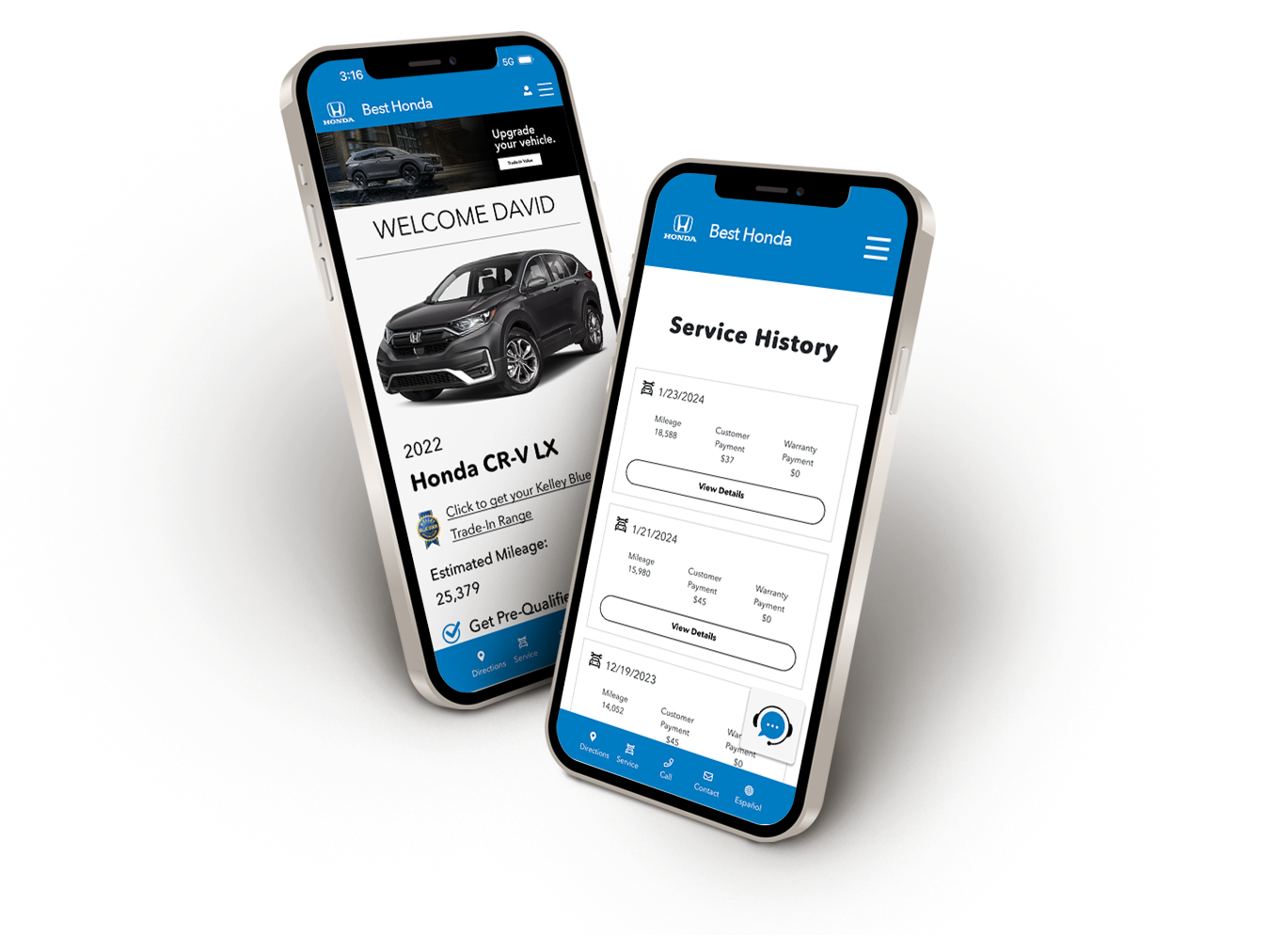
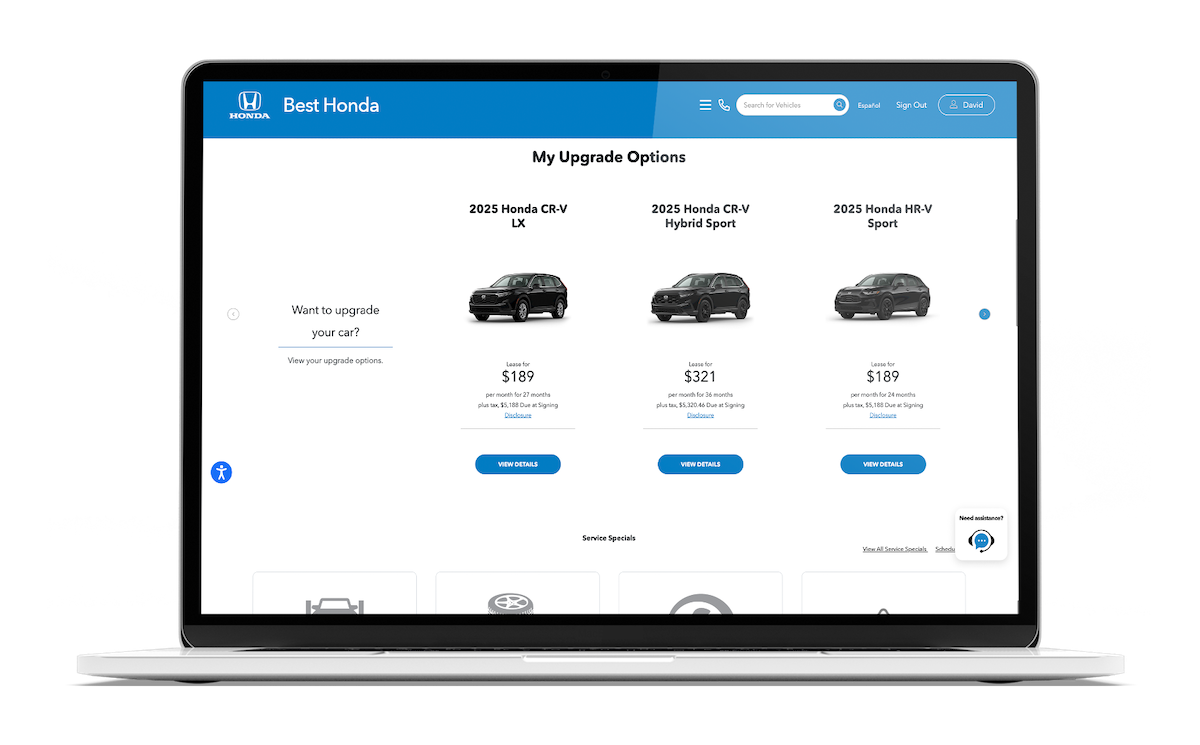
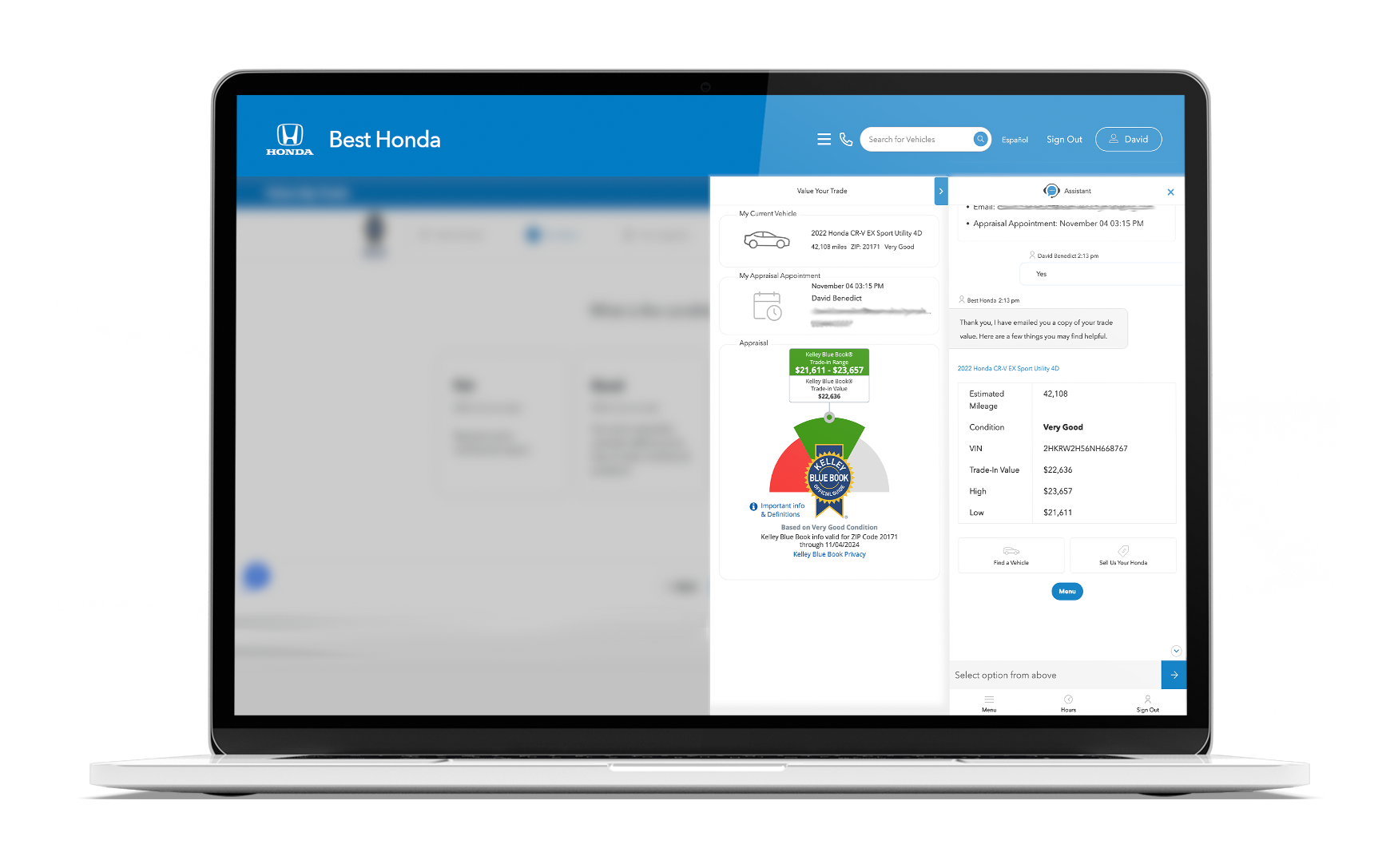
This means a potential customer can schedule a service appointment, get a real-time valuation for their trade-in, explore financing options, search vehicle inventory, and access specific dealer offers without ever leaving the page or filling out a multi-step form. This shift from passive lead capture to active transaction support is at the heart of the upgrade.
“This upgrade represents a meaningful shift in how dealership websites perform,” said David Boice, Co-Founder and CEO of Team Velocity, in a recent announcement. “Instead of slowing customers down with disconnected chat tools or forms, AssistantAI helps them move forward instantly. It transforms the dealership website into an always-on digital assistant that drives measurable growth and reflects where automotive retail is headed.”
This development aligns with broader industry trends. As consumers, conditioned by the seamless experiences of platforms like Amazon, increasingly expect to complete more of the car-buying process online, the pressure is on dealerships to provide a frictionless digital journey. The decline in physical dealership visits means the website has become the new primary showroom, and its ability to engage and convert is paramount.
The Competitive Edge of Native Integration
In a crowded market of AI tools and digital retailing platforms, Team Velocity is emphasizing its system’s native integration as a key differentiator. Unlike third-party widgets that are often bolted onto a website, the AssistantAI is built directly into the core Apollo platform. This architecture provides several crucial advantages.
“Because AssistantAI is built natively into Apollo, dealers gain performance, attribution, automation, and precision at the same time,” noted Joe High, the company’s Chief Product Officer. “We’re eliminating third-party friction and enabling real workflows to happen in-session, without sacrificing site speed, data quality, or user experience.”
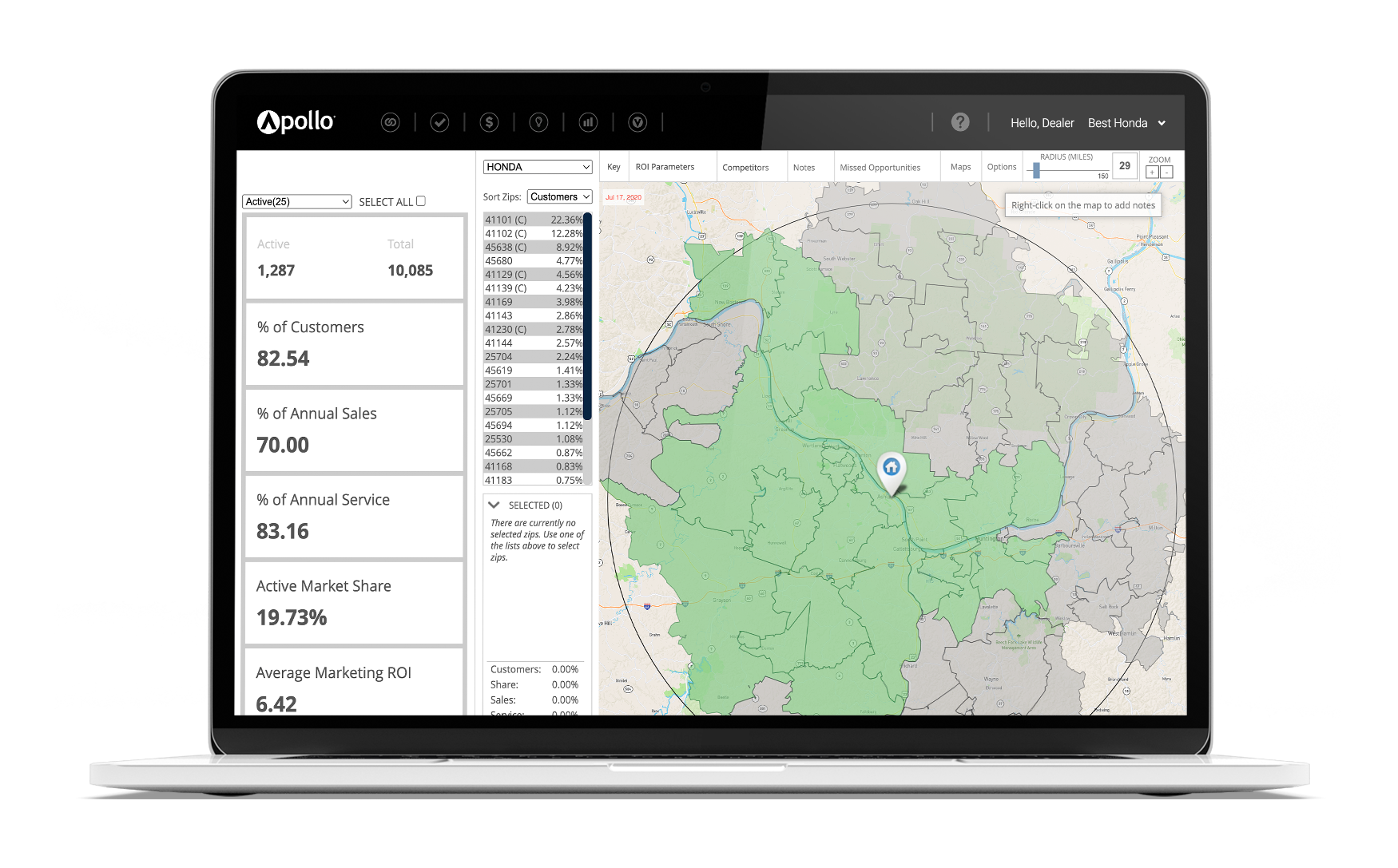
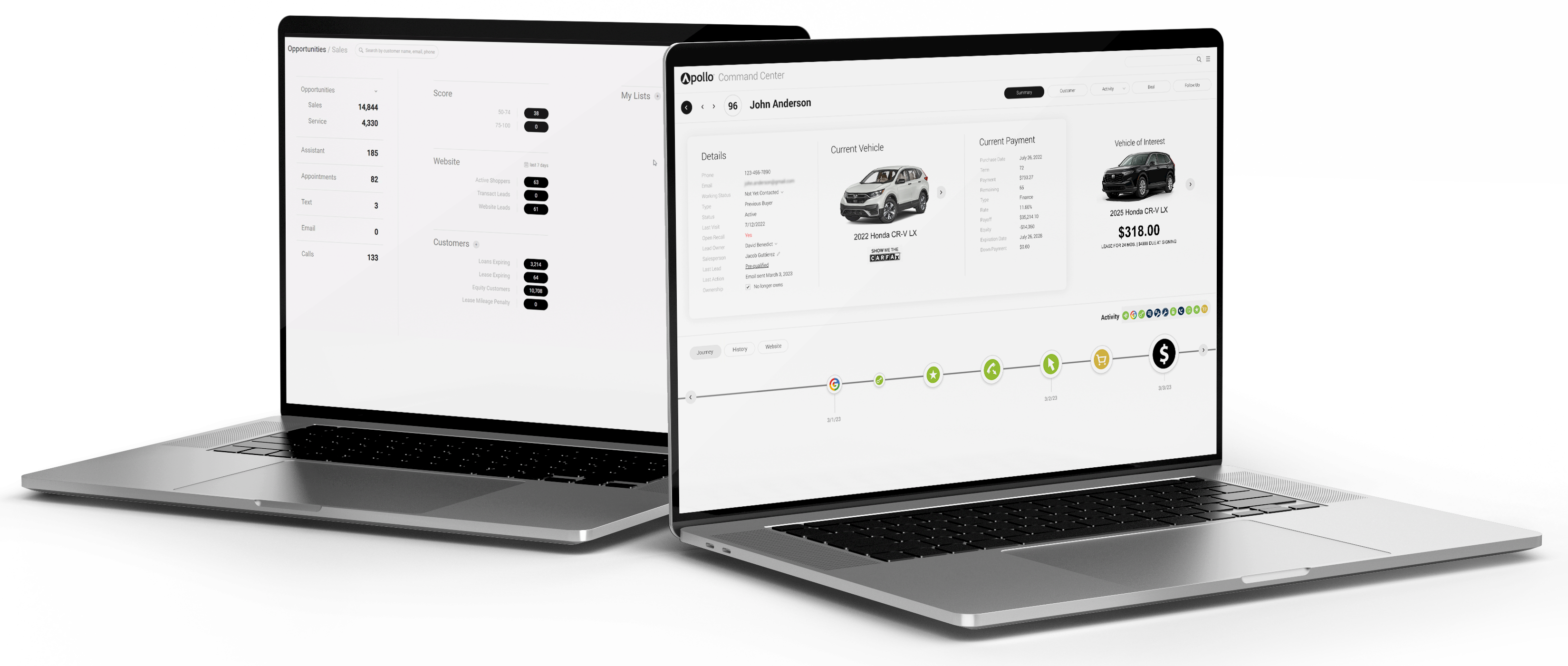
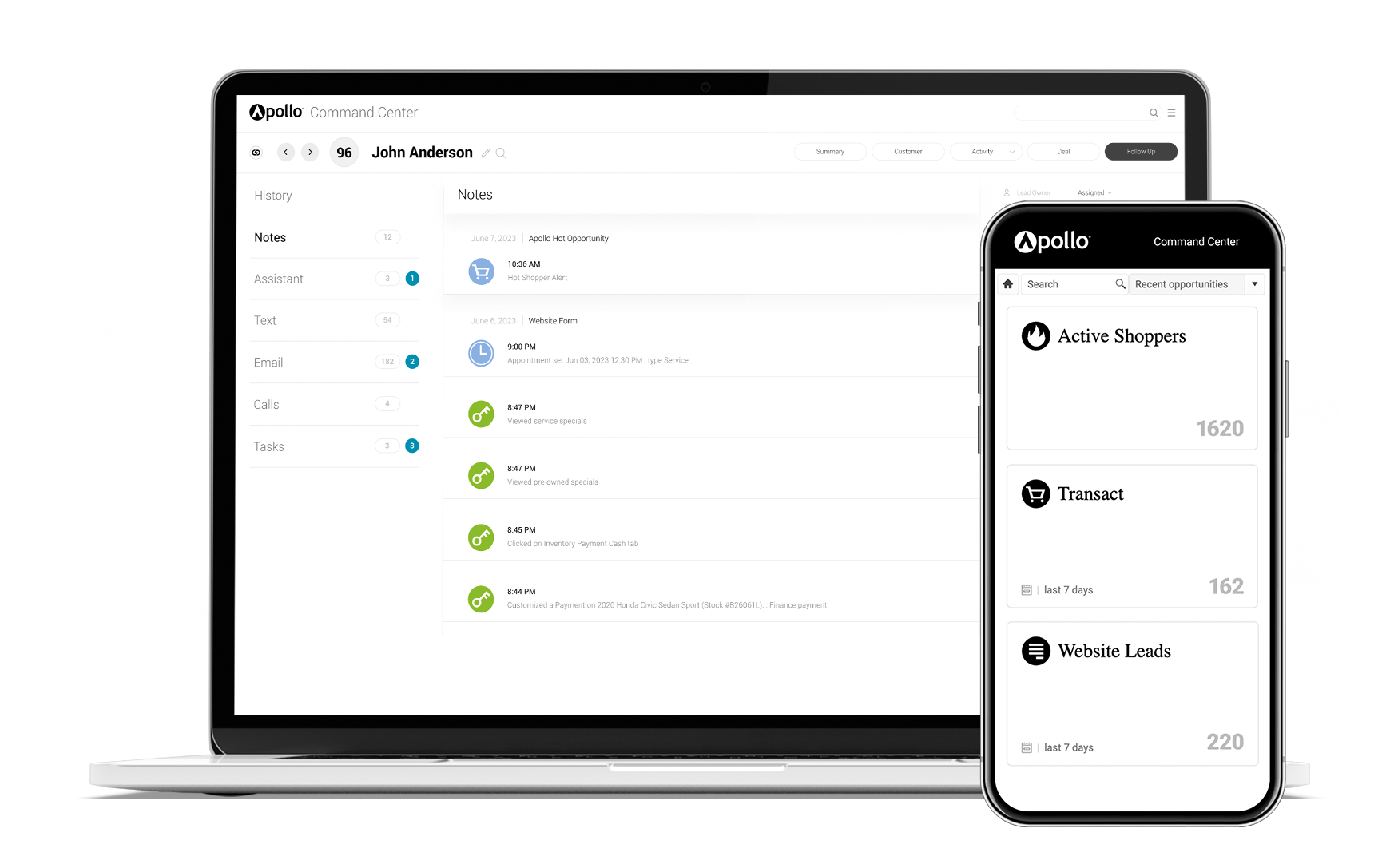
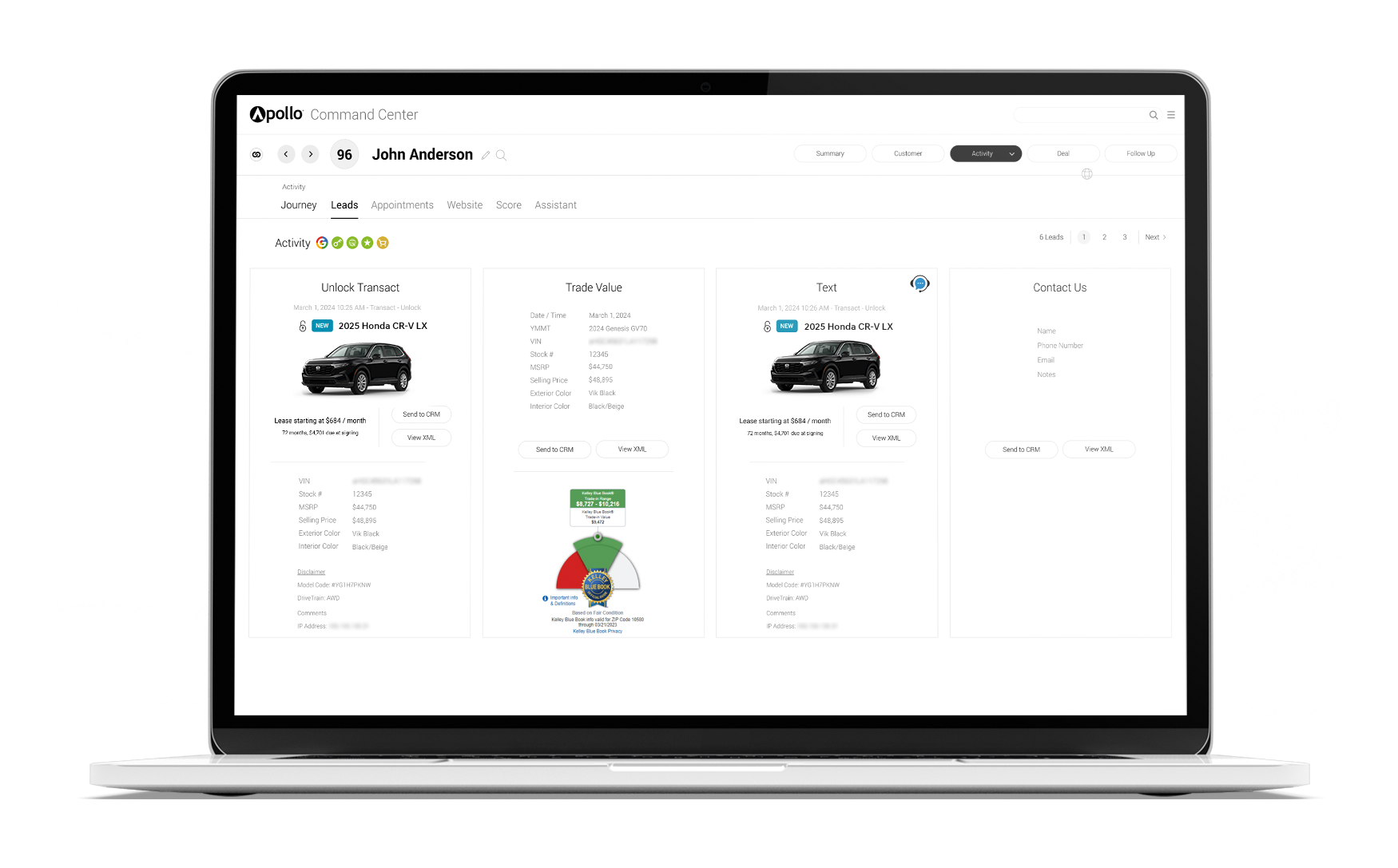
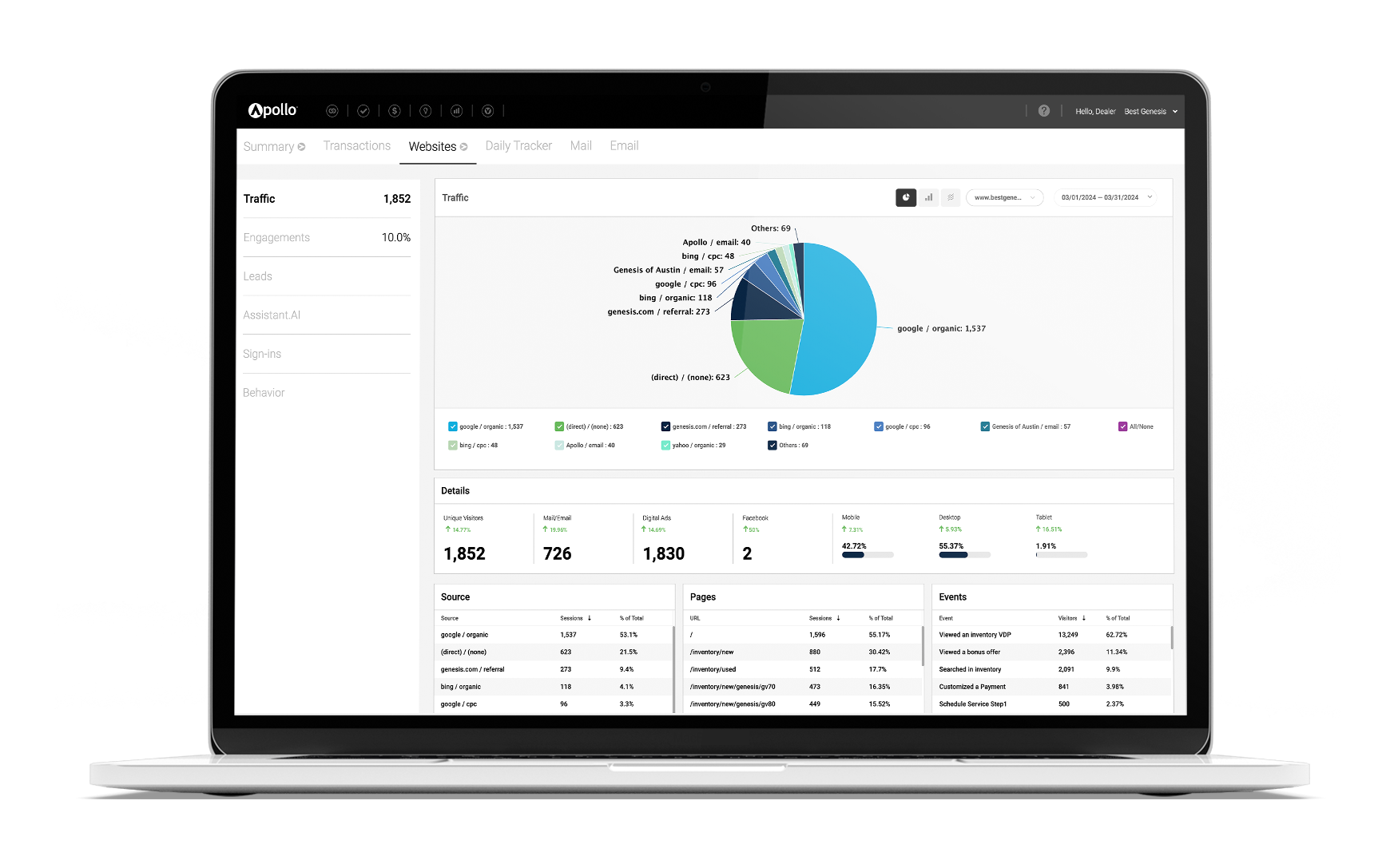
This elimination of third-party code can have a direct impact on a website’s performance. It often leads to faster page load times, which not only improves the user experience but also positively affects a site’s Core Web Vitals—a set of metrics Google uses to measure user experience and rank search results. Better performance and enhanced SEO can lead to more organic traffic, creating a virtuous cycle of visibility and engagement. Furthermore, all customer interactions are captured and synchronized within the Apollo Command Center, giving dealership managers a unified view of the customer journey and more accurate attribution for sales and marketing efforts.
The Tangible Impact on Dealership Operations
The ultimate measure of any new technology in the auto retail space is its impact on the bottom line. According to Team Velocity, early results from dealerships using the upgraded AssistantAI are compelling. The company reports that dealers are seeing up to a 30% increase in sales and service leads. Some stores have even reported that their lead volume has doubled, with customer engagement on the site jumping from an average of 12 to 27 interactions per visit.
While these figures come from the company’s internal reporting, they are consistent with wider industry data on the impact of AI. Third-party studies have shown that advanced AI tools can deliver substantial returns, with some dealerships achieving a 27% higher showroom appointment rate and a 24% increase in customer repurchase rates after implementation. One of the most significant benefits for dealerships is the potential for increased lead volume without a corresponding increase in staff or operational complexity.
By automating routine inquiries and complex workflows, the AI can handle hundreds of customer interactions daily, qualifying leads and scheduling appointments around the clock. This frees up human sales and service staff to focus on high-value interactions and closing deals, rather than managing preliminary information gathering. Case studies from the broader Apollo platform, such as that of Coral Springs Honda which became a top dealer in the country after implementation, showcase the potential for integrated tech platforms to drive efficiency and sales growth.
Navigating the Promises and Perils of Advanced AI
The decision to power the AssistantAI with Google’s advanced Gemini model highlights a commitment to providing a more human-like and capable conversational experience. This level of sophistication is necessary to handle the nuances of automotive transactions. However, the integration of such powerful AI also brings to the forefront the critical industry-wide conversations around data privacy and security.
Large language models like Gemini are trained on vast amounts of data, and their use in a commercial setting requires stringent safeguards to protect sensitive customer information. Dealerships handle a wealth of personal data, from driver’s licenses to financial details, making data security a non-negotiable priority. As these AI systems become more integrated with personal data to provide tailored experiences, the responsibility for transparent data handling and robust security protocols falls on both the technology provider and the dealership.
The automotive industry is learning that generic, off-the-shelf AI solutions can pose risks if not properly configured for the industry’s specific compliance and workflow requirements. The move toward specialized, deeply integrated platforms like Apollo AssistantAI signals a maturation of the market, where the focus is not just on the technology itself, but on its safe and effective application within the complex ecosystem of automotive retail.
Source: BriefGlance